

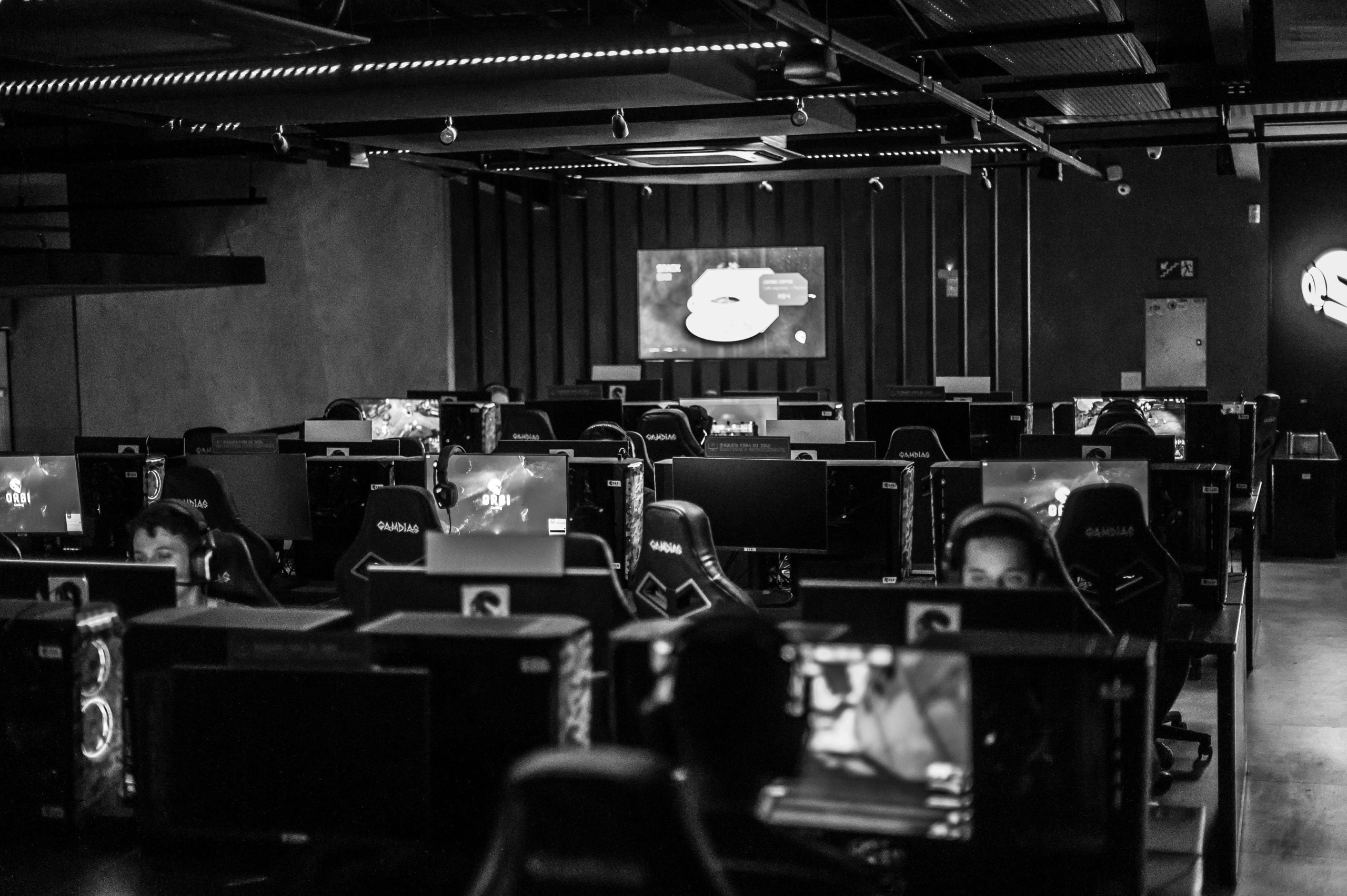
Have you noticed how online games grow fastest when players start acting like neighbors, coaches, and event hosts? The social energy around online gaming is a major reason play has moved from a private hobby into a shared daily habit.
Communities give players reasons to return beyond scores, rewards, or graphics. A strong group can teach new players, create local traditions, solve problems, and turn short play sessions into lasting routines.
Online gaming expands because people make it feel alive. Chat groups, teams, fan spaces, tournaments, and shared jokes all help players feel connected to something active and familiar.
Player Groups Turn Games Into Social Spaces
Community activity gives online games a social structure that keeps players connected.
Shared Routines Build Momentum
Players often log in because friends are already there, not because a timer tells them to. Scheduled matches, weekly challenges, and group practice sessions create a rhythm that makes gaming part of normal life.
These routines also reduce the effort needed to start playing. A player who knows a group meets every Friday has a clear reason to return, which helps online games maintain active populations over time.
Language Creates Belonging
Gaming communities create their own phrases, jokes, and shortcuts. Shared language helps players identify who understands the culture, and that sense of recognition makes group spaces feel welcoming.
Even niche references can work as social signals; a phrase like slot dewa66 may appear in chats as part of a wider habit of sharing gaming terms, links, and recommendations within trusted circles.
Trust Helps New Players Stay Longer
New players are more likely to stay when experienced players make the first steps easier.
Peer Teaching Lowers Friction
Online games can be confusing during the first hour, especially when rules, controls, or social norms are unclear. Community members often fill that gap by answering questions, explaining common mistakes, and helping beginners avoid frustration.
This support matters because early confusion can cause players to quit before they understand the fun. A friendly explanation from another player can turn a difficult first session into a reason to keep learning.
Reputation Keeps Spaces Stable
Communities also create informal accountability. Players who treat others well earn trust, while disruptive behavior is often noticed quickly in active groups.
Stable social spaces make online games easier to enjoy across skill levels. Beginners feel safer asking questions, regular players feel respected, and group leaders can guide the tone without relying only on formal rules.
Community Events Give Games A Shared Clock
Events help groups move together instead of playing in isolated sessions.
Small Gatherings Create Big Activity
Not every event needs a large audience to matter. A small tournament, a weekend challenge, or a themed match can bring inactive players back because it gives them a specific moment to join.
Shared timing is valuable because online gaming often competes with work, school, and family schedules. A planned event removes uncertainty and gives players a reason to coordinate their free time.
Player Led Formats Keep Things Fresh
Community organizers often create custom rules that change how a familiar game feels. Limited equipment matches, beginner friendly nights, and team swap formats can make old content feel active again without changing the game itself.
These player led formats support expansion by giving different skill levels a place to participate. Competitive players get structure, casual players get variety, and newcomers get a clear entry point.
Shared Knowledge Keeps Gaming Cultures Active
Information moves quickly through gaming communities, and that flow helps players make better choices.
Tips Travel Through Trusted Channels
Players often trust advice from people they know more than random posts. A teammate explaining strategy during a match can make information easier to apply because the advice is tied to a real situation.
Community knowledge also helps players compare options without feeling lost. Search phrases such as slot gacor hari ini show how players use shared terms to track trends, discuss timing, and exchange observations in familiar language.
Feedback Shapes Better Play Habits
Group feedback helps players notice patterns they might miss alone. A teammate may point out poor timing, risky decisions, or better resource use in a way that improves the next session.
This kind of learning strengthens commitment because progress feels visible. Players who feel themselves improving are more likely to stay active, invite friends, and contribute to the group.
Positive Culture Supports Long Term Expansion
Healthy community habits make online gaming more durable and easier to join.
Respect Keeps Groups Open
Communities grow best when skilled players respect beginners and casual players. Clear expectations around fair play, patience, and communication help people feel comfortable returning after mistakes.
An open culture also broadens participation. Players with different schedules, skill levels, and goals can share the same space when the group values cooperation over constant pressure.
Community Energy Turns Players Into Contributors
Players often become contributors when they feel ownership of a group. They may host matches, explain rules, welcome newcomers, record results, or maintain chat spaces that keep the community active.
This contribution cycle is a key reason online gaming keeps expanding. Games provide the structure, but communities provide the daily energy that turns play into connection, learning, and long term participation.

Heather Neves is working as a freelance content writer. She likes blogging on topics related to parenting, golf, and fitness, gaming . She graduated with honors from Columbia University with a dual degree in Accountancy and Creative Writing.