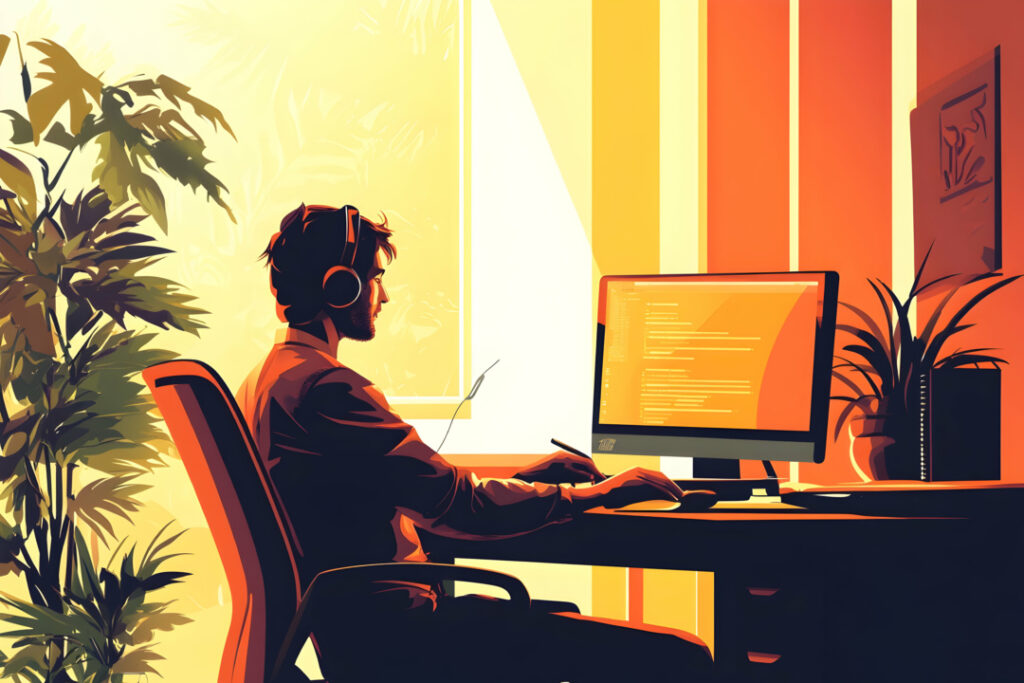
In the last few years, the definition of an “office” has undergone a radical transformation. As a writer who has spent the last 1.5 years navigating the shifts in digital workspace trends, I’ve seen firsthand how the right tools can bridge the gap between a dining room table and a high-performance corporate workstation.
Efficiency today isn’t just about how fast you work; it’s about where and how you can access your resources. Whether you are a system administrator managing a fleet of servers or a creative professional needing to tap into a high-powered desktop from a lightweight laptop, the technology behind the screen makes all the difference.
The Power of Seamless Integration
The core of modern flexibility lies in remote desktop technology. Gone are the days when being away from your desk meant a total halt in productivity. Current solutions focus on low latency, high security, and an intuitive user interface that feels as though you are sitting right in front of your primary machine.
For businesses, this transition isn’t just a perk—it’s a strategy. It allows for:
- Global Talent Acquisition: Hiring the best minds regardless of their physical zip code.
- Reduced Overhead: Minimizing the need for massive physical office footprints.
- Business Continuity: Ensuring that even if the office is inaccessible, the work remains uninterrupted.
Security in a Borderless World
One of the biggest hurdles for any remote setup is the “security tax.” Often, the more accessible a system is, the more vulnerable it becomes. However, the latest iterations of remote software have pivoted to a “security-first” mindset. Features like end-to-end encryption, multi-factor authentication (MFA), and granular permission settings ensure that while your data is accessible to you, it remains a fortress against unauthorized intruders.
When you choose a platform, you aren’t just looking for a video stream of your desktop; you’re looking for a secure tunnel that protects your intellectual property.
Why Performance Matters
As someone who writes and manages content daily, I know that even a half-second lag can break a “flow state.” If the mouse cursor stutters or the screen resolution drops, the mental connection to the task is severed.
Modern remote solutions have optimized their codecs to handle high-definition visuals and rapid inputs. This is crucial for industries like:
- Software Development: Coding and compiling on powerful remote environments.
- Graphic Design: Handling large files and color-accurate rendering without local hardware limitations.
- Customer Support: Accessing client machines quickly to resolve technical debt.
Getting Started: A Direct Path to Productivity
If you are tired of the limitations of your current setup, it’s time to move toward a more robust architecture. You don’t need a degree in IT to set up a professional-grade remote environment anymore. Most platforms are now “plug-and-play,” designed to get you up and running in minutes rather than hours.
To experience this level of control and speed for yourself, you can download StarDesk remote and begin configuring your personalized digital workspace today.
Best Practices for Remote Work Success
To truly thrive using remote access, consider these three pillars of the “Remote Lifestyle”:
- Stable Infrastructure: While the software does the heavy lifting, a stable internet connection (preferably wired) ensures the lowest possible ping.
- Ergonomics: Just because you can work from anywhere doesn’t mean you should work from a couch. Invest in a setup that supports your posture as much as your software supports your workflow.
- Digital Hygiene: Regularly update your remote access software to ensure you have the latest security patches and performance enhancements.
Final Thoughts
The trend toward decentralization is not a temporary phase; it is the new baseline for the global economy. By leveraging high-performance remote access tools, individuals and enterprises alike can unlock levels of productivity that were previously tethered to a physical desk.
The ability to carry your entire workstation in your pocket—accessible from any device, anywhere in the world—is no longer a futuristic dream. It is a present-day necessity. As we move forward, those who master these digital tools will be the ones who lead the charge in the hybrid work era.

Sandra Larson is a writer with the personal blog at ElizabethanAuthor and an academic coach for students. Her main sphere of professional interest is the connection between AI and modern study techniques. Sandra believes that digital tools are a way to a better future in the education system.