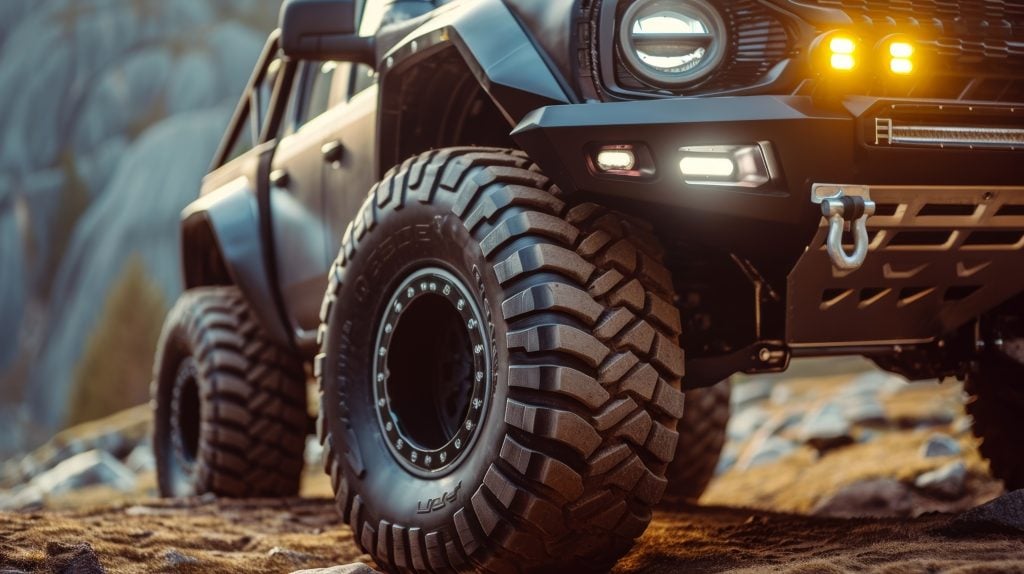
Pickup trucks have long been known for their toughness, capability, and versatility. Over the years, however, they have evolved into something far more sophisticated. Today’s trucks blend traditional strength with advanced digital systems, intelligent safety features, and seamless connectivity. This transformation has made them more efficient, comfortable, and adaptable than ever before. For drivers researching options like F150 for sale kansas city, understanding how Ford truck technology has evolved offers valuable insight into what modern pickups can deliver.
From Mechanical Workhorses to Smart Machines
Ford trucks were once defined primarily by raw power, towing capacity, and durability. While those qualities remain essential, technology has expanded what a pickup can do. Modern Ford trucks now serve as mobile offices, family vehicles, jobsite power sources, and advanced towing machines.
The shift began with electronic engine management and onboard diagnostics. These innovations improved reliability, fuel efficiency, and performance. Over time, Ford integrated increasingly sophisticated software, sensors, and connectivity systems that transformed the driving experience.
The Rise of Connected Vehicle Technology
Connected technology has become one of the most significant developments in Ford truck design. Modern Ford pickups are equipped with systems that allow drivers to interact with their vehicles through smartphones, cloud-based services, and in-vehicle interfaces.
Through the FordPass app, owners can remotely start the engine, lock or unlock doors, monitor fuel levels, and check vehicle health. This level of connectivity adds convenience while helping drivers stay informed about maintenance needs and vehicle status.
Many models also support over-the-air software updates, allowing Ford to improve system functionality, enhance performance, and add features without requiring a dealership visit.
Smarter Infotainment for Everyday Convenience
Infotainment systems have evolved dramatically in recent years. Ford’s SYNC platform has become a central hub for communication, entertainment, and navigation.
Large touchscreen displays provide intuitive access to navigation, music, voice controls, and smartphone integration through Apple CarPlay and Android Auto. Wireless connectivity has further simplified the user experience by reducing cable clutter and streamlining access to apps and media.
For drivers who spend significant time on the road, these systems create a more connected and productive environment.
Advanced Driver Assistance Systems
Safety technology has seen some of the most impressive advancements in Ford trucks. Modern models feature a suite of driver-assistance technologies designed to improve awareness and reduce the risk of accidents.
Features such as automatic emergency braking, blind-spot monitoring, lane-keeping assistance, and adaptive cruise control provide additional support during daily driving. Ford’s Co-Pilot360 system integrates these tools into a unified safety package.
Some models also offer BlueCruise, a hands-free highway driving system that can assist with steering, braking, and acceleration on approved roadways. This technology represents a major step toward more automated driving.
Towing Technology That Simplifies Heavy Hauling
Towing has always been a core strength of Ford trucks, but modern technology has made it easier and safer than ever. Advanced towing systems help drivers manage trailers with greater confidence.
Features like Pro Trailer Backup Assist allow drivers to steer a trailer using a simple control knob. Trailer Reverse Guidance uses cameras and visual overlays to make backing up easier. Smart trailer monitoring systems can track tire pressure, lighting, and battery status.
These innovations reduce stress, improve safety, and make towing more accessible, even for less experienced drivers.
Pro Power Onboard: A Mobile Energy Source
One of Ford’s most innovative recent features is Pro Power Onboard. This integrated generator system turns the truck into a portable power source.
Depending on the model and powertrain, drivers can access enough electricity to run tools, appliances, or recreational equipment directly from the truck. This feature is especially valuable for contractors, outdoor enthusiasts, and anyone working in remote locations.
It demonstrates how Ford trucks are evolving beyond transportation to become highly versatile productivity tools.
Digital Displays and Customizable Interfaces
Modern Ford trucks now feature fully digital instrument clusters that provide customizable information displays. Drivers can prioritize the data most relevant to their needs, including navigation, towing metrics, fuel economy, and safety alerts.
Head-up displays in select models project critical information directly onto the windshield, helping drivers keep their eyes on the road. These systems improve convenience while reducing distraction.
The result is a more intuitive and driver-focused cockpit experience.
Enhanced Powertrain Innovation
Ford’s technological evolution extends beyond electronics. Powertrain innovation has also played a major role in modern truck development.
EcoBoost engines combine turbocharging with direct injection to deliver strong performance while improving efficiency. Hybrid powertrains, such as the PowerBoost system, add electric assistance for greater torque, enhanced fuel economy, and expanded functionality.
These advancements allow drivers to enjoy both capability and efficiency without sacrificing performance.
Over-the-Air Updates and Software Evolution
Unlike traditional vehicles that remain largely unchanged after purchase, modern Ford trucks can continue to improve over time. Over-the-air updates enable Ford to refine software, enhance features, and address system issues remotely.
This software-driven approach helps extend the value of the vehicle. It also allows Ford to introduce new capabilities and improve existing ones as technology evolves.
For drivers, this means their truck can remain current long after it leaves the factory.
The Future of Ford Truck Technology
Ford continues to invest heavily in electrification, automation, and connectivity. Future trucks are expected to feature even more advanced driver-assistance systems, expanded vehicle-to-device integration, and enhanced energy management.
Electric models like the F-150 Lightning demonstrate how Ford is blending traditional truck capability with cutting-edge electric technology. As battery technology improves, electric trucks will likely become even more practical for a wider range of drivers.
Artificial intelligence, predictive maintenance, and smarter connected ecosystems will further shape the next generation of Ford pickups.
Conclusion
The evolution of Ford truck technology reflects a broader transformation in the automotive industry. Today’s Ford trucks are far more than capable work vehicles. They are intelligent, connected, and highly adaptable machines designed to meet the needs of modern drivers. From advanced safety systems and smart towing tools to over-the-air updates and onboard power generation, Ford continues to redefine what a pickup truck can be. As technology advances, Ford trucks will remain at the forefront of innovation, delivering greater convenience, capability, and confidence for drivers everywhere.

Robert Griffith is a content and essay writer. He is collaborating with local magazines and newspapers. Robert is interested in topics such as marketing and history.