Key Takeaways
- Autonomous vehicles are being tested and deployed across diverse urban settings, driven by industry leaders such as Waymo and Zoox.
- Regulatory, technological, and societal challenges must be addressed for widespread adoption.
- Potential benefits include reduced traffic, lower emissions, and increased safety on city streets.
Autonomous vehicles (AVs) are rapidly transforming urban transportation, promising enhanced safety, efficiency, and accessibility for city dwellers. With technology advancing quickly, cities are adapting by exploring how these innovative vehicles might reshape their infrastructure and daily life. Major players like Waymo are already deploying AVs in select cities. At the same time, the emergence of new services such as Zoox’s robotaxi in Las Vegas highlights the rapid pace of development and growing acceptance of this technology.
The integration of AVs is not only about people’s movement. It is also about addressing critical urban challenges such as congestion, pollution, and road safety. As more urban centers witness live AV deployments, the conversation is shifting from speculation to practical experiences, with both opportunities and complexities emerging along the way.
Urban planners, regulators, and technology companies are working together to navigate the evolving landscape. Understanding current developments and future directions is crucial for stakeholders, from policymakers to citizens, who will ultimately share the roads with these intelligent vehicles.
With public pilot programs underway in several major U.S. cities, the road to a self-driving future is being paved carefully and collaboratively. However, hurdles remain, including regulatory uncertainties, technological challenges, and earning public trust.
Current Developments in Autonomous Urban Mobility
Several technology companies have begun expanding autonomous vehicle tests and services in cities across the United States. Waymo, for example, operates commercial robotaxi services in cities like San Francisco, Phoenix, Los Angeles, and recently announced readiness for Boston’s dynamic roads. The expansion to new locations reflects growing confidence in the control and reliability of AVs, even in the most complex urban environments.
Other companies, including Zoox, are pursuing deployments in high-demand areas and piloting fully driverless experiences for the public. The concentration of projects in major cities demonstrates the eagerness of both companies and local governments to explore the transformative potential of AVs. Concurrently, public awareness and curiosity are rising, as residents encounter and interact with AVs on city streets.
As pilots expand, cities are looking for frameworks to measure success, tracking factors such as decreased traffic fatalities, improved mobility for underserved populations, or shifts in commute times. Data collection has become vital for informing city planners and guiding decisions about future infrastructure investments that complement AV technologies.
Technological Advancements Driving Progress
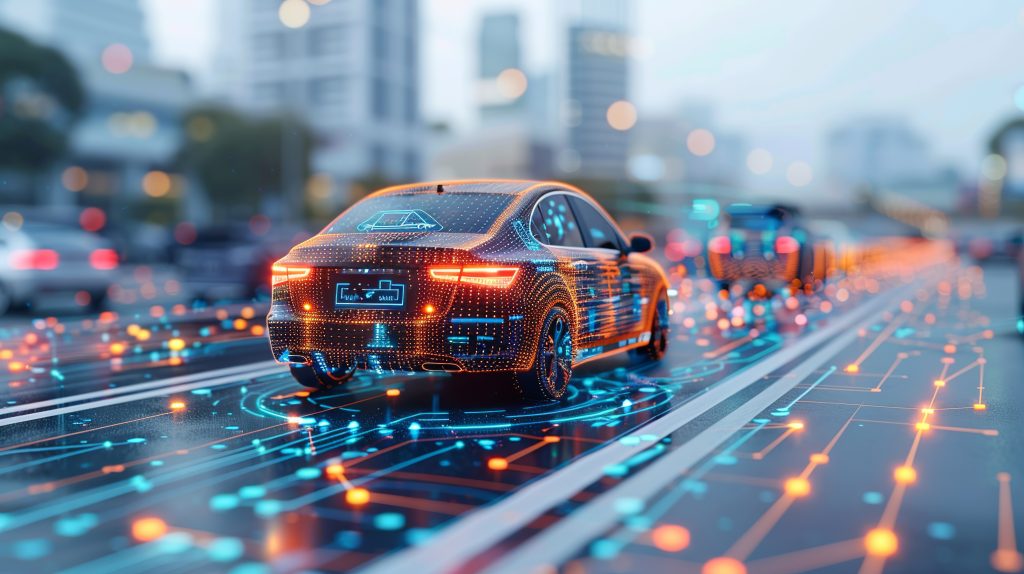
AVs rely heavily on a combination of advanced artificial intelligence (AI), machine learning, and sensor technologies. Recent demonstrations by companies like Nvidia have featured vehicles equipped with deep learning algorithms and cutting-edge sensor suites. These systems can analyze and respond to a wide range of urban scenarios, including unpredictable pedestrian movements and the complexity of multi-lane traffic at urban intersections.
Software and hardware improvements in perception, navigation, and real-time data processing have been pivotal. AVs are trained to understand not just other vehicles, but also changing road conditions, bicyclists, and sudden roadwork detours. According to a report by The New York Times, ongoing advances are narrowing the gap between experimental technology and everyday usability, catalyzing more cities to participate in large-scale AV pilots.
Cloud-based connectivity and over-the-air software updates are increasingly important, allowing AVs to receive the latest safety improvements without removing vehicles from the road. As a result, the timeline for deploying new AV features is shorter than ever, requiring robust cybersecurity measures to protect vehicles and the data they handle.
Regulatory and Public Acceptance Challenges
While technological capabilities have progressed rapidly, the regulatory and ethical landscape for AVs is still evolving. Urban areas like New York City have cautiously embraced autonomous vehicle trials, often requiring a human safety operator during road tests. These regulations are designed to prioritize safety, but also reflect lingering reservations regarding older people driving on public roads.
Public perception remains a critical hurdle. Transparent communication regarding safeguards, accident response protocols, and technological limitations is key to building trust. According to a Bloomberg article, public sentiment has steadily improved in cities with active AV services, yet concerns about data privacy, system malfunctions, and liability persist.
Community engagement initiatives, such as public forums, demonstration events, and online surveys, have proven effective for educating urban populations about AV capabilities and limitations. States and municipalities are also collaborating on standardized guidelines to ensure the responsible development and deployment of AVs.
Potential Benefits of Autonomous Vehicles in Cities
If integrated successfully, AVs could deliver transformative benefits for urban communities:
- Reduced Traffic Congestion:By optimizing routes and maintaining smooth speeds, AVs can help reduce rush-hour gridlock and improve the commuter experience.
- Lower Emissions:Ongoing technical breakthroughs and evolving regulatory conversations will shape the path to fully autonomous urban trans Safety: The elimination of human error, the leading cause of urban traffic accidents, positions AVs as vital tools for enhancing public safety on city roads.
- Accessibility:AVs can provide improved mobility options for people with disabilities, the elderly, and those living in transit deserts, areas of cities where public transportation options are limited or not easily accessible. Expanded mobility helps foster greater equity in urban environments.
Case Studies: Cities Embracing Autonomous Technology
- Boston:Waymo has entered the Boston market, focusing on challenging driving conditions, from icy streets to unpredictable intersections. The city’s varied weather and road infrastructure make it an ideal proving ground for maturing AV technologies.
- Chicago:Discussions continue around launching AV services. Regulatory complexities and local labor concerns present barriers, underscoring the importance of local partnerships and adaptive policymaking as the technology evolves.
- Las Vegas:Zoox’s futuristic robotaxis are providing fully driverless rides on busy tourist corridors, allowing the company and city officials to gather critical data on AV performance, rider safety, and public acceptance in a real-world, high-traffic setting.
Looking Ahead: The Road to Full Autonomy
The path to fully autonomous urban transportation will be shaped by ongoing technical breakthroughs and evolving regulatory conversations. Public education and transparent communication will play a central role in fostering a community-based approach to AV integration. The collaboration of technology companies, policymakers, and city residents is crucial to overcoming obstacles and realizing the full benefits of autonomous vehicles.
Ultimately, AVs present a unique opportunity to revolutionize mobility in urban centers. With careful planning, adaptive regulations, and persistent public engagement, cities can unlock safer, cleaner, and more efficient streets, laying the foundation for the next generation of urban transportation.

Heather Neves is working as a freelance content writer. She likes blogging on topics related to parenting, golf, and fitness, gaming . She graduated with honors from Columbia University with a dual degree in Accountancy and Creative Writing.