A few years ago, making a character speak realistically required animation software, motion capture equipment, professional editors, and a lot of patience.
Today, a single image can become a talking video.
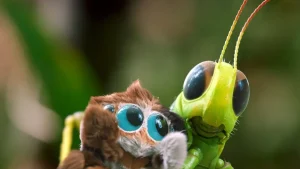
A superhero can explain their origin story. A game character can narrate a walkthrough. A historical figure can react to modern events. Even a panda and a raccoon can host a podcast together.
Today, a new generation of AI tools is dramatically expanding what independent creators can accomplish.
What once required professional animation software, motion-capture equipment, or advanced editing skills can increasingly be achieved with a single image and an audio file. Creators can now turn a portrait into a talking video, generate a two-person podcast from a static image, translate videos into multiple languages with synchronized lip movements, or animate fictional characters for social media content.
As these workflows become more sophisticated, many creators are exploring tools that can do more than basic lip sync, especially when working on character-driven videos, AI dubbing, multi-speaker scenes, and long-form content.
The result is a creative explosion that is changing how fandoms produce and share content.
From Static Images to Talking Characters
The internet has always loved characters.
Whether they come from comic books, anime, games, movies, or original artwork, characters are often what people connect with most.
The challenge has always been bringing those characters to life.
Traditional animation can be expensive and time-consuming. Even a short animated sequence may require hours of work.
AI lip-sync tools are changing that equation.
Instead of building an entire animation pipeline, creators can upload a single image and transform it into a speaking video.
A character portrait can suddenly become:
- A narrator
- A podcast host
- A reviewer
- A storyteller
- A comedian
For independent creators, that dramatically lowers the barrier to creating engaging content.
Why Talking Photos Are Everywhere
Talking-photo videos have become one of the most recognizable AI content formats online.
At first glance, the idea seems simple.
Upload a photo.
Upload audio.
Generate a video.
But the results can be surprisingly effective.
A static image naturally attracts less attention than a moving face. When viewers suddenly see a familiar image speaking naturally, curiosity takes over.
This is why creators are increasingly using talking photos to create:
- Character introductions
- Lore explanations
- Movie recaps
- Fan theories
- Educational content
- Social media clips
For fandom communities, it creates an entirely new storytelling format.
Podcasts Are Becoming Character-Driven
One of the most unexpected trends in AI video creation is the rise of character podcasts.
Traditionally, podcasts required cameras, microphones, lighting, and recording setups if creators wanted a visual version of their show.
Now creators are experimenting with entirely different approaches.
Two images can become a complete podcast scene.
A pair of fictional characters can discuss movies.
Animals can host comedy shows.
Original characters can interview each other.
Rather than staring at static waveforms, audiences get a fully visual conversation with synchronized speech and facial movement.
The format feels especially natural on YouTube Shorts, TikTok, and Instagram Reels.
AI Dubbing Is Creating New Possibilities
Geek culture has always been global.
Anime fans watch Japanese content.
Gamers follow creators from multiple countries.
Comic book communities span multiple languages.
Language barriers remain one of the biggest obstacles to sharing content internationally.
This is where AI dubbing becomes particularly interesting.
Instead of simply translating subtitles, creators can now generate translated audio and synchronize the speaker’s lips to match the new language.
Imagine:
- A game review available in English, Spanish, and Japanese.
- A lore video localized for multiple audiences.
- A character explainer translated without re-recording every version.
For creators who want to reach global audiences, this capability can be transformative.
Why Character-Based Content Performs So Well
One reason AI lip-sync content is growing so quickly is that audiences already love characters.
People build emotional connections with:
- Heroes
- Villains
- NPCs
- Mascots
- Streamer personas
- Fictional worlds
When those characters begin speaking naturally, they become even more engaging.
A creator doesn’t need to appear on camera.
The character becomes the presenter.
This allows creators to build unique identities that stand out from traditional talking-head content.
Gaming Communities Are Finding Creative Uses
Gaming communities have always been among the earliest adopters of creative technology.
From modding and machinima to streaming and virtual avatars, gamers constantly find new ways to tell stories.
AI lip-sync tools fit perfectly into that culture.
Creators are already using them to produce:
- Character lore videos
- NPC conversations
- Fan-made cutscenes
- Game news explainers
- Interactive storytelling experiments
As gaming worlds become larger and more detailed, the demand for character-focused content continues to grow.
Small Creators Benefit the Most
Large studios have always had access to advanced production tools.
Independent creators often have to work with much smaller budgets.
AI changes that balance.
A creator who has:
- One image
- One voice recording
- One idea
Can now produce content formats that previously required teams of artists and editors.
This doesn’t replace creativity.
If anything, it makes creativity more important.
When production barriers disappear, the quality of ideas becomes the biggest differentiator.
The Future of Digital Characters
The most interesting thing about AI lip sync may be that we’re still in the early stages.
Future tools will likely support:
- Better facial expressions
- Longer videos
- More realistic emotions
- Multiple speaking characters
- More accurate dubbing
- Improved character consistency
As these capabilities improve, digital characters will become increasingly common across entertainment, gaming, education, and social media.
The internet already loves characters.
Now those characters can finally talk.
Final Thoughts
For decades, fans have imagined what it would be like if their favorite characters could speak directly to them.
AI lip-sync technology is bringing that idea closer to reality.
Whether it’s a talking photo, a two-character podcast, a localized video, a game lore explanation, or a fan-made story, creators now have access to tools that dramatically expand what can be done with a single image and a great idea.
The future of online content may not belong to bigger studios or larger budgets. It may belong to the creators who find the most interesting ways to give their characters a voice.

Caroline is doing her graduation in IT from the University of South California but keens to work as a freelance blogger. She loves to write on the latest information about IoT, technology, and business. She has innovative ideas and shares her experience with her readers.