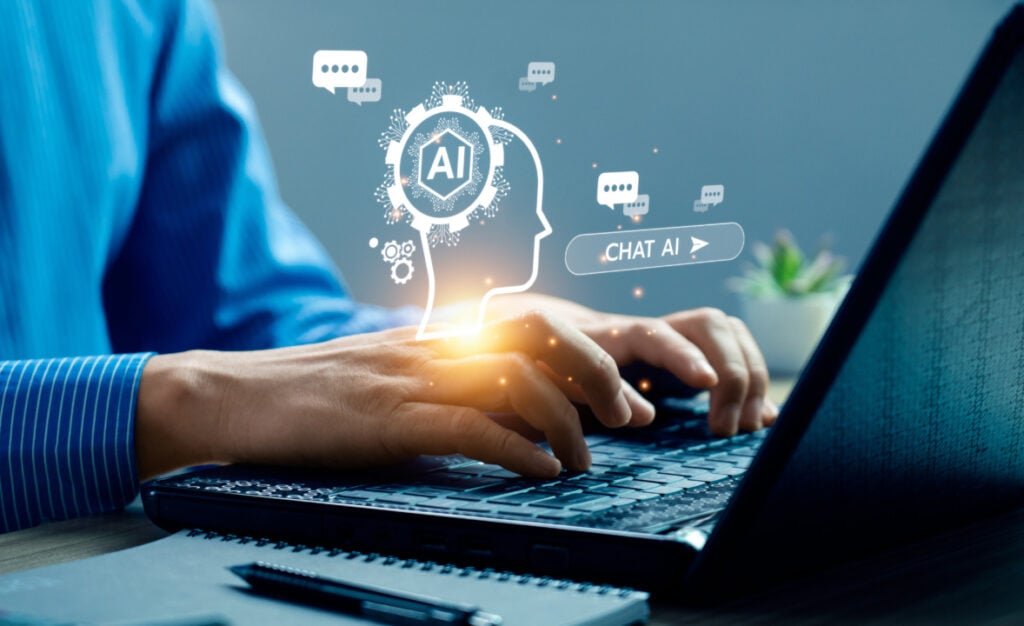
For decades, the idea of working alongside intelligent machines lived mostly in science fiction. From Star Trek’s Data to Iron Man’s JARVIS, pop culture imagined a future where software could think, respond, and collaborate like a human partner. That future is no longer hypothetical. Today, businesses are beginning to integrate AI “teammates” into daily operations, and tools like AI Sales Agents are early examples of how software is moving from passive tool to active contributor in the workplace.
This shift is subtle but significant. We are not just automating tasks, we are reshaping how work itself gets done. AI is starting to participate in conversations, handle decisions within defined boundaries, and support teams in ways that feel collaborative rather than mechanical.
From Tools to Teammates
Traditional software has always helped people work faster. Spreadsheets, CRMs, and project management platforms improved organization and efficiency, but they still required direct human input at every step. They were tools, not collaborators.
Modern AI systems are different. They can interpret language, recognize patterns, and respond in context. That allows them to take on responsibilities that once required constant human attention.
An AI teammate can:
- Respond to customer inquiries
- Schedule meetings
- Qualify leads
- Draft communications
- Analyze large volumes of data
What makes this notable is not just automation, but autonomy within limits. AI can act, not just react.
Why Businesses Are Embracing AI Teammates
Several forces are driving adoption.
First is scale. Many organizations face more communication, data, and customer interactions than human teams can realistically handle. AI offers a way to manage volume without simply adding more staff.
Second is consistency. AI systems do not get tired, distracted, or emotionally drained. They can provide steady performance for routine tasks, which is especially useful in customer-facing roles.
Third is speed. In a digital-first economy, response time matters. Whether answering a customer question or following up on a lead, delays can cost opportunities. AI can operate in real time, across time zones.
Finally, there is cost efficiency. While AI solutions require investment, they can reduce long-term operational costs when used thoughtfully.
The Human-AI Partnership
Image by pingpongchaphoto on Freepik
Despite headlines that sometimes frame AI as a job replacement, the reality in many workplaces looks more like partnership. AI handles repetitive or high-volume tasks, while humans focus on areas requiring judgment, creativity, and empathy.
For example, in sales environments, AI can handle first-contact conversations, answer common questions, and gather key details. Human sales professionals can then step in for complex negotiations or relationship-building.
This division of labor can actually improve job quality. Employees spend less time on routine tasks and more time on meaningful work. In many cases, AI acts as a support layer rather than a substitute.
Cultural Adjustment in the Workplace
The introduction of AI teammates also brings cultural shifts. Employees must learn to trust, supervise, and collaborate with systems that do not think like humans.
There can be hesitation at first. People may worry about reliability or fear being replaced. Clear communication from leadership helps here. When organizations frame AI as augmentation rather than replacement, adoption tends to be smoother.
Training also plays a role. Teams need to understand what AI can and cannot do. Overestimating AI leads to disappointment; underestimating it leads to missed opportunities.
Productivity and the Bigger Picture
The rise of AI teammates is part of a larger productivity conversation. Many economies are searching for ways to do more with limited labor resources, especially as populations age and skilled workers become harder to find.
Analysis from the Organisation for Economic Co-operation and Development (OECD) has highlighted that AI and automation technologies have the potential to improve productivity and help offset labor shortages, particularly in knowledge-intensive sectors where routine cognitive tasks can be streamlined.
While projections vary, most analysts agree that AI will influence how work is structured. The key question is not whether AI will be present, but how thoughtfully it will be integrated.
Ethical and Practical Considerations
Of course, AI teammates introduce new responsibilities. Data privacy, transparency, and accountability matter more than ever. If an AI interacts with customers, businesses must be clear about how information is handled.
There is also the question of oversight. AI should operate within defined boundaries, with humans setting goals and reviewing outcomes. The most effective deployments include monitoring and feedback loops.
Ethical use is not just a moral issue, it is a trust issue. Customers and employees are more comfortable when organizations are open about how AI is used.
What the Future May Look Like
Looking ahead, AI teammates will likely become more specialized. Instead of one general system, companies may use multiple AI agents trained for specific roles, sales support, scheduling, onboarding, analytics, and more.
We may also see smoother collaboration between AI systems themselves, creating workflows where tasks move automatically between digital agents and human teams.
At the same time, human skills will remain central. Communication, critical thinking, leadership, and emotional intelligence are difficult to automate. These abilities may become even more valuable in an AI-supported workplace.
The rise of AI teammates marks a turning point in how we think about software. It is no longer just something we use; it is something we work with. That distinction matters.
When implemented responsibly, AI can reduce burnout, increase responsiveness, and free people to focus on higher-value work. When implemented carelessly, it can create confusion or erode trust.
The organizations that benefit most will be those that treat AI as a partner, one that supports human talent rather than trying to replace it. In that sense, the future of work is not human versus machine. It is human with a machine.
And as that partnership evolves, the workplace may start to look a little more like the science fiction stories that first imagined it, just grounded in real-world goals, real responsibilities, and real people.

Sandra Larson is a writer with the personal blog at ElizabethanAuthor and an academic coach for students. Her main sphere of professional interest is the connection between AI and modern study techniques. Sandra believes that digital tools are a way to a better future in the education system.