

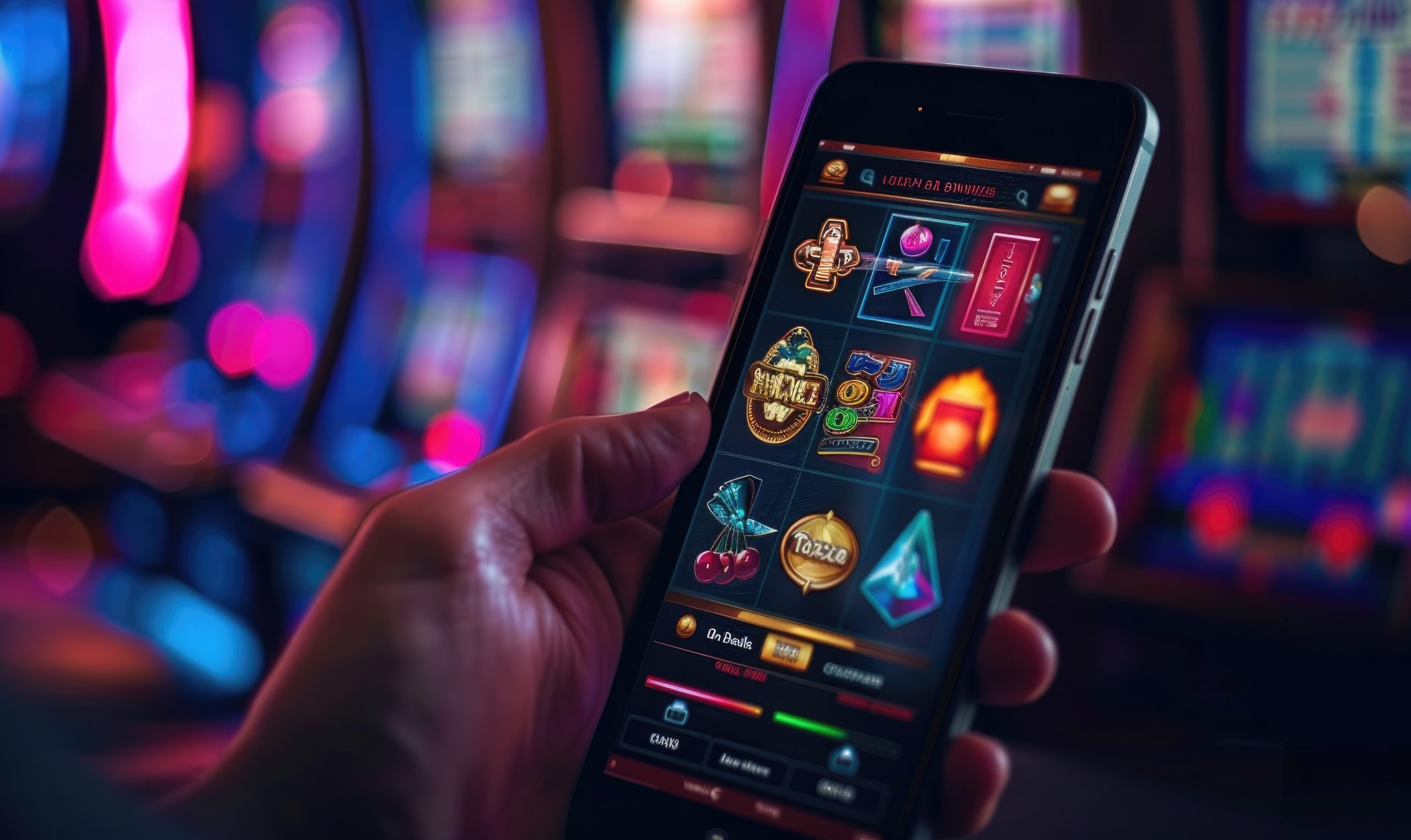
Over the last ten years, the way people spend their free time online has shifted dramatically. Computers, phones, and tablets now give us access to experiences that once required a trip somewhere. Interactive casino games stand out in this shift, mainly because they bring together polished visuals, live features, and hands-on participation in a single package.
A film or a TV series asks you to sit back and watch. Interactive games ask you to do something. Players choose how to proceed, try out different formats, and learn how each one works, all from wherever they happen to have a decent connection. Faster internet, more capable phones, and better software tools have all helped fuel this interest.
How Interactive Casino Games Have Reshaped Online Entertainment
Early browser games were basic. Graphics were plain, and there was very little a player could actually do. Today’s platforms look and feel very different, with richly designed environments, quick-responding controls, layered sound design, and interactive touches that keep people engaged for longer.
This progress has turned online gaming into a much wider entertainment category. People can now pick from digital card games, roulette-style tables, and animated slot titles, each with its own mechanics and look. That range gives users real choice when deciding how they want to spend their time.
Developers have also widened their focus beyond gameplay itself. Ease of use, interface layout, load times, and how well a game runs across different devices are now treated as core design goals, and together they have pushed interactive entertainment forward.
What Technology Brings to Modern Casino Gaming
Behind every smooth gaming session is a set of technical improvements. Better software frameworks let developers build fluid animations, convincing audio, and interfaces that react instantly to input. As a result, a game can feel consistent whether it is opened on a small phone or a large monitor, and on different operating systems.
A few developments have had an especially strong influence:
- HTML5: Lets games run directly in a browser on most modern devices, with no need for old-style desktop software.
- Mobile optimisation: Reworks layouts so that buttons and menus are comfortable to use on touchscreens.
- Live streaming: Brings real-time video and interaction into certain game types.
- Cloud infrastructure: Helps platforms handle heavy traffic and deliver content quickly.
- Data security: Supports safer account handling and better protection of personal information.
Taken together, these tools show that gaming evolves hand in hand with the wider world of online services.
Why Mobile Is Pushing the Industry Forward
Phones have become the main way many people go online, and gaming is no exception. Since a smartphone removes the need for a desktop computer, developers have shifted their attention toward mobile-first designs and dedicated apps.
The best mobile gaming experiences tend to share a handful of qualities:
- Layouts that adapt automatically to any screen size
- Clear navigation and easy-to-find menus
- Quick loading and smooth transitions between screens
- Support for current mobile operating systems
- Access through either a mobile browser or an app
Platforms such as Winbox show how gaming services are building mobile access into what they offer. Anyone looking into the platform may also come across details on the Winbox download process, including the Android and iOS options. Before installing any app, it is wise to confirm the official source and make sure it works with your device.
Popular Interactive Game Formats and What Sets Them Apart
Digital gaming covers a number of formats, and each delivers a different kind of experience. Some revolve around personal decisions, while others lean on visual appeal, live interaction, or mechanics players already know well.
The table below summarises the most common formats.
| Game Format | Main Features | Interactive Element |
|---|---|---|
| Digital Slot Games | Graphics, animations, and varied themes | Spin-based gameplay |
| Online Poker | Cards, strategy, and player decisions | Interactive card sessions |
| Digital Roulette | Number-based outcomes and table layouts | Choosing betting options |
| Live Dealer Games | Real-time video and professional dealers | Live table interaction |
| Digital Blackjack | Card-based play and familiar rules | Decisions made each round |
As the table shows, there is plenty of variety. Keep in mind, though, that features, availability, and rules are not the same everywhere and can vary from one platform or software provider to the next.
Why User Experience and Accessibility Matter
A successful digital entertainment platform like Winbox needs more than a wide selection of games. It should also offer a smooth user experience with simple navigation, clear information, reliable performance, and helpful customer support.
Mobile accessibility deserves special mention, since many people move between a phone, a tablet, and a computer during the same week. When the interface stays consistent across them, it feels familiar and is easier to use.
Transparency is just as important. A good platform spells out its terms, account requirements, privacy practices, and any restrictions that apply. Users should read all of this before signing up or spending money.
Accessibility should extend to responsible gaming tools too. Age limits, spending caps, account controls, and self-exclusion options all help people make better-informed choices about how they play.
Where Interactive Gaming May Be Headed
Software, artificial intelligence, mobile hardware, and real-time communication will probably continue to shape interactive casino gaming. Together they could produce more personalised interfaces, better accessibility, and digital spaces that respond even faster to the player.
AI could help developers study broad usage patterns and make navigation simpler. Virtual and augmented reality might open up new ways of exploring gaming environments, although how far they spread will depend on device availability and whether players want them.
Cloud technology may also make access more flexible by reducing the need for powerful hardware at home. Even so, privacy, cybersecurity, fair-play standards, and responsible practices will stay important as things change.
In the end, the future of interactive gaming rests on balancing innovation with user protection, openness, and dependable service.
Conclusion
Interactive casino games now hold a firm place in modern digital entertainment. Advances in mobile technology, software engineering, live streaming, and interface design have made gaming easier to reach and more enjoyable to use.
As the industry keeps moving, platforms will need to prioritise performance, accessibility, security, and responsible gaming. Those priorities will largely decide how people find and enjoy digital entertainment in the coming years.
FAQs
1. What are interactive casino games?
They are digital games played through online platforms where the user takes an active part. Common formats include slots, poker, blackjack, roulette, and live dealer games.
2. How has technology improved online casino games?
Tools such as HTML5, cloud computing, mobile optimisation, and live streaming have led to better graphics, easier access, faster loading, and richer interactive features.
3. Can interactive casino games be played on smartphones?
Yes. Many platforms work on phones through mobile-friendly websites or dedicated apps, though compatibility depends on the platform and the device.
4. How do live dealer games differ from traditional digital games?
Standard digital games use software to generate visuals and results, while live dealer games stream real-time video of human dealers.
5. What should users check before downloading a gaming app?
Confirm the official download source, review the permissions the app requests, check device compatibility, and read the privacy policy and terms and conditions.
6. Why does mobile accessibility matter for gaming platforms?
It lets people enjoy supported features on phones and tablets, and responsive layouts with simple navigation make the whole experience easier to use.
7. How might interactive casino gaming change in the future?
AI, virtual reality, augmented reality, and cloud technology could add new interactive features and improve the overall experience.
Riley Cortez is a veteran sports betting strategist who blends data-driven analysis with real-world sportsbook experience. With a background in predictive modeling, Riley specializes in NFL props, NBA live betting, and long-odds futures markets. He writes with the goal of helping bettors make smarter decisions while navigating modern sportsbooks and evolving betting legislation.