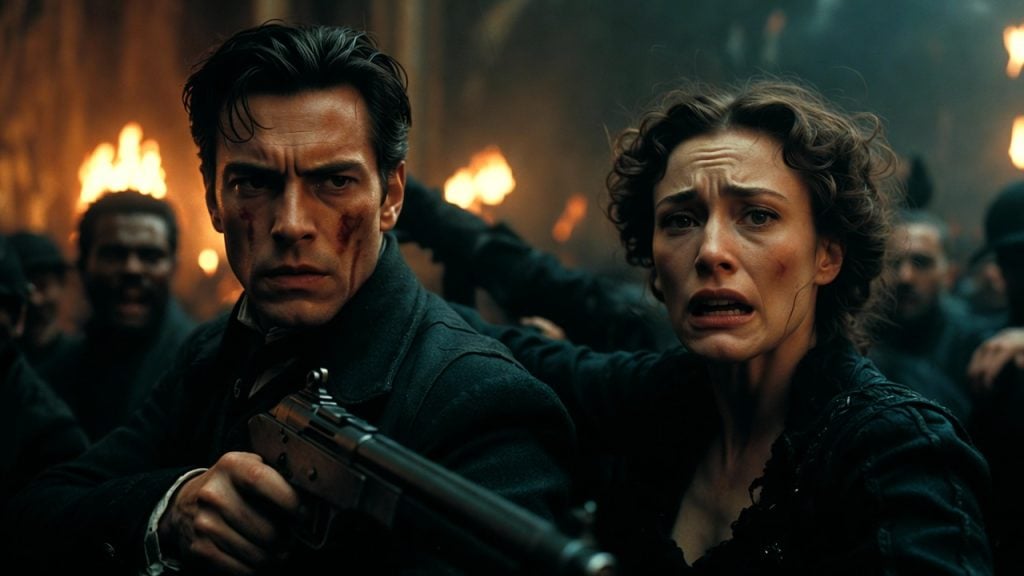
In the world of film and TV it is the high stakes conflicts which make for the most unforgettable stories. Viewers see this in intense family dramas which play out on the screen to epic superhero battles and political thrillers which keep them at the edge of their seats. As with real life which requires delicate navigation of issues so does entertainment which requires precision, strategy and in depth character development. Without these elements even the most dramatic plots can come off as incoherent and unsatisfying.
Understanding High-Conflict Narratives
High drama is what audiences see in high conflict stories which are characterized by unsolved issues and in between characters. Betrayal, miscommunication, rivalry, and kept secrets are the fuel that runs these stories which in turn play out as very dramatic elements that audience members identify with.
In series like Succession and Euphoria viewers see repeat confrontations, surprising turns, and emotional breaks which raise the stakes of the story and have them at the edge of their seats. While these conflicts are entertaining they also mirror real world issues which in turn cause audience members to connect more deeply with the characters.
Crafting Clear Character Arcs
In terms of reporting high-conflict stories, what is very important is character development. Audiences must see into each character’s what makes them tick, their fears, and what they want out of the story to keep them invested.
By having characters make thought-out, strategic decisions instead of reacting out of the blue, writers create arcs that feel real and true to life. This is seen in a superhero grappling with moral issues or a family dealing with betrayal; clear character growth elements guide the audience through the chaos, which in turn makes even the most dramatic of conflicts easy to follow.
Managing On-Screen Tension
Conflict is the base element of drama, but it has to be put on a short leash for that engagement to be maintained. Directors and showrunners play out tension via pacing, dialogue, and cinematography, which in turn makes each clash relevant to the story.
As Experienced family lawyers in Calgary will craft a strategy and bring to bear the right amount of professional skill to get their clients through very complex high-conflict issues, so do skilled storytellers, who bring to bear a clear vision and plan. In this way they hold the audience’s interest without the story degenerating into chaos.
Negotiation and Resolution in Storylines
Many a great movie and TV show are recalled because of how they present conflict via clever negotiation, teamwork, or character development.
What audiences see in skilled writing is the fine line between building up dramatic tension, which then by the end is resolved in a satisfying way that feels earned, not rushed. In stories that have very difficult antagonists or uncooperative characters, viewers see resolution coming out of compromise, strategy, or chance-made alliances. Also audiences see in this how storytelling in many cases takes its cue from professional negotiation tactics.
Epic Showdowns and Climactic Moments
In the arena of battle scenes, courtrooms, and emotionally charged dialogues, audiences see which elements require great care in their design to make sure each element of the narrative is a part of the payoff.
What audiences see from great directors and writers is the art of building suspense, revealing character secrets, and living out tension, which in turn delivers to the audience that which leaves them exhilarated. From the face-off in Game of Thrones to the breakup scenes in This Is Us, viewers see that high-conflict climaxes are what define a story’s impact.
Supporting Subplots and Side Stories
High drama in a story is often the result of secondary characters and subplots, which in turn support the main storyline.
These subplots bring in different points of view, bring to light characters’ true motives, or introduce which in turn raise the stakes. For example, a peripheral character in a mystery may be the key to the main conflict, thus increasing the element of surprise. Well-developed subplots keep the audience hooked throughout a series or film, which in turn creates a very immersive experience.
Emotional and Strategic Storytelling
The best high-impact stories, which are compelling, play with emotion and thought. Writers and directors take audiences on a ride of intensity through peaks and valleys, and at the same time, they make them care for the characters, and at the same time, they run a tight ship in terms of the narrative.
This fine line they walk makes conflicts feel like they have purpose rather than being chaotic, which in turn gives the audience a dose of excitement and satisfaction. Also in this sense, storytelling is a mirror of real-world doings; like how in Calgary, experienced family lawyers do for their complex cases what is put forward and made clear and strategic, so also do skilled storytellers, who present conflict in a way that is to maximize engagement and impact.
Time and Pacing in High-Conflict Stories
In terms of high-conflict narratives, time is of the essence. Too great a length of time in play out of the confrontation will see audiences lose interest; at the same time, very quick resolution of conflict comes off as insincere.
What viewers see from the best filmmakers is that they craft the pace of tension, action, and resolution, which in turn keeps the audience engaged right through to the end. What also comes through in proper pacing is that each dramatic element lands as it should, which in turn allows the audience to connect with the story’s stakes.
Conclusion
High-conflict films and TV series present a fine line between character growth, story strategy, and emotion, which great creators play as experts in their field, which they also design and which they solve, taking audiences through the tough drama and at the same time giving them what they want out of it.
In that which is almost a craft for some in Calgary, they guide through the difficult issues at hand, which skilled filmmakers do in terms of structure, which in turn captures the audience and makes each high-stakes moment count.

Hi! I’m Bryan, and I’m a passionate & expert writer with more than five years of experience. I have written about various topics such as product descriptions, travel, cryptocurrencies, and online gaming in my writing journey.