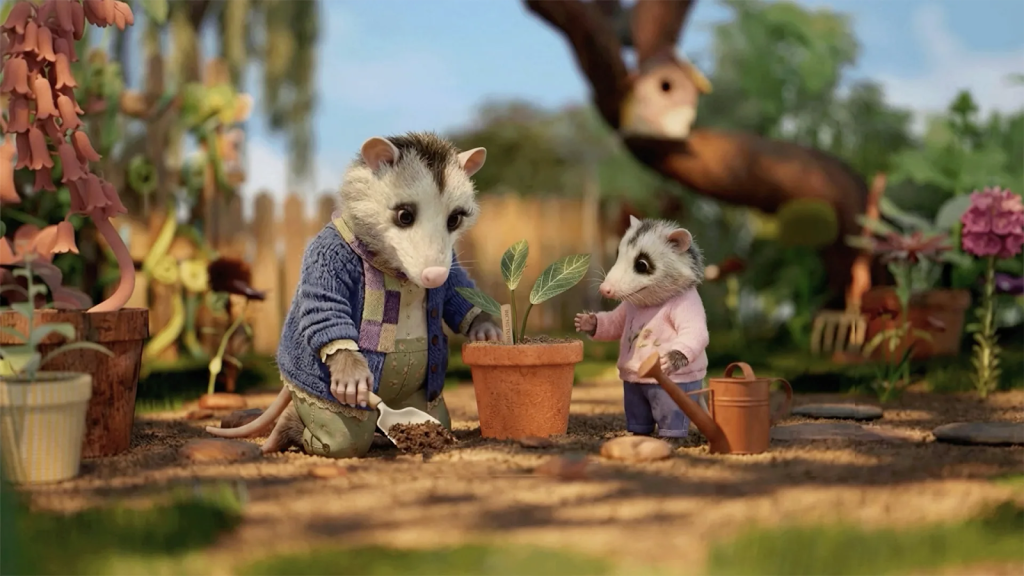
Video content isn’t just king anymore. It is the entire board. Every brand manager, course creator and digital marketer already knows they need movement to capture attention in a saturated feed. But there’s a big gulf among a established template you obtain on-line and bespoke animation that genuinely makes a person experience something. I actually have spent the final decade running along innovative organizations and navigating the virtual media space. I can let you know firsthand that the United Kingdom is presently working on a completely unique degree with regards to movement design, man or woman rigging and business storytelling.
You want proof? Look at the sheer volume of global campaigns being outsourced to London, Bristol and Manchester right now. Brands are tired of flat, lifeless corporate explainers that do nothing but put audiences to sleep. They want narratives. They want texture. Finding a partner like Myth Studio or a similar powerhouse team that inherently understands both the artistic process and your commercial goals is the real challenge. You don’t just need software operators. You need visual problem solvers who know how to translate complex business offerings into compelling media.
The unique ecosystem of British animation
Let’s talk about the UK landscape and why the talent pool here is so incredibly dense. It all goes back to the educational infrastructure and a very specific legacy of bleeding-edge broadcast design. Networks like Channel 4 and the BBC basically bankrolled an entire generation of motion designers. These artists learned how to communicate complex ideas and shifting moods in three-second idents. Now those same designers are running their own independent shops. They are applying that intense broadcast rigor to B2B software products, educational platforms and direct-to-consumer lifestyle brands.
Then you have the regional hubs. London naturally dominates the advertising world with massive budgets and global client rosters. But look over at Bristol. That city has a legendary stop-motion and natural history pedigree that leaks into its commercial 3D work. Manchester is currently experiencing a massive digital media boom with boutique agencies churning out highly experimental mixed-media content. The talent isn’t centralized, which means you have diverse creative perspectives scattered across the country.
Moving past the generic explainer video
The internet does not need another video of a faceless vector character dragging a giant coin into a piggy bank. We have reached peak saturation with that specific corporate art style. Consumers actively tune it out. The studios that actually matter today are the ones pushing into mixed media, frame-by-frame traditional animation and hyper-real 3D environments.
If you are building an online course, creating assets for a digital community or launching a technical product, your primary goal is knowledge retention. You need an animation partner who understands cognitive load. They need to know how to use visual cues to reinforce your curriculum or product features rather than distracting the viewer with unnecessary visual fireworks. Storytelling always has to beat technical execution. I have seen incredibly rendered 3D commercials that look breathtaking but leave me with absolutely no idea what the company actually does.
The traits of a world-class production partner
How do you actually filter the good from the great? You need to look for specific behavioral markers when you first engage with these creative teams:
-
They care deeply about your distribution strategy. If a studio doesn’t ask where this content is going to live before they start storyboarding, walk away immediately. A piece of hero content for a website header requires a fundamentally different aspect ratio, pacing and visual hook than a thumb-stopping mobile ad.
-
They push back on bad ideas. You are paying for their industry expertise, not their blind obedience. The best creative directors will politely but firmly tell you when a concept is too cluttered or when a script is dragging.
-
They prioritize sound design from day one. Audio is easily half of the emotional experience. Elite studios have sound engineers and composers involved from the animatic stage, rather than slapping a cheap stock music track on at the very end of the rendering process.
-
They understand your specific business model. A campaign for a creator economy platform requires a completely different tone of voice than a pharmaceutical compliance video.
What you should actually be paying for
Budget is always the most uncomfortable conversation in the room. Let’s remove the mystery right now. Animation is incredibly labor-intensive. It requires serious computing power and thousands of hours of highly skilled human attention. When you commission a project, you aren’t just paying for the final file. You are funding a massive logistical operation encompassing scriptwriting, storyboarding, rigging, texturing, animating, rendering and sound mixing.
Here is a rough breakdown of what different investment levels actually look like in the current UK market:
-
The entry level tier usually sits under the five thousand pound mark. Expect motion graphics heavily reliant on existing templates, basic kinetic typography and very simple vector manipulation. It gets the job done for internal communications or quick social media posts but it rarely builds long-term brand equity.
-
The professional tier ranges from ten to twenty thousand pounds and unlocks bespoke illustration, custom character rigging and original sound design. This is the sweet spot for ambitious mid-market brands or successful educators needing a flagship promotional asset that feels entirely unique.
-
The premium tier is anything north of thirty thousand pounds. This investment buys you broadcast-quality 3D environments, complex frame-by-frame cel animation and dedicated art direction that rivals major television networks. This is where global campaigns live.
The problem with the traditional agency model
A lot of brands default to their PR or traditional advertising agencies when they suddenly need animated content. That is usually an expensive mistake. Traditional full-service agencies rarely have robust in-house animation teams. They mostly act as middlemen. They take your brief, mark up the total cost by fifty percent, and then outsource the actual production work to a specialized independent studio anyway.
Cut out the middleman entirely. Go direct to the source. You will save a significant portion of your budget and your feedback will reach the actual artists immediately instead of going through three layers of account managers who don’t understand the software constraints.
Building a scalable visual system
Stop commissioning single videos. It is a terrible use of your marketing budget. The smartest brands right now are treating their animation studios as foundational partners. They don’t just ask for a video. They commission entirely new visual systems.
When you hire a top-tier UK team, you should be asking them to build a comprehensive toolkit. This means delivering the main hero video, but also providing isolated looping animations, transparent character files, social media cutdowns in various aspect ratios and branded transition wipes. You want a massive library of modular assets that your internal marketing team can pull from for the next two years. That is how you achieve true return on investment in the digital creative sector.
How to avoid ruining your own project
I see clients sabotage brilliant creative work all the time. The most common way is through micromanagement during the production phase. You cannot rush good work. The physics of rendering and the reality of human creativity simply do not allow it. A bespoke two-minute animation is typically an eight to twelve-week process. If a studio promises to deliver custom work in three weeks, they are either lying to you or they are cutting massive corners using pre-made assets.
The pre-production phase is where projects live or die. Scripting, storyboarding and creating style frames should take up at least a third of the total project timeline. Do not rush this part under any circumstances. Once an animation moves into production and scenes start getting rigged and rendered, changing your mind becomes incredibly expensive and time-consuming. A good studio will force you to sign off on every single storyboard panel and style frame before they ever touch the animation software. Trust that process.
Taking the next step
Finding the right match is going to take some legwork on your end. Start by identifying brands or digital products outside of your immediate industry that have visual identities you genuinely envy. Look at the credits on their videos. Track down the specific UK studios that produced that work. Reach out and ask for a chemistry meeting.


![‘The Boys’ Season 5 Premiere Doesn’t Pull Any Punches [SPOILER WARNING]](https://cdn.geekvibesnation.com/wp-media-folder-geek-vibes-nation/wp-content/uploads/2026/04/THBY_S5_UR_501_00331_R2_3000-300x200.jpg "‘The Boys’ Season 5 Premiere Doesn’t Pull Any Punches [SPOILER WARNING]")