

They say there is no such thing as bad press. Well, The Uprising may not have bad press, but there is a quiver full of confusion. The Andrew Garfield period piece looked to dramatize the 1381 Peasants’ Rebellion, also known as the Great Uprising. A compelling story in its own right and certainly one that is symbolic in these tense times, which is why brows furrowed at the repackaging, at least in the marketing for this as a story telling the rise of Robin Hood. Now, for all intents and purposes, this is a back-door origin story for fiction’s favorite outlaw. But hamfisted prequels aside, The Uprising is a bloody, gritty affair that gives Garfield a field to plow with a story steeped in historically rich lessons, while still being thoroughly enjoyable.
Rebellion does not begin with the ignition of burning flames. Rebellions begin in the quiet moments of discontent. Hope is all but forgotten, and there is only the faint flicker of a dream. It is that thought that stirs the passions of a displaced, battered, and dispirited people: the commoners, the farmers, the aggrieved. A time of plague has killed half the population of England. King Richard II (Woody Norman) is sequestered in his castle at the hands of his Council, oblivious to the suffering of his kingdom. The ground is fertile for revolution, and as taxes are levied on the peasants, the seeds of rebellion take root.

A plougman (Andrew Garfield), grieving the loss of his wife and children, is disgusted that rising taxes prevent him and his fellow townspeople from maintaining a living. Angry at the tax collector’s demands and the horrid acts of the king’s soldiers to determine whether or not children should be taxed as children or adults, the plougman takes up arms and kills his arresting soldier.
The ploughman’s act of dissension inspires a revolt among the peasant class. And thus, a rebellion sweeps across England, causing unrest and uncertainty. He later joins forces with rebellion leaders, Wat Tyler (Cosmo Jarvis), a former soldier, and John Ball (Jamie Bell), a heretic priest, who help form an army of the discontent. They march to face the King and demand justice.
King Richard II is a wily fourteen-year-old who shuffles at the hands of the Council, but can turn on a dime. He presents a sniveling tyrant, overwhelmed by nightmares of an advancing mob. He plays a wretched soul well, becoming a character we despise while also marveling at his cunning villainy.

The Uprising works on two levels. Much of the exposition appears at the start of the film and through a conversation with the King’s Council. The triggering action, when the plowman kills a soldier, sets the chain of events for the rest of the film. It is a bloody affair that pulls no punches. Still, the bloodshed is kept at bay as the rebellion tries to make its demands peacefully before the King.
If there is any democracy in action, it shows up in the rebellion’s efforts to resolve their grievances peacefully and appeal directly to the King. Famously, King Richard II declared he would meet the rebellion’s demands and end their serfdom. Yet, he reverses his word and executes the rebels. The film is much less concerned with presenting a dramatic history lesson, and instead uses the historical uprising to develop a Robin Hood origin story that, while some may find awkward, works surprisingly well.
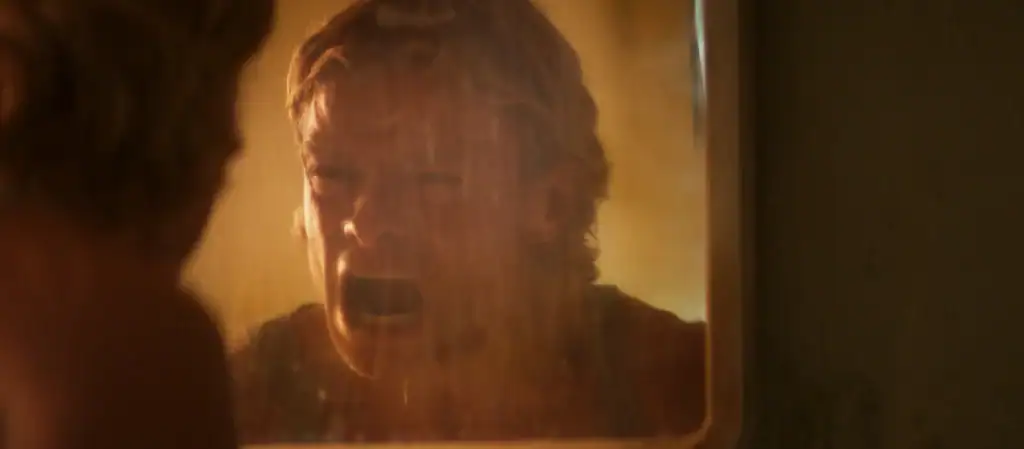
The story shows a glimmer of hope in a leader’s false promise. There is a moment where Garfield brandishes his acting chops without uttering a word. As he watches the realization that the King has gone back on his word and intended to slaughter them, all the flicker in his eyes is not one of resignation, but of rage. In that moment, for the film’s Robin Hood purposes, a legend is born.
At this point, I wish Hollywood would greenlight a full-scale retelling of Robin Hood. There are enough reimaginings and character studies; the time seems right to reintroduce the character fully to modern audiences. Yet, does including the myth strengthen the film? No. Garfield and company are exceptional in their own right. Even as a straightforward dramatization of the Peasant Revolt, it would still be a thrilling and timely film. The Robin Hood add-on is more of a wink-and-nod to the legendary character. It certainly does not distract from the very real, palpable story of freedom, as applicable today as it was nearly 700 years ago.
Now, in a year that has already seen two distinct versions of the Robin Hood story, I am more partial to this telling. One, for its use of historical events as a frame, but also for the mystical charm and allure of Garfield playing Locksley. The film is certainly subtle, and those who expect a full-throated declaration will be disappointed. But just as there can be fan service in otherwise historical trappings, the effect is quite effective.

Director Paul Greengrass plunges his character’s hands into the dirt. He captures the soil and grime on his fingernails. As much as this film tries to capture a historical event or construct the legend of Sherwood Forest, the real arrow that hits the mark is the bloody spectacle. It is raw and pulsating. The action is unflinching, but it never loses sight of the human story. It is a tale that is as old as David and Goliath. It is a tale of freedom over tyranny. Hope over despair.
The Uprising is sincere in its ambition to be a serious account of rebellion in the face of tyranny. It reframes a legend as history, while reminding us that patterns are cyclical, as is human nature. There is a refrain from another story of the forgotten class in a time of gluttony for the few and scarcity for the many: Do you hear the people sing, singing the song of angry men…it is the music of the people…Who will not be slaves again!
Some may balk at the film’s political overtones. However, the message of The Uprising is timely as hell, and it reminds us that the legend of Robin Hood still resonates today!
The Uprising stars Andrew Garfield and is directed by Paul Greengrass. The film opens on September 11, 2026, from Focus Features.
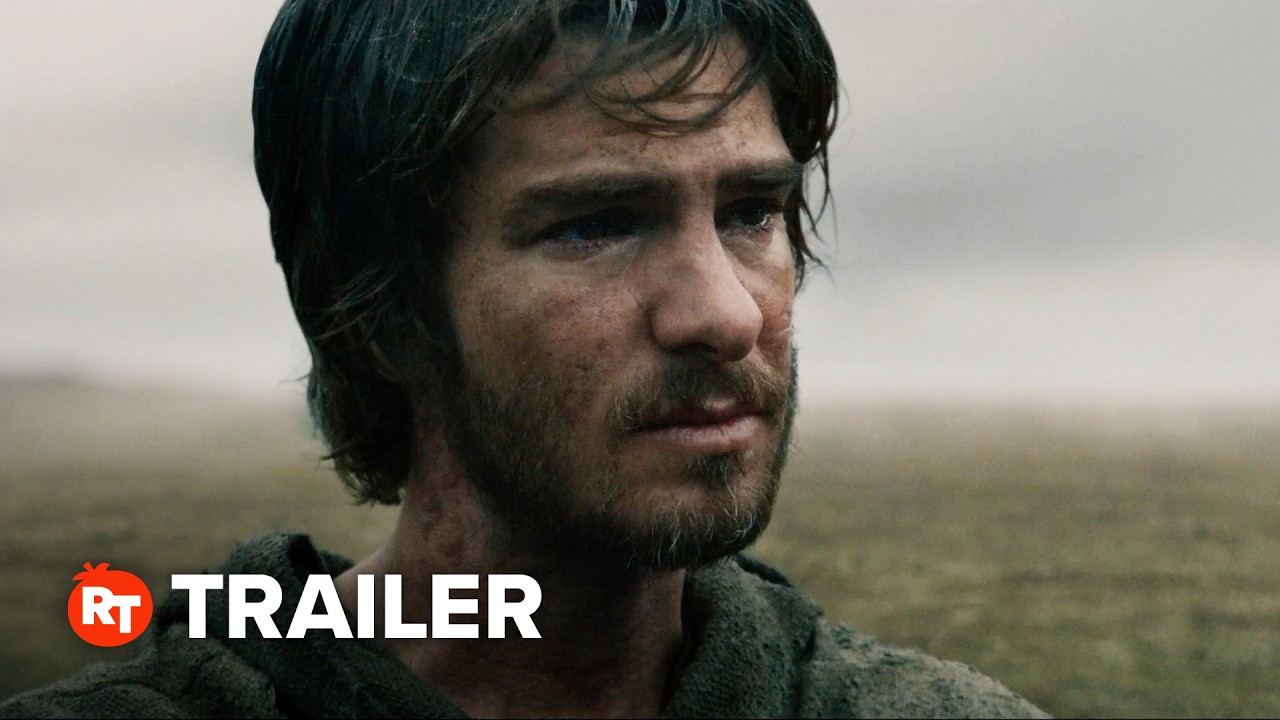
The Uprising is a bloody, gritty affair that gives Garfield a field to plow with a story steeped in historically rich lessons, while still being thoroughly enjoyable.
-
GVN Rating

Writing & podcasting, for the love of movies.
His Letterboxd Favorites: The Dark Knight, Halloween, Jaws & The Odyssey.