Sequels aren’t just for movies anymore. In the world of online slots, they’ve become a trend, and for good reason. When a slot game builds a loyal fan base, developers often see a golden opportunity to bring it back, bigger and bolder. But what actually happens when a slot gets a sequel? How do studios decide what to keep, what to change, and how to win over both old fans and new players?
Let’s dig into what makes a slot sequel tick and why players in Australia and beyond can’t seem to resist giving them a spin.
The Rise of Slot Sequels
Before we explore what makes sequels special, it’s worth understanding why they’ve become so common. The online casino industry has evolved fast over the last decade. What started with simple fruit machines has turned into a world of immersive storytelling, cinematic graphics, and engaging mechanics.
In this landscape, sequels have become a marketing and creative strategy. Much like movie studios revisit fan-favourite franchises, slot developers tap into nostalgia and recognition. When players see a familiar title in a casino lobby, they’re more likely to give it a try.
Some sequels go on to outshine the originals. Others stumble under the weight of expectation. Either way, the trend shows no sign of slowing down.
Why Developers Create Sequels
Creating a sequel isn’t just about cashing in on a name. Developers walk a fine line between innovation and preservation. They want to evolve the experience without losing what made the first game memorable.
From a business standpoint, sequels come with lower risk. The brand is already established, the theme is proven, and the player base exists. Developers also gather valuable data from the original and use it to refine the sequel’s design.
It’s also about building long-term engagement. Players who loved the first game are more likely to stick with the brand, and a sequel can serve as a bridge to a whole series of themed releases.
Keeping the Magic Alive
Sequels thrive when they capture the spirit of the original. The best ones feel familiar yet fresh. Developers often keep the core symbols, theme, and soundtrack while upgrading visuals or bonus features.
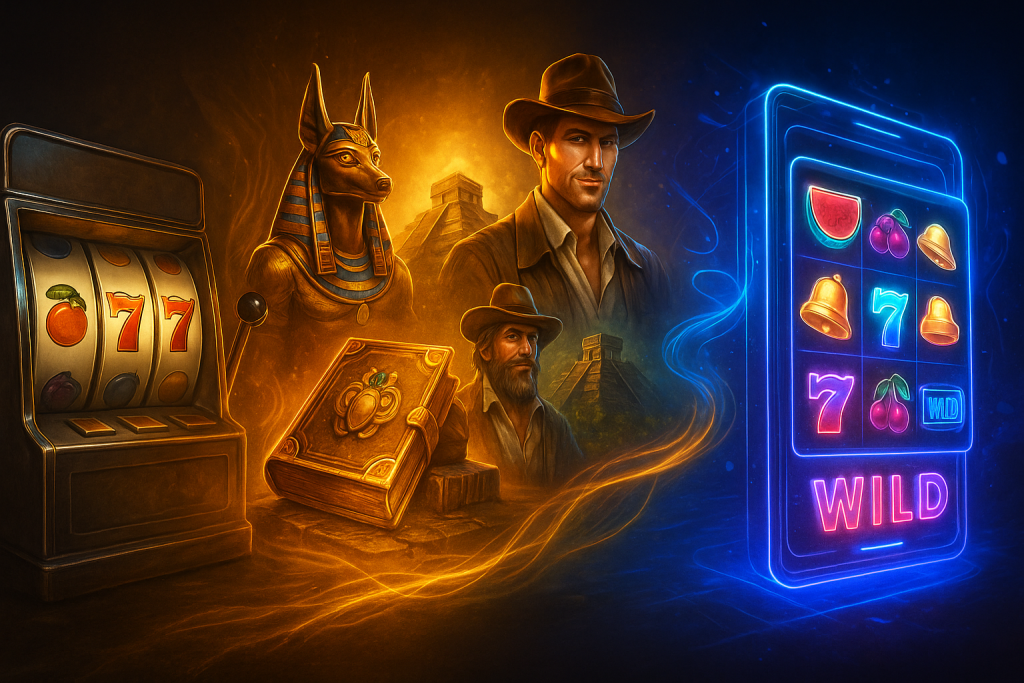
Take Book of Dead and its many spiritual successors (from Legacy of Dead to Book of 99). Each version tweaks the mechanics just enough to keep it exciting. The idea is to make returning players feel at home while offering something new to discover.
But balance is key. Change too much, and the sequel risks alienating fans. Change too little, and it can feel like a lazy re-skin.
Innovation Behind the Reels
One of the biggest draws of a sequel is innovation. When players fire up a follow-up title, they expect more than just prettier graphics but they also expect smarter gameplay.
Modern sequels often introduce new reel structures, volatility levels, or feature combinations. For example, a sequel might expand from a 5×3 grid to a 6×4 setup, add cascading reels, or include multiple free-spin modes. These enhancements give players a sense of progression and variety.
Innovation isn’t only technical. Narrative development plays a role, too. Some sequels continue the story, bringing back characters or settings in new adventures. It’s a storytelling layer that resonates with players who crave more than random spins.
When Sequels Miss the Mark
Not every sequel strikes gold. Sometimes developers rely too heavily on the original’s reputation, delivering a product that feels rushed or uninspired. In other cases, overcomplication turns a once-simple game into a cluttered experience.
Players can tell when a sequel is made for love versus for profit. Forums and social media are quick to call out lazy rehashes. The iGaming community values authenticity, and reputation can take a hit when sequels disappoint.
This is why developers often test and gather player feedback during beta phases or soft launches. The goal is to ensure that the sequel not only performs well technically but also delivers genuine excitement.
How Sequels Shape Player Loyalty
For many players, sequels are like catching up with an old friend. Familiarity builds trust, and trust drives loyalty. When a developer consistently releases strong follow-ups, players start to see them as reliable storytellers.
Studios like NetEnt, Play’n GO, and Pragmatic Play have mastered this formula. Their sequels often serve as showcases of evolution – better graphics, refined math models, and improved pacing.
From a player’s perspective, sequels add a layer of comfort in an ever-changing casino landscape. With so many new games launched every week, familiar names stand out in the crowd. Whether you’re scrolling through your favourite online platform or exploring something new at betandplay casino, sequels often make up a big part of what draws your attention.
Technical Upgrades: From Flash to HTML5
When older games get sequels, they’re often built using the latest technology. Many beloved classics were originally made in Flash, which is now obsolete. Sequels give developers a chance to rebuild titles in HTML5, improving compatibility, speed, and performance on modern devices.
This technical evolution is more than only aesthetics. Nowadays, accessibility is key. Players in Australia, where mobile gaming is especially popular, expect seamless performance across all platforms. A sequel built on a modern engine ensures smoother gameplay and fewer interruptions.
Better tech also allows for richer animations, improved audio, and dynamic features like adaptive reels or random multipliers, all contributing to a more immersive experience.
When a Sequel Becomes a Franchise
Some games evolve beyond a simple sequel into full-blown series. Gonzo’s Quest, Dead or Alive, and Rich Wilde titles are prime examples. These aren’t just follow-ups; they’re living brands with multiple installments, spin-offs, and remakes.
Once a franchise forms, developers have even more room to experiment. They can introduce side stories, seasonal releases, or hybrid versions that combine features from different entries. This approach keeps players engaged year after year.
Franchises also build trust with casino operators. When a series has proven traction, it’s more likely to get premium placement in lobbies and promotions.
Trends Shaping Future Sequels
As technology evolves, so will the nature of sequels. We’re already seeing trends like connected jackpots, multi-game narratives, and interactive bonus paths. AI and data personalization are also likely to play larger roles in tailoring player experiences.
Expect future sequels to be more dynamic and perhaps even adaptive. Imagine a slot that evolves based on how you play, unlocking new chapters or mechanics as you progress. These innovations will redefine what a sequel means in the iGaming space.
Sustainability and inclusivity are also influencing design choices. Developers are increasingly mindful of responsible gaming tools and diverse representation within their themes and characters.
The Spin Never Ends
When a slot game gets a sequel, it’s a creative collaboration between past and future; a chance to reimagine something familiar through fresh eyes. Whether it’s a beloved classic returning in a new format or a complete reinvention, sequels are proof that even in a digital world, players still crave stories that grow with them. So next time you see a familiar title pop up in your favourite casino lobby, you might just find that the sequel isn’t trying to outshine the original but it’s inviting you to fall in love all over again.