

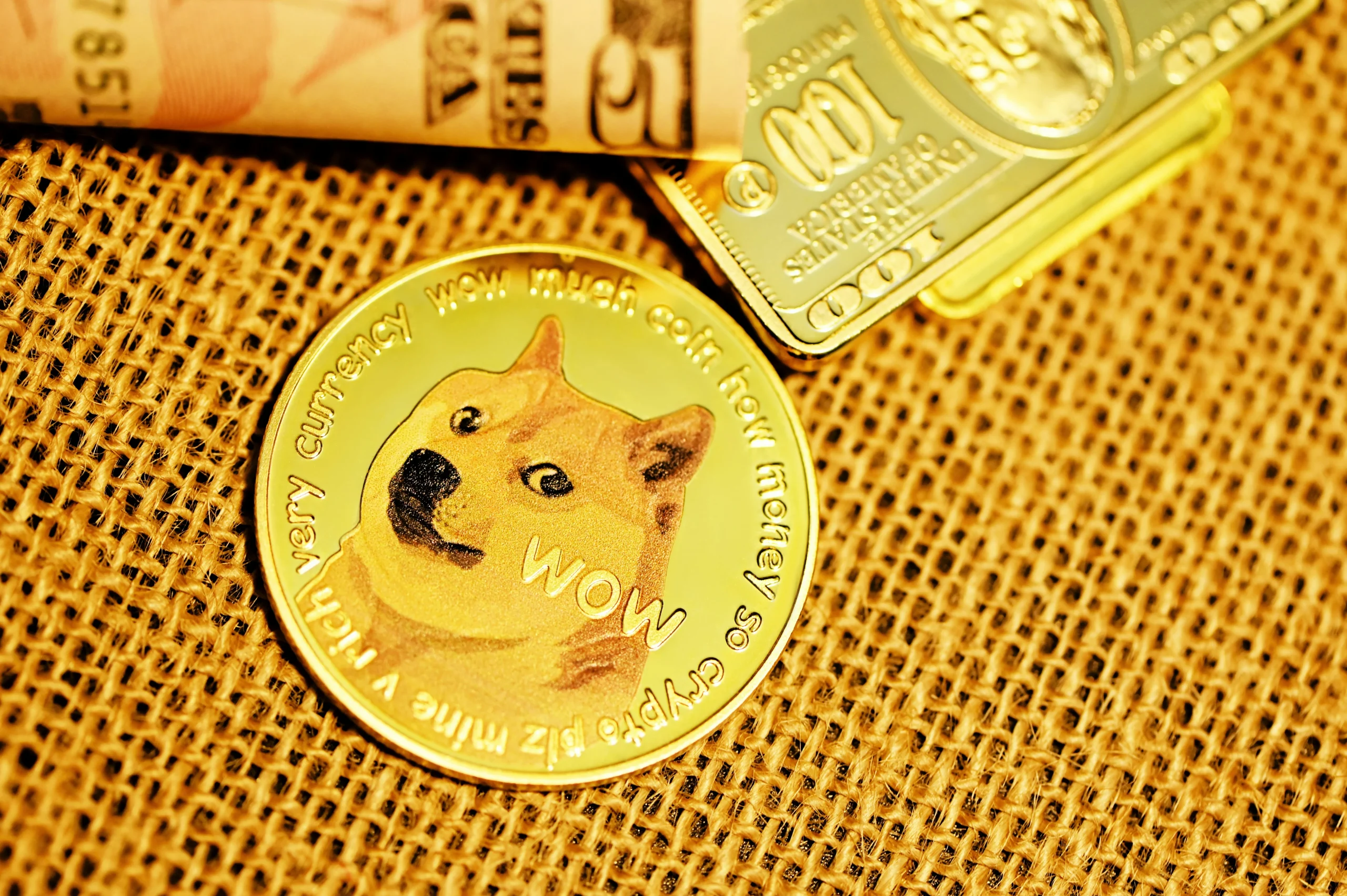
Everyone loves meme coins when their prices are climbing. They’re fun to have in one’s portfolio. Your favorite dog-themed token is trending; the frog is suddenly worth 10x times more than when you purchased it, and all meme coin enthusiasts seem convinced that nothing will take the tokens down in the near future. But when Bitcoin starts falling, investors get nervous, and the crypto market seems to slowly lose its appetite for risk.
The entire market mood changes, and the same meme coins that attracted thousands of buyers a couple of months ago seem to suddenly struggle to find support. If you’re following a Dogecoin prediction or watching the latest moves of Pepe or Shiba Inu, you need to understand how these tokens behave during a downturn.
Before going further with the possibilities, it’s essential to highlight that not all meme coins react the same way, even if they share a few vulnerabilities.
Investors lose their appetite for risk
No surprise here. When the market enters a downturn, investors become more selective not only with meme coins, but with all the cryptocurrencies they have in their portfolio because they’re afraid they might lose their money. So, you will no longer see everyone chasing the next viral token only because an influencer marketed it on social media. People have the tendency to move toward assets they consider more established, buy stablecoins, or even leave the market.
Meme coins can feel the change in the market quickly.
Why? Because their prices are closely connected to attention, speculative demand, and community excitement. Unlike established projects like Bitcoin and Ethereum, or clearly defined applications, most meme coins have little underlying activity to support demand when enthusiasm leaves the market.
Maybe one of the tokens you have in your portfolio gained its popularity after a viral social media campaign. During the bull market, the buyers kept arriving because everyone wanted a piece of that excitement. But when the prices started to fall, many of its supporters disappeared, and even you thought about selling.
Small meme coins can fall harder than established tokens
Yes, even a well-established project like Bitcoin isn’t immune to market downturns, but it proved that it can survive even the toughest crypto winters. On the other hand, smaller meme coins often suffer more because many of them have limited liquidity, few active traders, and a much smaller pool of buyers than other altcoins.
Think about the difference between selling a popular token like Bitcoin with deep trading volume and trying to sell a token that entered the market this year and is relatively unknown to investors. You will find it quite challenging to complete the second transaction, especially if you want to get a better price. Low liquidity can make price movements more extreme, and a relatively small wave of selling can push a token down significantly, especially when the buyers turn their attention to other assets.
The crypto community gets quiet
Meme coins, similar to other altcoins, are built around their communities. And if we’re being honest, that’s part of their appeal. People will create memes, share jokes with friends and family, promote the tokens inspired by the memes, and build online identities around projects.
But does this behavior remain the same when the prices keep dropping?
The conversation will change quickly, and all the excited posts about how interesting and possibly successful a project could be can turn into complaints. Influencers will no longer find it useful to mention the projects. And even community members will begin questioning if the next rally will ever arrive. How long should they wait?
Community involvement is essential because it influences the demand behind many meme coins. If a project stops trending, fewer investors will discover it, and trading activity declines.
Some meme coins might not survive the downturn
Yes, it sounds bad, but this part also has an upside. A market downturn will separate the established meme coins like Dogecoin and Shiba Inu from temporary hype. Worldwide-known names have developed recognizable communities and substantial trading histories, and even if this doesn’t guarantee their safety, it still means that they have a different market presence than a token launched recently.
Some meme coin projects will struggle with disappearing liquidity, concentrated token ownership, inactive development teams, and declining community interest. But those worth your attention will recover when market sentiment improves, as Bitcoin and Ethereum do.
Can meme coins bounce back?
Yes. Some will definitely do. However, keep in mind that recovery isn’t guaranteed, even for a well-established project. For example, Dogecoin’s history shows that it can remain relevant even long after the original internet joke has become familiar to people. Factors like broader crypto rallies, new waves of interest, renewed community activity, and influential public figures can bring attention back to reputable tokens.
However, only because the wider crypto market recovers doesn’t mean that all meme coins will bounce back.
Let’s think about two different projects. One has an active community, a recognizable identity, and consistent trading volume. The other has almost no trace of presence on social media, little liquidity, and no meaningful development. They both fall 90% during a downturn, but their chances of attracting new buyers when the market recovers are definitely not the same.
The jokes behind meme coins aren’t as funny when prices fall
Meme coins have no issue attracting extraordinary attention during bull markets. But downturns will expose how much of their value depends on online enthusiasm, liquidity, and speculation.
Past bear markets show that some established projects will survive, regain the market’s attention, and even go through new rallies. Unfortunately, smaller ones will fade away, and traders will move to others. If you’ve opened your portfolio to meme coins, don’t confuse their popularity with resilience. Yes, they might have a funny mascot, but that doesn’t guarantee a high demand for them in the long run.

Caroline is doing her graduation in IT from the University of South California but keens to work as a freelance blogger. She loves to write on the latest information about IoT, technology, and business. She has innovative ideas and shares her experience with her readers.