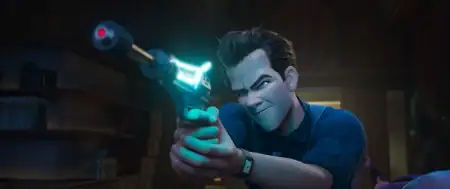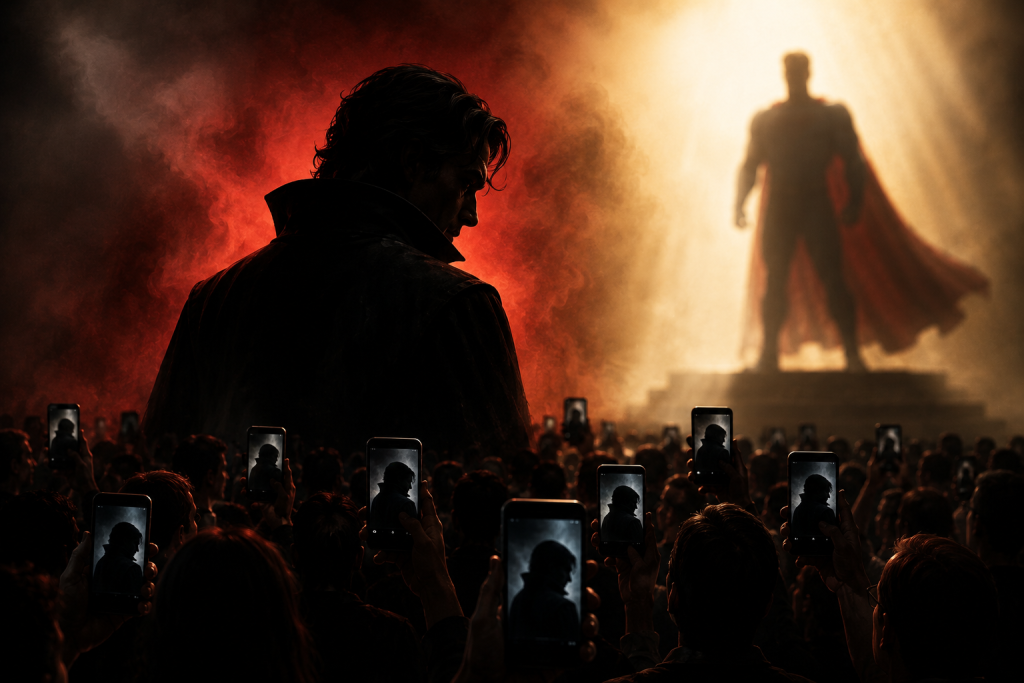
For decades, audiences expected heroes to dominate the conversation after leaving the cinema. They represented courage, integrity, and the triumph of good over evil, while villains existed primarily to create obstacles along the way. Today, however, the landscape of storytelling has changed dramatically. Some of the most talked-about characters in modern films are not the protagonists but the antagonists, whose motivations, personalities, and moral complexity often become the subject of countless discussions long after the credits roll.
This shift does not necessarily mean viewers prefer evil over good. Instead, it reflects changing expectations about storytelling. Modern audiences appreciate layered characters with believable motivations, internal conflicts, and emotional depth. Villains are no longer written simply as obstacles to overcome, they are frequently presented as individuals whose decisions, while ultimately misguided or destructive, are shaped by understandable experiences. As a result, they often become just as memorable as the heroes they oppose.
Modern Villains Feel More Human
Classic cinema often portrayed villains as unmistakably evil from the moment they appeared on screen. Their goals were straightforward, and their personalities rarely extended beyond intimidation or cruelty. While these characters created memorable conflicts, they seldom invited audiences to understand how they reached that point.
Contemporary films take a different approach. Many antagonists are given detailed backstories, personal struggles, and motivations that make their actions psychologically believable, even when they remain morally wrong. Audiences may not agree with their choices, but they often understand the emotions driving those decisions.
This additional complexity creates stronger emotional engagement because viewers are encouraged to consider multiple perspectives instead of simply identifying a clear hero and villain.
Strong Performances Make Antagonists Unforgettable
The growing popularity of movie villains is also closely tied to the actors portraying them. Some performers completely transform themselves for these demanding roles, combining subtle facial expressions, carefully controlled body language, and distinctive dialogue delivery to create characters that remain unforgettable.
Unlike traditional action sequences, many modern confrontations rely on psychological tension rather than physical conflict. A calm conversation, a calculated smile, or a moment of unexpected vulnerability can reveal just as much about a villain as an elaborate action scene. These nuanced performances often become highlights of the film because they create suspense without relying solely on spectacle.
When exceptional writing is paired with outstanding acting, villains frequently become the characters audiences discuss the most after the film ends.
Appearance Helps Shape Memorable Characters
Photo by Rodrigo Rodrigues | WOLF Λ R T on Unsplash
Visual presentation has always played an important role in cinema. Costumes, hairstyles, makeup, and overall styling contribute to how audiences immediately perceive a character before they even speak. Whether a character projects elegance, mystery, confidence, or unpredictability, these details strengthen the storytelling.
Attention to appearance extends beyond fictional characters and into the wider entertainment industry, where actors regularly prepare for premieres, interviews, and promotional events. Beauty resources such as how long do Korean Lash Lifts Last explain what to expect from Korean lash lift treatments, including their typical longevity and maintenance. While entirely separate from filmmaking itself, these kinds of grooming decisions reflect the broader emphasis the entertainment industry places on presentation both on and off the screen.
The combination of visual design and performance helps transform memorable characters into lasting cultural icons.
Audiences Appreciate Moral Complexity
Many modern stories deliberately avoid presenting the world in simple black-and-white terms. Heroes make mistakes, while villains occasionally display compassion, regret, or genuine affection for certain people. This moral ambiguity creates richer narratives that encourage audiences to think critically rather than accepting straightforward answers.
Complex antagonists also challenge protagonists in more meaningful ways. Instead of defeating an obviously evil opponent, heroes must often confront ideas, philosophies, or emotional conflicts that make victory far less predictable. This deeper level of conflict strengthens both characters while making the story more engaging.
As audiences continue seeking emotionally intelligent storytelling, morally complex villains are likely to remain an important part of contemporary cinema.
Great Heroes Still Need Great Villains
Although villains often receive significant attention, their popularity ultimately highlights the importance of strong storytelling rather than diminishing the role of heroes. Every memorable protagonist benefits from facing an opponent capable of creating genuine emotional and moral challenges. Without compelling antagonists, heroic journeys would lose much of their dramatic impact.
The most successful films understand this balance. Heroes inspire audiences through resilience, compassion, and growth, while villains test those qualities by presenting believable obstacles rooted in understandable motivations. Together, they create stories that remain memorable because neither side feels one-dimensional.
Ultimately, movie villains are becoming more popular not because audiences celebrate their actions, but because filmmakers have learned to write them as fully realized characters. Their complexity, emotional depth, and unforgettable performances enrich modern cinema, proving that the strongest stories are built on compelling conflicts rather than simple opposites.

Hi! I’m Bryan, and I’m a passionate & expert writer with more than five years of experience. I have written about various topics such as product descriptions, travel, cryptocurrencies, and online gaming in my writing journey.