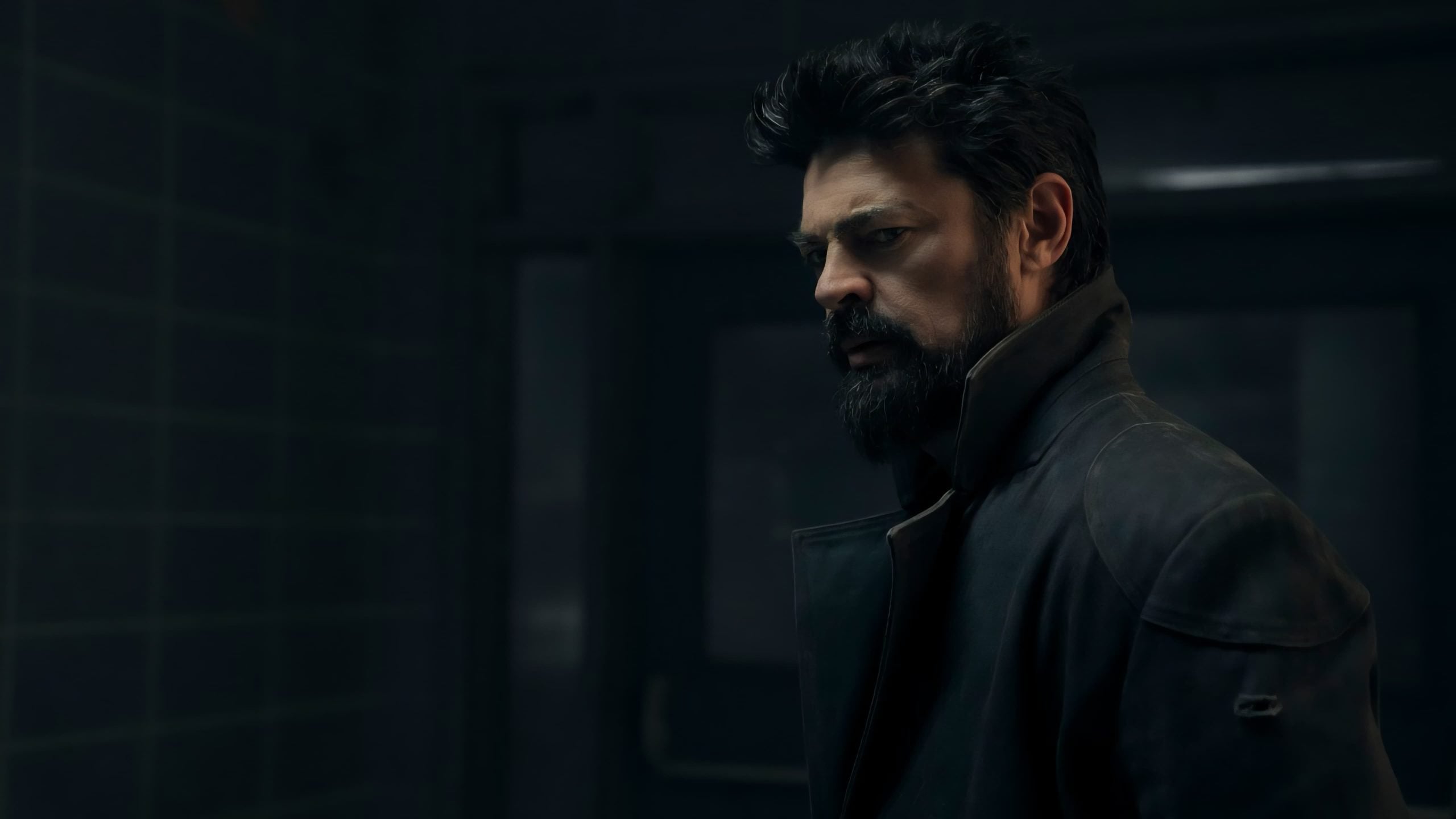
For years, video game adaptations were infamous for disappointing fans with shallow plots, inconsistent character development, and awkward interpretations of beloved franchises. Yet recently, something remarkable has happened: adaptations across film and television are finally succeeding both critically and commercially. In fact, this shift mirrors how other digital experiences—such as aviator demo—have evolved by prioritizing user engagement and narrative quality. The entertainment industry is now taking game-based stories more seriously than ever before, resulting in adaptations that truly respect the source material.
Over the past decade, studios have transformed their approach. Instead of treating games as simple action templates, creators now recognize them as rich narrative universes with dedicated fanbases. With careful adaptation, these stories can transcend the screen they were born on and flourish in new mediums. But why is this change happening now?
The Maturing of Video Game Storytelling
Games Now Deliver Cinematic Narratives
Modern video games often rival films in emotional depth, character arcs, and visual spectacle. Franchises like The Last of Us, God of War, The Witcher, and Mass Effect feature sophisticated writing that naturally lends itself to adaptation.
Earlier adaptations failed partly because they were based on older titles with minimal storylines. Today’s games, on the other hand, are crafted with full narrative teams, motion-captured performances, and character-driven storytelling—making them easier to translate into film or TV.
A Deeper Connection Between Players and Characters
Players spend dozens of hours with protagonists, developing emotional investment that filmmakers can harness. When adaptations understand these relationships—rather than reinventing them—they capture the essence of what makes the game memorable.
Recent creators, unlike earlier ones, actually engage with the source material, sometimes even collaborating with the original writers and developers.
Studios Are Finally Taking Fans Seriously
Respecting the Lore Instead of Reinventing It
In the early 2000s, many adaptations failed because studios altered too much, believing general audiences wouldn’t understand game lore. This often alienated fans and diluted what made the games interesting.
Now, adaptations succeed when they:
- Maintain the original themes
- Keep character personalities intact
- Build on established worldbuilding rather than discarding it
Series like Arcane and Cyberpunk: Edgerunners received acclaim because they honored the materials that inspired them while expanding the worlds in organic ways.
Hiring Creators Who Love the Games
Another major improvement is the involvement of writers, directors, and producers who are genuine fans. When creators understand the games, their adaptations feel authentic rather than opportunistic.
The industry now treats game adaptations like prestige projects, not quick cash grabs.
Improvements in Production Quality
Bigger Budgets and Better Technology
Streaming platforms and major studios are investing heavily in video game properties, recognizing their massive built-in audiences. This results in:
- High-end visual effects
- Advanced motion capture
- Top-tier casting
- Detailed worldbuilding
With more money and talent involved, adaptations naturally achieve a higher standard of quality.
Animation as a Powerful Medium
While live action remains popular, animated adaptations have proven exceptionally successful. Shows like Castlevania and Arcane demonstrate that animation can capture the stylistic energy, action, and emotional nuance of the original games more faithfully than live action.
Additionally, animation avoids the uncanny pitfalls of translating fantastical game worlds into real-life settings.
Conclusion
Video game adaptations are finally getting good because the industry has evolved—both in its respect for game narratives and in its investment in storytelling quality. Modern games provide rich worlds and characters, and studios have learned that authenticity, collaboration, and proper production values are essential for success.
As long as creators continue to treat game stories with care, the future of video game adaptations looks brighter than ever.

Heather Neves is working as a freelance content writer. She likes blogging on topics related to parenting, golf, and fitness, gaming . She graduated with honors from Columbia University with a dual degree in Accountancy and Creative Writing.