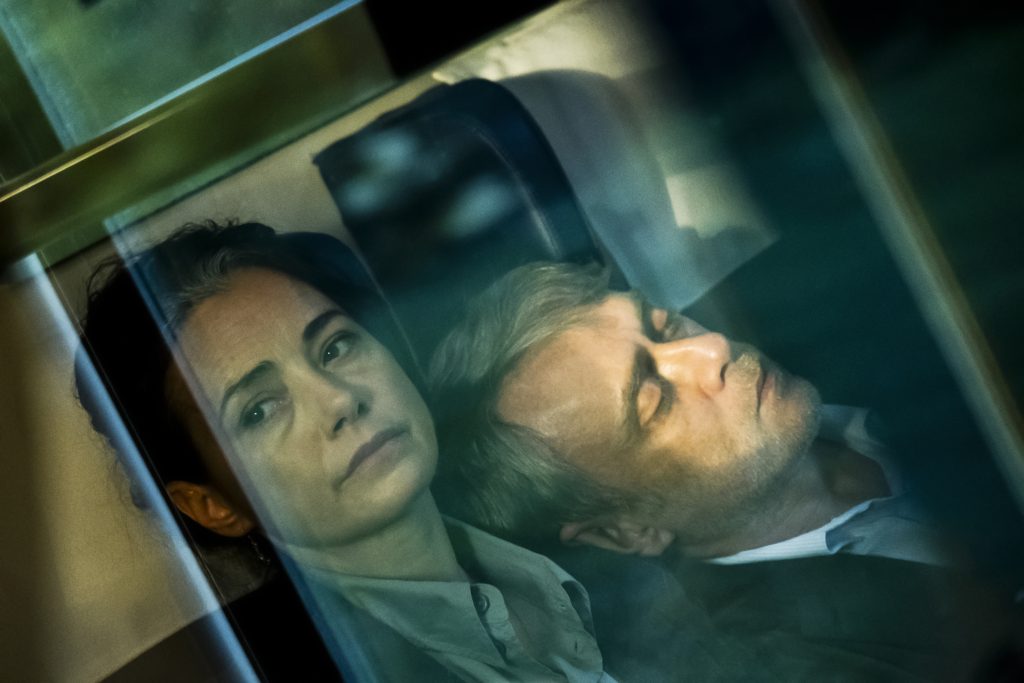
Often, we associate persecution coming in the form of the state taking the lives of those who would speak out. Still, the form often manifests as repression, societal dismissal, and economic pressures. The idea of a civil death, where speaking out against the state causes one to lose their livelihood and status, is at play here. These are the questions at the center of the Yellow Letters, which seeks to answer them by examining the effects on a family. While at times drawn out, the film arrives at an important time. Further, it drives home the point of how far a person or persons is willing to go to express their beliefs. Moreover, the film is a beautiful reminder of the need for artistic expression in the face of raging autocracy.
Imagine an aristocrat taking part in a political protest against the state by signing a petition and then being, at best, dismissed from their work, and, at worst, persecuted for this action. All of this, not for protesting in the streets or defacing public property, but by signing a petition. Now imagine performing a play where the political undertones draw the ire of the state. This is the lynchpin of Yellow Letters, in which a married couple becomes a symbol of state persecution and the face of political rebellion.
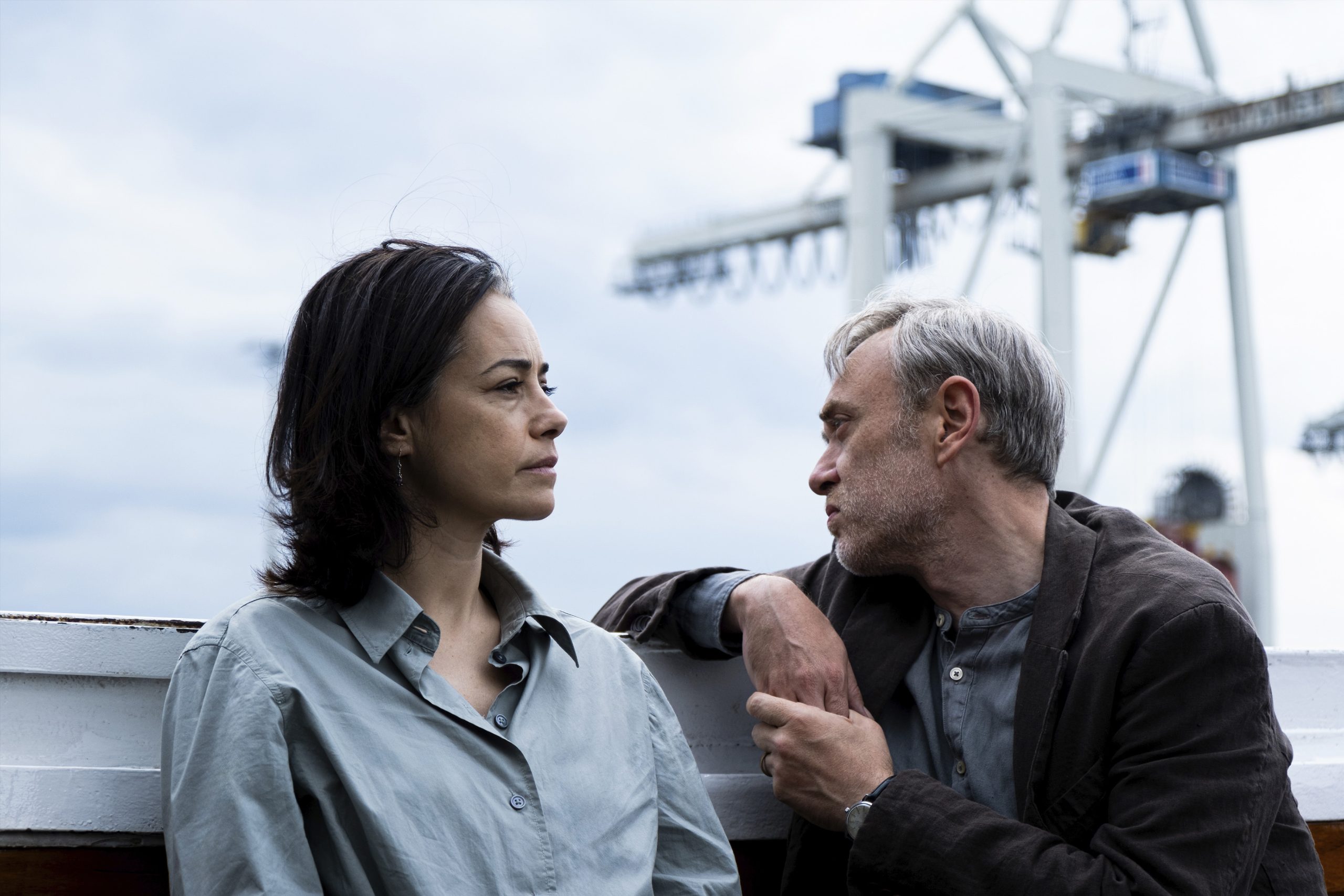
At the start, we meet Derya (Özgü Namal) and Aziz (Tansu Biçer), a celebrated artistic couple living in Turkey. When a controversy arises from their performances, they become persona non grata in their work. The state targets them, plain and simple. They flee their home, causing immense pressure within their family. The biggest strain is on their marriage. The film explores the tragic effects of self-expression and political freedom on a family, particularly a marriage, while balancing life’s necessities.
While the film takes place in Turkey, this story crosses country borders. It is a broader story that speaks to the power of artistic expression in the face of arbitrary governmental power. Part of what makes the story unsettling is how swiftly the actions are taken against Derya and Aziz. One evening, their play performs to applause and appreciation, and the next day, they find themselves in the crosshairs of the state.
Now, it is not the case of jackbooted thugs storming their home and dragging them into the streets. On the contrary, the action against them is through capricious means. They find themselves without work. To make matters worse, the very institution at the core of the matter, the theater and academia, is turning against them and dismissing them essentially without cause. Silly and trite reasons are given for their dismissals, but it of course all stems from the state dictum.
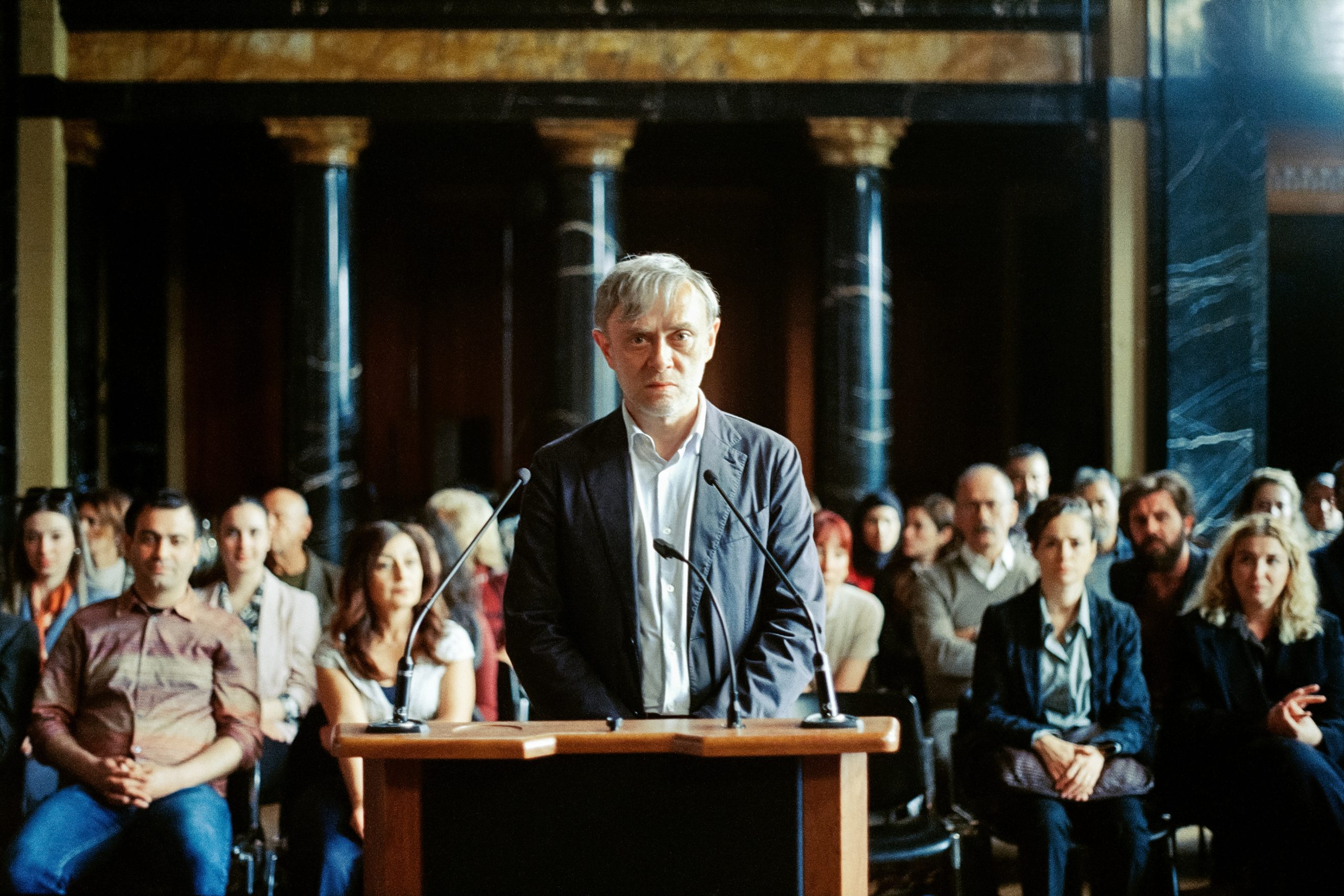
Rather than turn them into political martyrs through show and action, they lose their livelihood and stature. It is a civil death and civil execution, rather than a literal one.
We are living in a time when there is no separation between personal and professional existence and between social and political activism. A decision to speak out against the government, in the most banal of manners, can have consequences for one’s livelihood. And it does not even have to be a direct action from the state. Indirect attacks, such as job loss or becoming a social pariah, can have a far-reaching impact.
The great dilemma facing the couple is whether or not to keep speaking out, and in their case, speaking out through artistic means. In the face of authoritarian fists, one of the great destabilizers is the artists. Here is the reckoning: does one keep fighting for their beliefs and standing up for social justice, even if it means dismantling the family unit and rupturing a marriage?
The choice to center the story on a married couple rather than a single individual is intriguing. In a world where your body is unharmed, but your reputation, your livelihood, and social existence are finished, the question is asked: Is it worth it? Is it worth speaking out? Yellow Letters examines the moral and philosophical complexities that do not lend themselves to straightforward answers. Examining the political pressure through the lens of a marriage put to the brink forces us, the audience, to imagine how we would react in a similar situation. The film forces us to answer difficult personal questions that might otherwise conflict with one’s political or moral standings. Rather than deliver a concise answer, the movie weaves in a morally gray interpretation. The result is fitting and relatable to the world we live in today.
Now, to a detriment, the film is rather long, and at times, brevity might have been a benefit, as the story feels overstretched. However, these complaints are minor. The performances are passionate and raw, and the underlying statement of artistic expression and freedom in the face of autocracy is more than relevant.
The ultimate conclusion and the audience’s likely differing takes on the outcome do speak to the power of rebellion. It is always the artist that the authoritarians fear, and therefore it is the artist who needs protection. The film is a proud declaration of the power artists possess—a power not only to affect but to effect change.
Yellow Letters had its World Premiere in the Competition section of the 2026 Berlin International Film Festival.
Director: İlker Çatak
Writers: İlker Çatak, Ayda Meryem Çatak, Enis Köstepen
Rated: NR
Runtime: 128m
The film forces us to answer difficult personal questions that might otherwise conflict with one's political or moral standings. Rather than deliver a concise answer, the movie weaves in a morally gray interpretation. The result is fitting and relatable to the world we live in today.

Writing & podcasting, for the love of movies.
His Letterboxd Favorites: The Dark Knight, Halloween, Jaws & A Christmas Story.