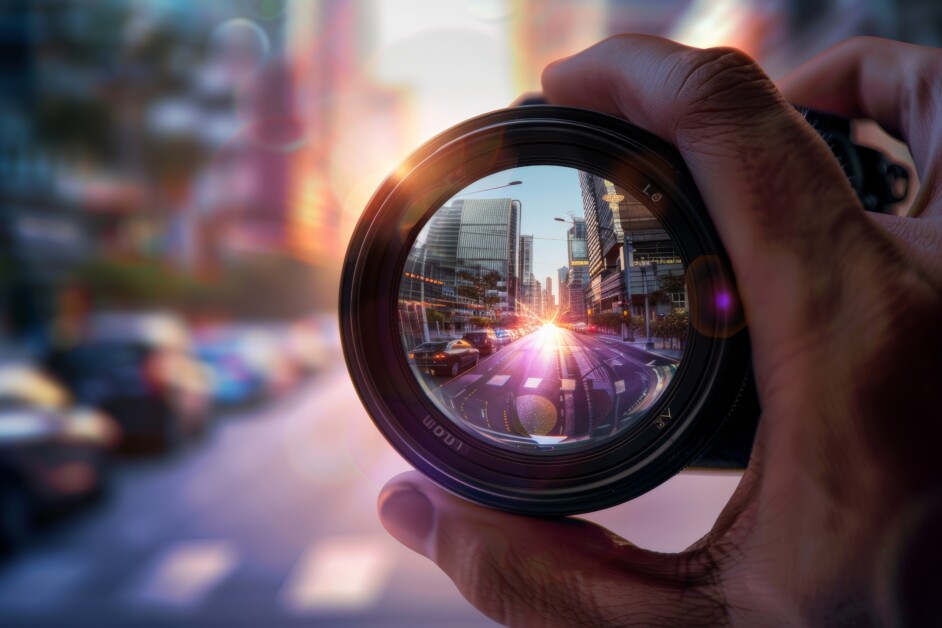
When you’re planning a trip, you probably think about the places you’ll visit, the food you’ll try, and the experiences you’ll bring back home. But when it’s time to take photos, you might feel unsure about which lens will help you capture the moments the way you imagine them. Travel photography can be tricky because every place is different.
One minute you’re shooting a big landscape, and the next, you’re trying to take a close-up of a small detail that caught your eye. If you’ve ever felt confused about which lens to pack, you’re not alone. Choosing the right one can make your photos sharper, brighter, and more meaningful, and the tips below can help you make a better choice.
1. Think About How a Lens Fits Your Style
Before choosing a lens, you should understand the type of photos you like to take. Some people love shooting wide city scenes, while others prefer portraits or zooming in on faraway subjects.
When you explore a collection of lenses like the ones found at https://www.georges.com.au/collections/lenses, you can see how each option serves a different purpose. If you enjoy landscapes, a wide-angle lens helps you capture more of the scene. If you like details or wildlife, a telephoto lens might be better for bringing distant subjects closer.
2. Pick a Lens That Works Well in Changing Light
Travel usually means dealing with all kinds of lighting—from bright afternoons to dim indoor spaces. That’s why choosing a lens with a lower f-stop can help you take clearer photos in low light.
When a lens has a wider aperture, it allows more light in, which makes your pictures look brighter without using flash. If you often shoot indoors or early in the morning, a lens with an f-stop like f/1.8 or f/2.8 can make a big difference.
3. Consider How Much Weight You Want to Carry
Traveling with heavy equipment can slow you down and make photography feel like a chore. If you prefer something light and easy to pack, you might want a compact prime lens. These lenses are usually smaller, sharper, and perfect for walking around all day without feeling tired.
On the other hand, if you want flexibility, a zoom lens covers multiple focal lengths in one piece of gear. Even though zoom lenses can be heavier, they keep you ready for different kinds of shots without switching lenses all the time.
4. Look for Versatility When You’re Unsure What You’ll Shoot
Some trips take you through many different environments—city streets, mountains, beaches, and markets. In those cases, a versatile lens can make your work easier.
Lenses with mid-range zoom, such as 24–70mm or 18–105mm, are popular because they let you switch between wide and closer shots quickly. If you’re visiting a new place for the first time and don’t know what to expect, having this flexibility helps you adapt to any scene without missing a moment.
5. Choose a Lens That Matches Your Camera System
Every camera brand has its own mounting system, so compatibility matters. Before buying a lens, make sure it fits your camera body so you avoid issues while traveling. Thinking about long-term use also helps.
If you plan to grow your photography skills, choosing a lens that works with future upgrades can save you money later. When the lens and camera match well, you get better focus, smoother performance, and images that reflect the effort you put into capturing your journey.

Amanda Lancaster is a PR manager who works with 1resumewritingservice. She is also known as a content creator. Amanda has been providing resume writing services since 2014.