

Bring the big screen to your next gaming session with movie-themed games that put you in the action.

Amanda Lancaster is a PR manager who works with 1resumewritingservice. She is also known as a content creator. Amanda has been providing resume writing services since 2014.
Bring the big screen to your next gaming session with movie-themed games that put you in the action.
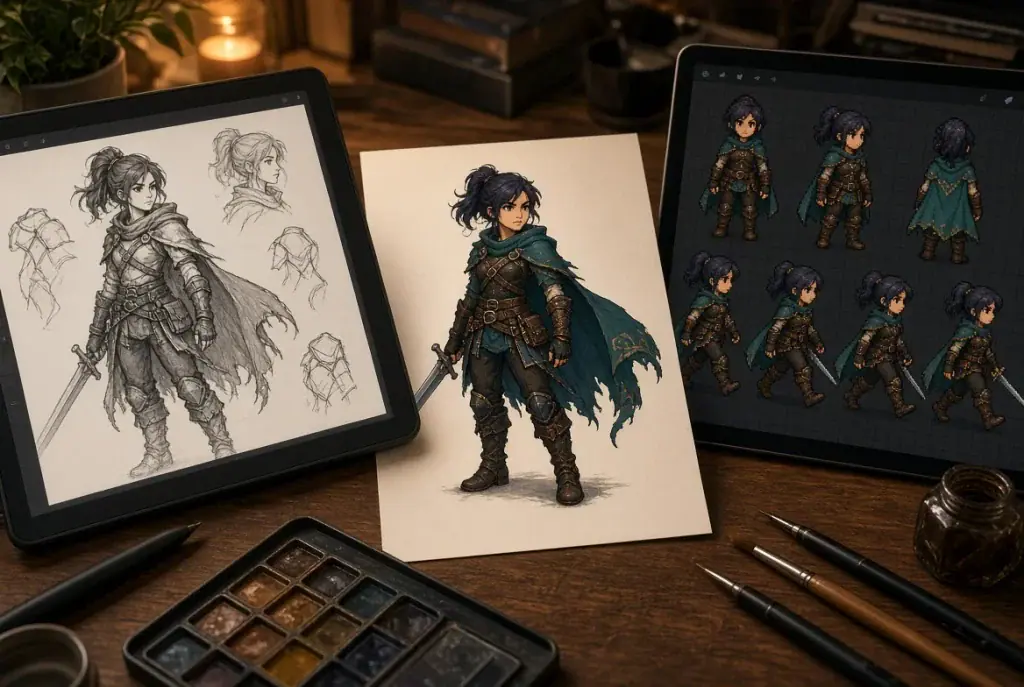
A practical workflow that takes an indie RPG character from concept art to a playable sprite — design, animation frames, and getting it into the engine.
Video game adaptations used to be a gamble. Now they’re reshaping what studios greenlight for movies and television, turning game IP into flagship franchises across both.
Digital marketing reaches people on screens. Radio ads still reach the rest — and often with higher trust. Here’s why both belong in a successful advertising strategy.
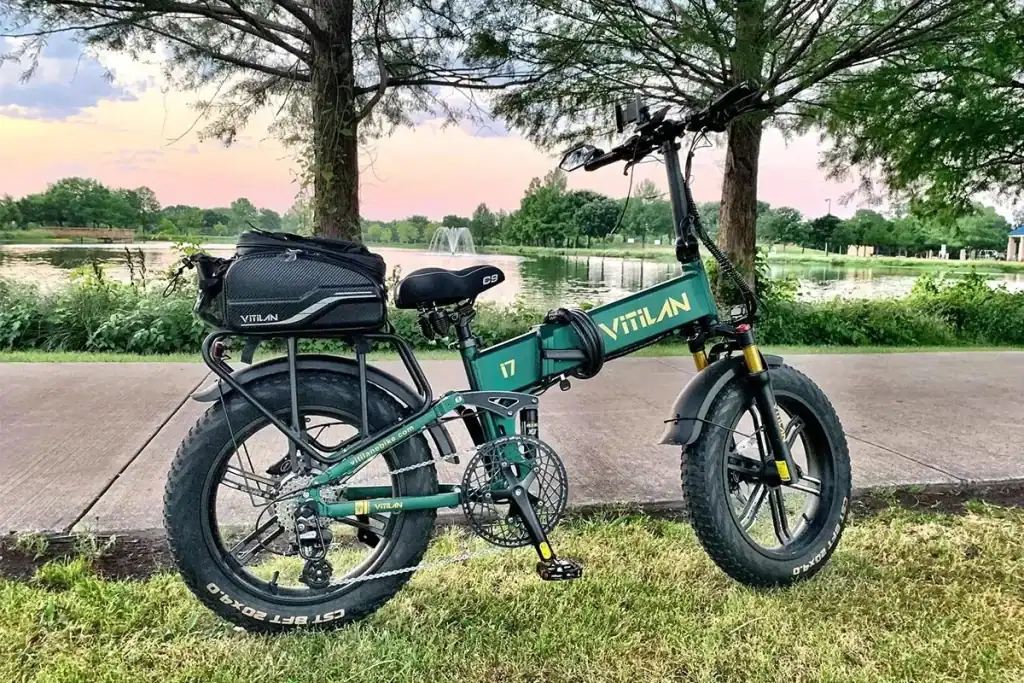
A bike that folds sounds like a straightforward answer to limited space. Add electric assistance, and that tidy idea raises more questions about what convenience actually means. Folding electric bikes deserve a closer look beyond their compact silhouette.
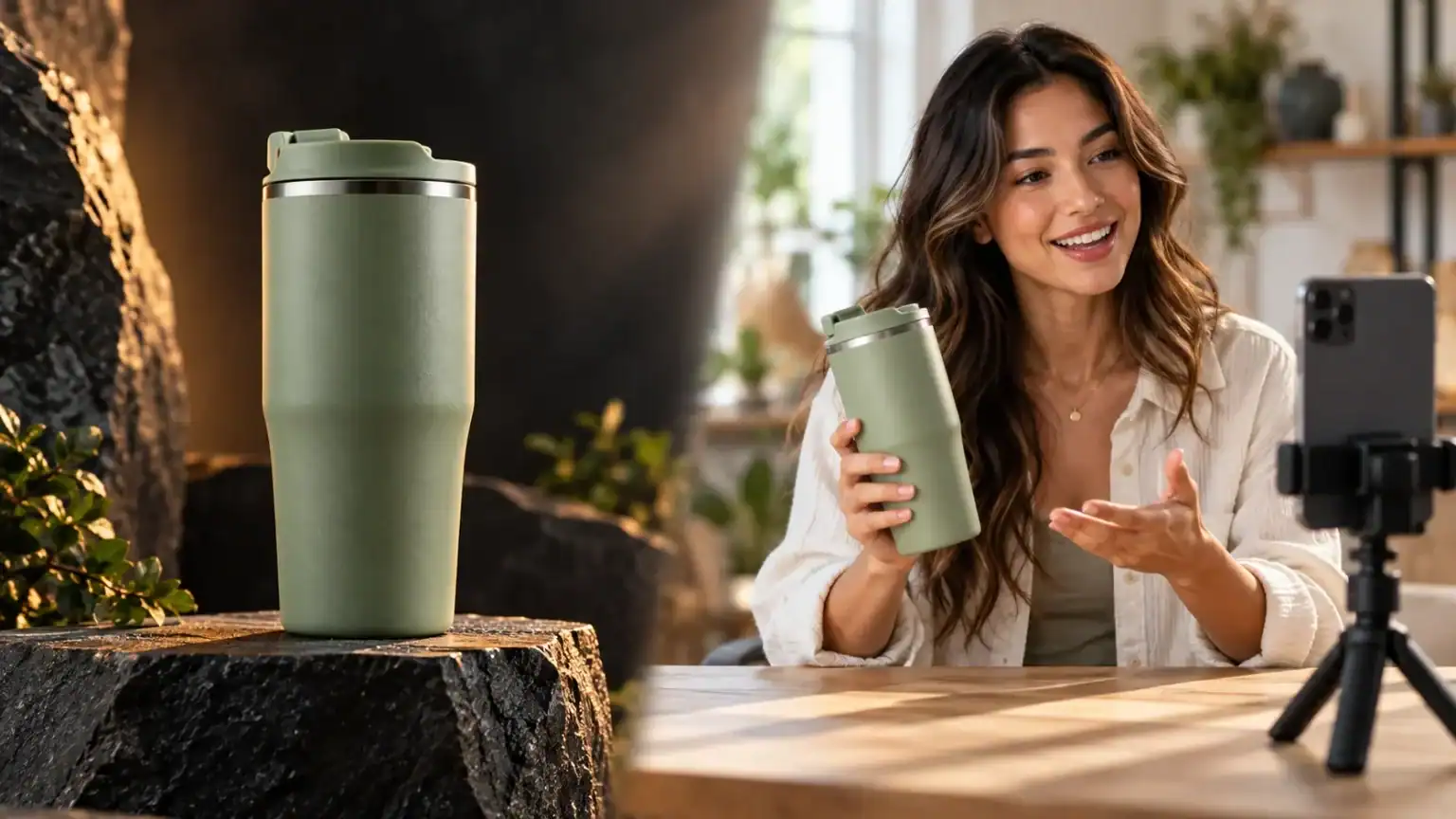
A sweeping product close-up and a direct-to-camera explanation tell different stories—even when they feature the same product. Choosing between cinematic and conversational presentation starts with what viewers need to see, understand and feel.

Crime shows jump from a swab to a match. Real DNA evidence goes through a drying room, a backlog, and a chain of custody TV never shows.
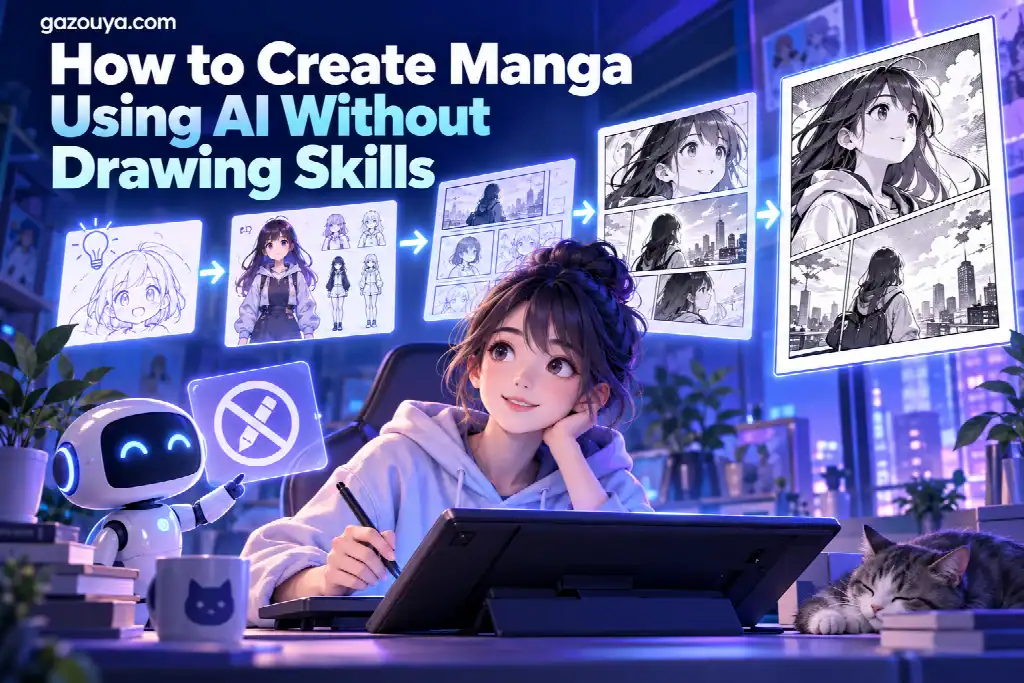
You know what your character wants to say, but drawing the scene is another matter. Creating manga with AI starts with breaking that idea into moments readers can follow. Plan the panels, keep characters recognizable, and give dialogue room to breathe as you build the page.

A glowing concept on a screen is only the beginning. A neon sign also has to fit its space, communicate clearly, and make sense as a physical object. The debate over AI’s role turns on that gap between generating an attractive image and designing something ready to build.
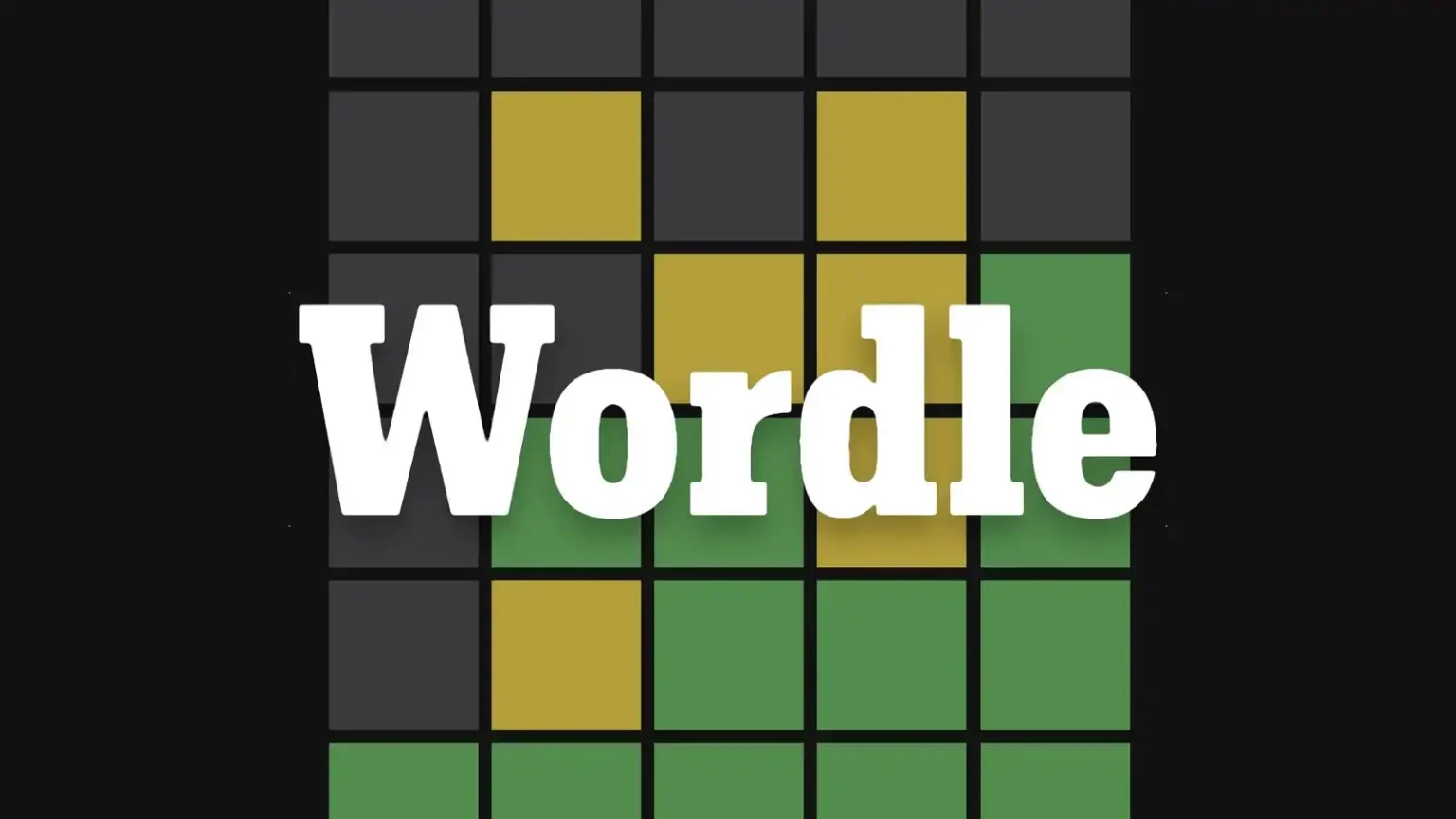
Worduel turns the five-letter puzzle into a 1v1 duel: one shared board, 45 seconds a move, ranked play, friend rooms and 13 languages, free with no ads