

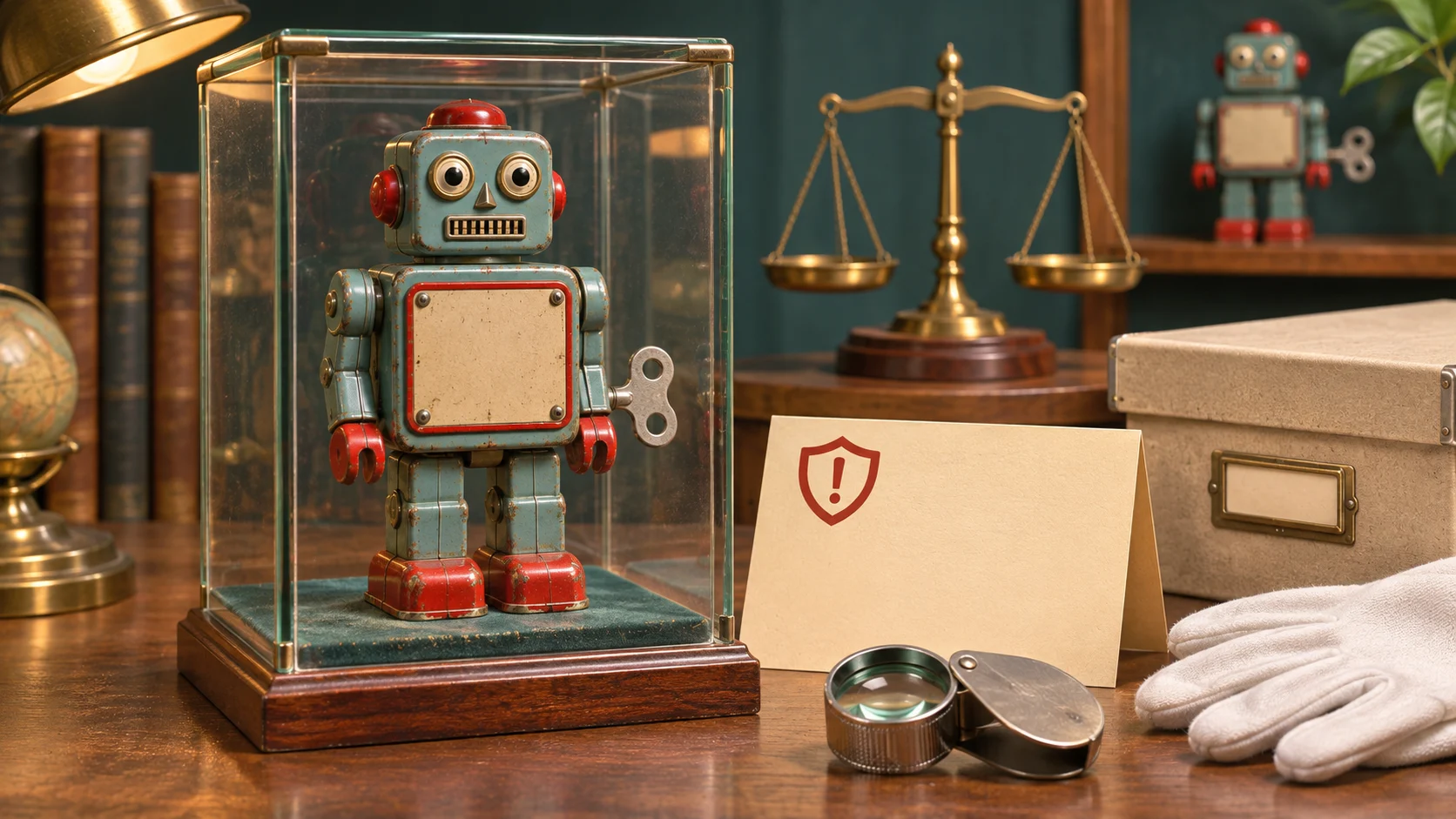
Every few years a toy gets pulled from shelves. A paint formula fails a safety test, a small part breaks loose, a licensing deal collapses. Within days the listings appear, and prices climb on the assumption that fewer units means more money later. Sometimes that holds. Far more often the spike fades within a year. Recalls are useful precisely because they isolate scarcity from everything else, and show what actually drives long term collectible value.
Scarcity alone has never been enough
A recall removes units from circulation, which looks like the textbook definition of rarity. The problem is that rarity only matters when people want the item in the first place. Plenty of obscure figures exist in tiny numbers and sell for almost nothing. Compare that to a special edition diecast from a well followed line, which stays liquid for decades because a stable group of buyers watches every release. Demand comes first, scarcity second.
The three year test
Recall driven prices follow a predictable curve. News breaks, listings jump, speculators buy, and within six months the sellers outnumber the buyers. The useful question is where the price sits three years later. Items that keep their gain almost always belong to a line with an active collector base and ongoing releases. Items that collapse were bought by people who had no interest in the toy itself.
Condition beats story every time
Collectors pay for grade, not for anecdotes. A sealed example with sharp corners and an unbroken blister can be worth several times a loose one from the same run. Recalls make this gap wider, because the surviving sealed units are the ones buyers were told to return. Keep the packaging, keep the inserts, and store everything away from sunlight and attic heat.
What graders actually look at
Corner sharpness, blister clarity, centring of the card, print quality and the absence of creases or price sticker residue. None of this relates to the toy inside. A figure in flawless condition sitting on a bent card drops a full grade, which can mean a large difference at resale. Handle items by the edges and never try to remove a sticker with heat.
Documentation turns a claim into a price
Anyone can say an item came from a recalled batch. Proof is what buyers pay for. Keep the receipt, the original shipping label, any manufacturer notice, and photograph the lot codes stamped on the packaging. Serial ranges often identify which production run an item belongs to. Without that paper trail, a recalled piece sells at the same price as a standard one.
Watch the line, not the single item
The healthiest signal is a manufacturer that keeps producing, keeps licensing recognisable subjects and keeps a community talking. A line that stops releasing loses its audience within a few years, and prices across the whole catalogue drift down together. Before chasing one scarce piece, look at whether the brand behind it still has momentum. That single check filters out most bad buys.
Buy what you would keep anyway
The collectors who do best over long periods rarely treat their shelves as a portfolio. They buy subjects they like, in the best condition they can afford, and hold for years rather than months. That approach removes the pressure to sell into a crowded market, and it means a flat price does no real harm. Appreciation becomes a bonus instead of the entire point.

Amanda Lancaster is a PR manager who works with 1resumewritingservice. She is also known as a content creator. Amanda has been providing resume writing services since 2014.