Jump scares are easy. A loud sting, a white face, a controller rumble, and the player flinches before laughing at the trick. The harder work is quieter. Uncomfortable horror grows in the corner of the screen, in a hallway that feels three steps too long, or in a menu sound that seems copied from a broken hospital pager. Players notice patterns even when they do not name them. On a desk, the prop sat between mildew stains, child stickers, and a receipt dated 03:17, which was too precise. One playtester once compared a fake banner in a haunted arcade to a casino online pop-up for boomerangbet casino calling itself the best pick, because the friendly sales language made the corpse-lit room feel worse. The joke landed. Then nobody laughed. A minute later, another screen showed a list of casino sites beside https://casinosslovenija.si/, all supposedly reviewed by smiling users, and the normal internet clutter felt almost infected.
Rooms That Refuse to Sit Still
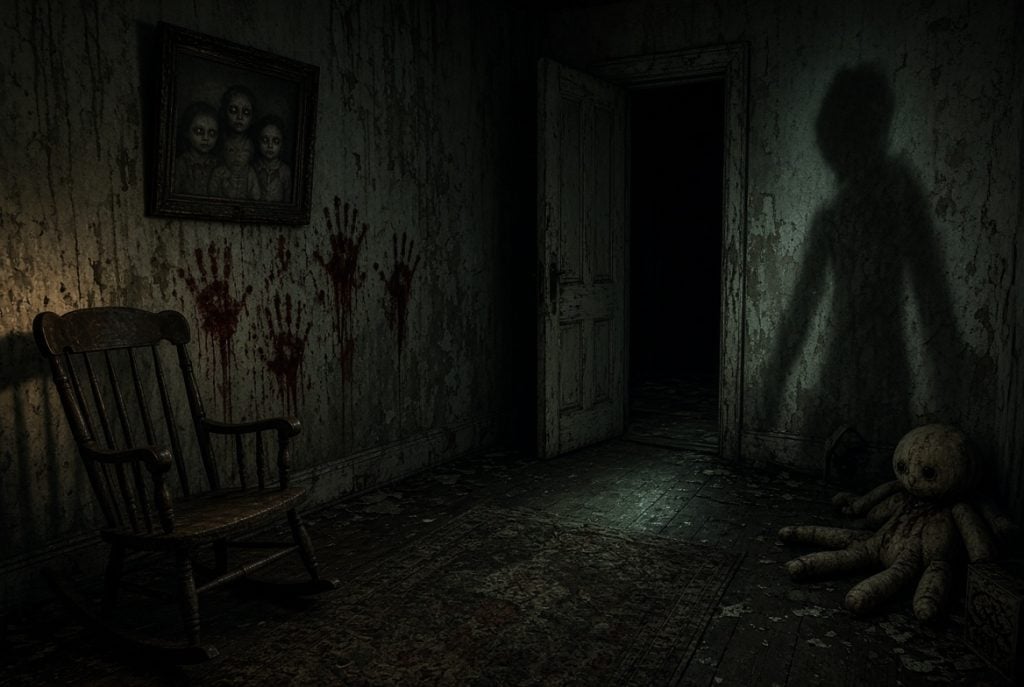
Good horror rooms lie, but only a little. A chair changes angle after the player reads a note. A family photo gains one wet fingerprint. The ceiling fan keeps turning after the power box is pulled. Tiny breaks like that make the player spend energy checking the room instead of trusting it.
Silent Hill 2 did this with dirty walls and shapes that almost looked human. Anatomy was suggested, then denied. Amnesia used darkness less as a blanket and more as a measuring stick; one step into black space felt like agreeing to lose control. Indie games copy the trick badly when they just add grime to every surface. Grime alone gets boring.
The stronger choice is restraint. One clean tile in a bathroom full of rot asks a sharper question than one hundred brown stains. Why is that tile clean?
Sound That Feels Slightly Misplaced
Audio makes players nervous before the monster earns its entrance. A footstep in the left speaker, while the hallway is empty, trains the brain to doubt its own map. The trick works best when the sound is almost normal: a refrigerator hum with a second pulse under it, a baby monitor clipping at the edge of speech, rain that stops for half a second too long.
Dead Space used metal groans like an argument between the ship and the player. Alien: Isolation went smaller. The tracker chirp was useful, then hateful, because it placed danger in the hand. Click. Breathe. Hide.
Silence needs care too. If a game removes every sound before a scare, the player spots the setup. Better to leave one harmless noise running, such as a fluorescent buzz, then let it wobble once.
Interfaces That Behave Like Nervous Hands
Menus can make a game feel unsafe without adding one enemy. Resident Evil’s old inventory screens clicked like hard plastic, then forced players to count bullets under pressure. Pathologic 2 made text boxes feel sick by making every choice sound a little wrong. Even a save icon can carry dread if it appears in the wrong place, such as a child’s bedroom where the player has no memory of saving.
The trick is friction with a reason. A map that jitters during a storm tells a story. A map that is hard to read because the font is cute just annoys people. Same tool, different result.
Horror interfaces should feel touched by the fiction. Blood on a health bar is lazy. A health bar that forgets its own number after the character is poisoned is meaner and much more personal.
NPCs Who Almost Act Normal
People in horror games fail in tiny ways, and those failures stick. A shopkeeper repeats a greeting with the same smile after the town alarm starts. A mother talks about breakfast while standing in ankle-deep water. An enemy that sprints is scary for ten seconds. A neighbor who slowly turns his chair to face a wall is harder to shake.
The best discomfort comes from broken social rules. Eye contact lasts two beats too long. A character answers a question nobody asked. Names are spoken before introductions. Players read those cues quickly because real life taught them to do it at bus stops, offices, and late-night kitchens.
Motion matters here. Low frame-rate twitching is cheap if every ghoul does it. Give one nurse a hand that scratches the same spot until the skin shines, and the room changes. Give a child character shoes that squeak on dry carpet, and the player listens for the next step.
Before adding another scream, a designer could test one small change: what ordinary detail would make this safe room feel rude? Try it with the lights on first, then again at midnight with headphones. No monster needed.

Tyler Harrison is a huge horror movie fan always on the hunt for the next big scare. His reviews offer deep insights into classic slashers and the latest releases, exploring themes and innovative techniques. Tyler’s passion for horror makes his perspective essential for any enthusiast.