

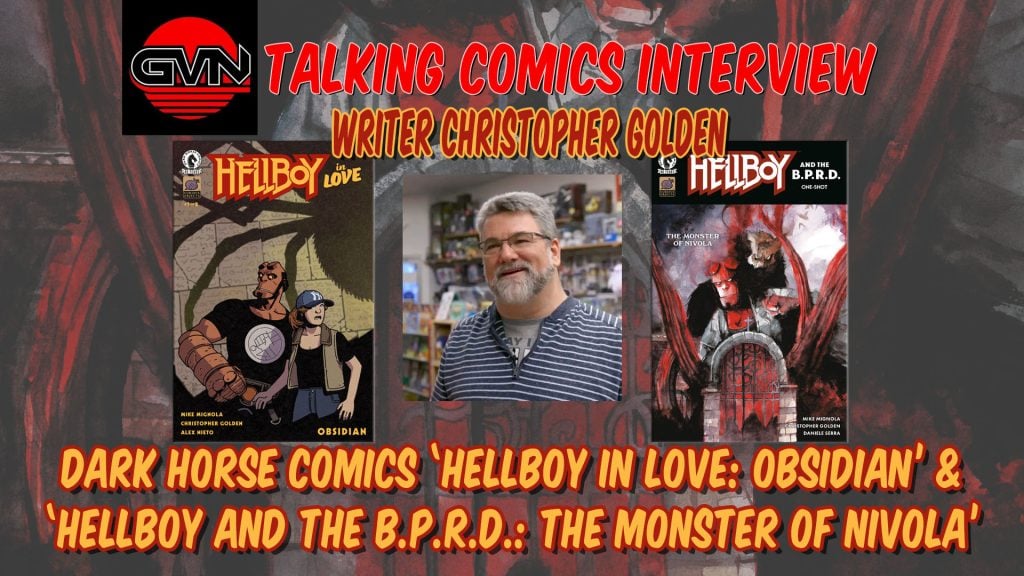
Christopher Golden has long been one of the defining voices shaping the emotional and mythic contours of the Hellboy universe, and 2026 finds him returning with two wildly different but equally compelling visions of Big Red. First up on June 17th is Hellboy in Love: Obsidian, a globe‑trotting, heart‑on‑its‑sleeve adventure that reunites Hellboy and Anastasia in a story steeped in danger, longing, and the kind of pulpy romance only this duo can ignite. Paired with the kinetic, expressive artistic storytelling of Alex Nieto, Golden pushes their relationship into new territory while keeping the sparks—and the stakes—high.
Next, releasing June 24th, Golden shifts gears for Hellboy and the BPRD: The Monster of Nivola, a moody, folklore-driven one‑shot co‑written with Mike Mignola and brought to life through the haunting, painterly vision of Daniele Serra. It’s a story that leans into atmosphere and unease, expanding the BPRD’s world with a creature tale that feels both timeless and freshly unsettling.
In this recent conversation, Golden digs into the craft behind both projects—how he balances romance and ruin, how collaboration shapes the stories’ emotional cores, and what it means to keep adding new layers to a universe with such a fiercely devoted readership. As a bonus, we discuss his upcoming Novel, “Carry Me to My Grave,” which drops on July 20th. So let’s welcome back Christopher Golden to GVN Talking Comics.
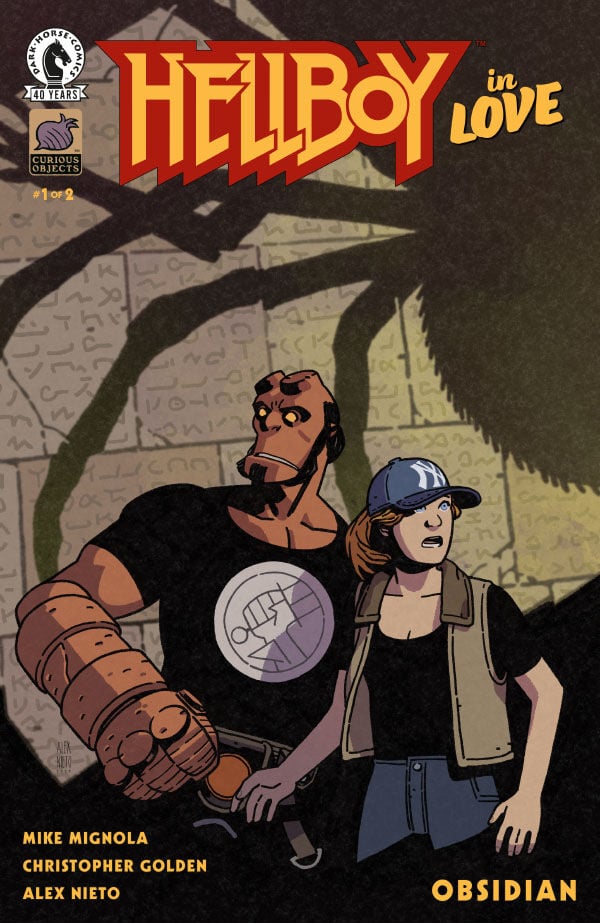
Hellboy in Love: Obsidian
GVN: Thank you once again for spending a little time with us, Christopher. This is our 6th conversation. I’m pretty sure there should be a set of steak knives or a toaster being given at this point. Darn those budget restraints. So, let’s jump right in since you have some exciting projects coming, starting with “Hellboy in Love: Obsidian,” coming June 17th.
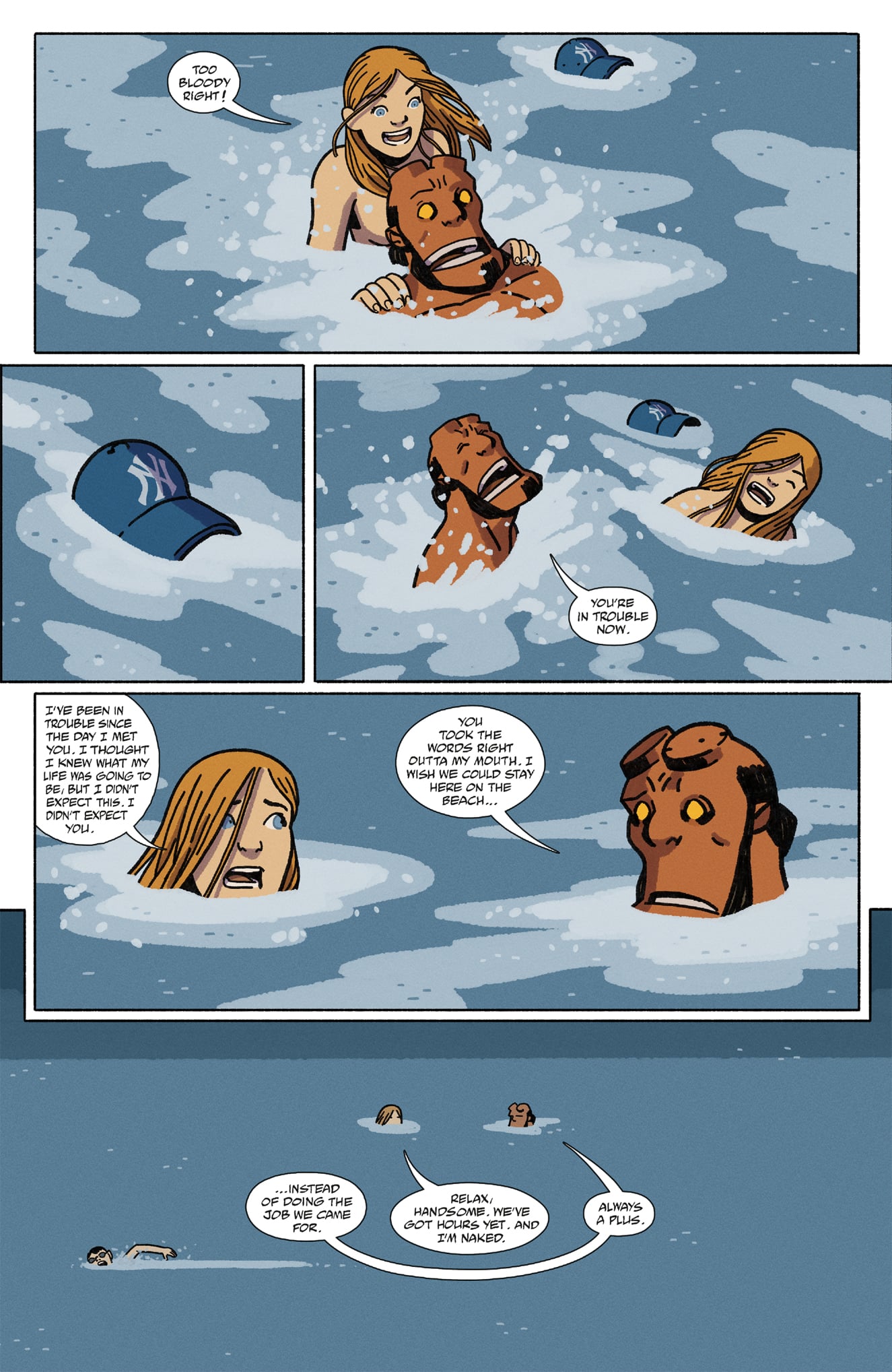
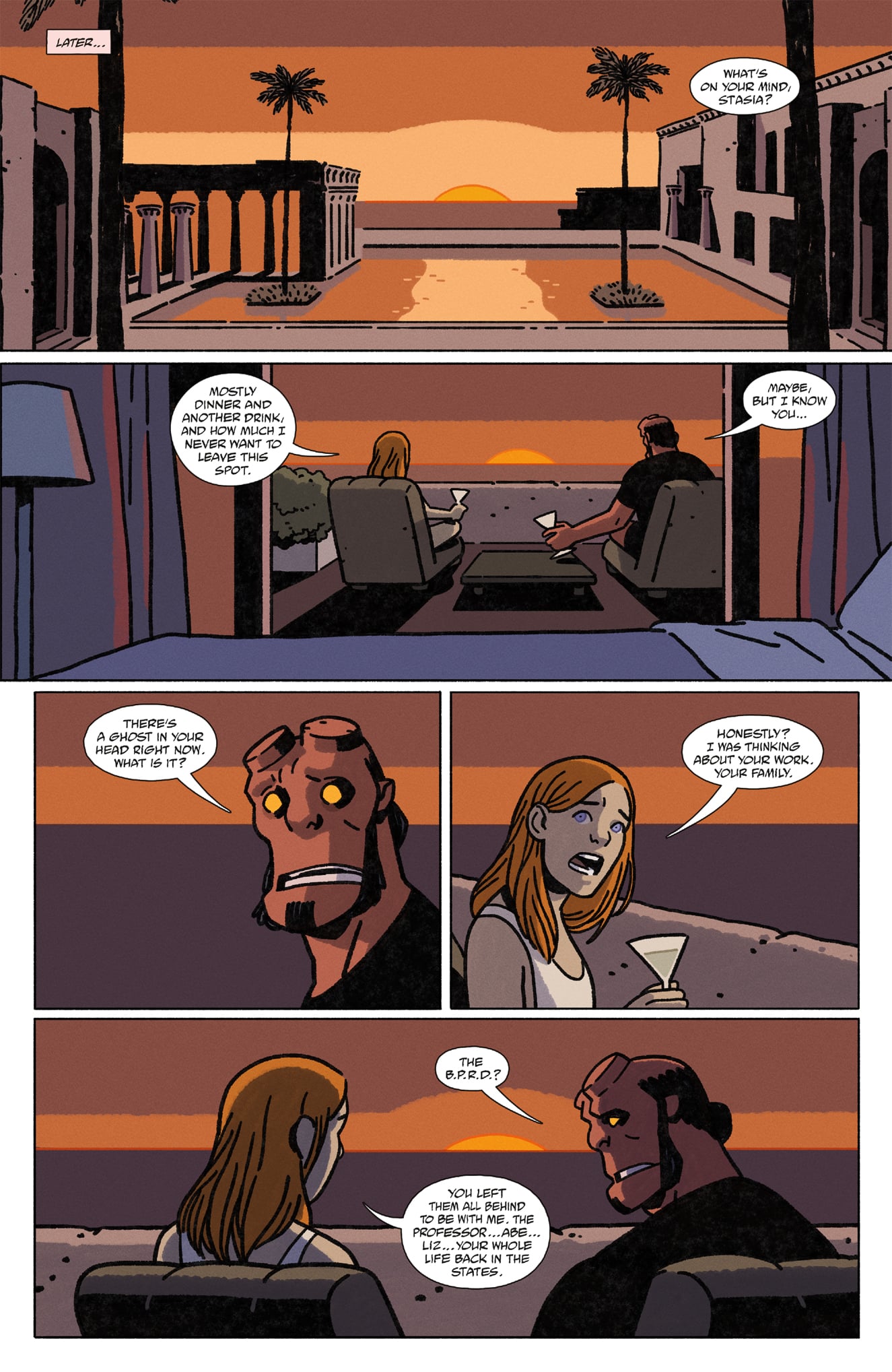
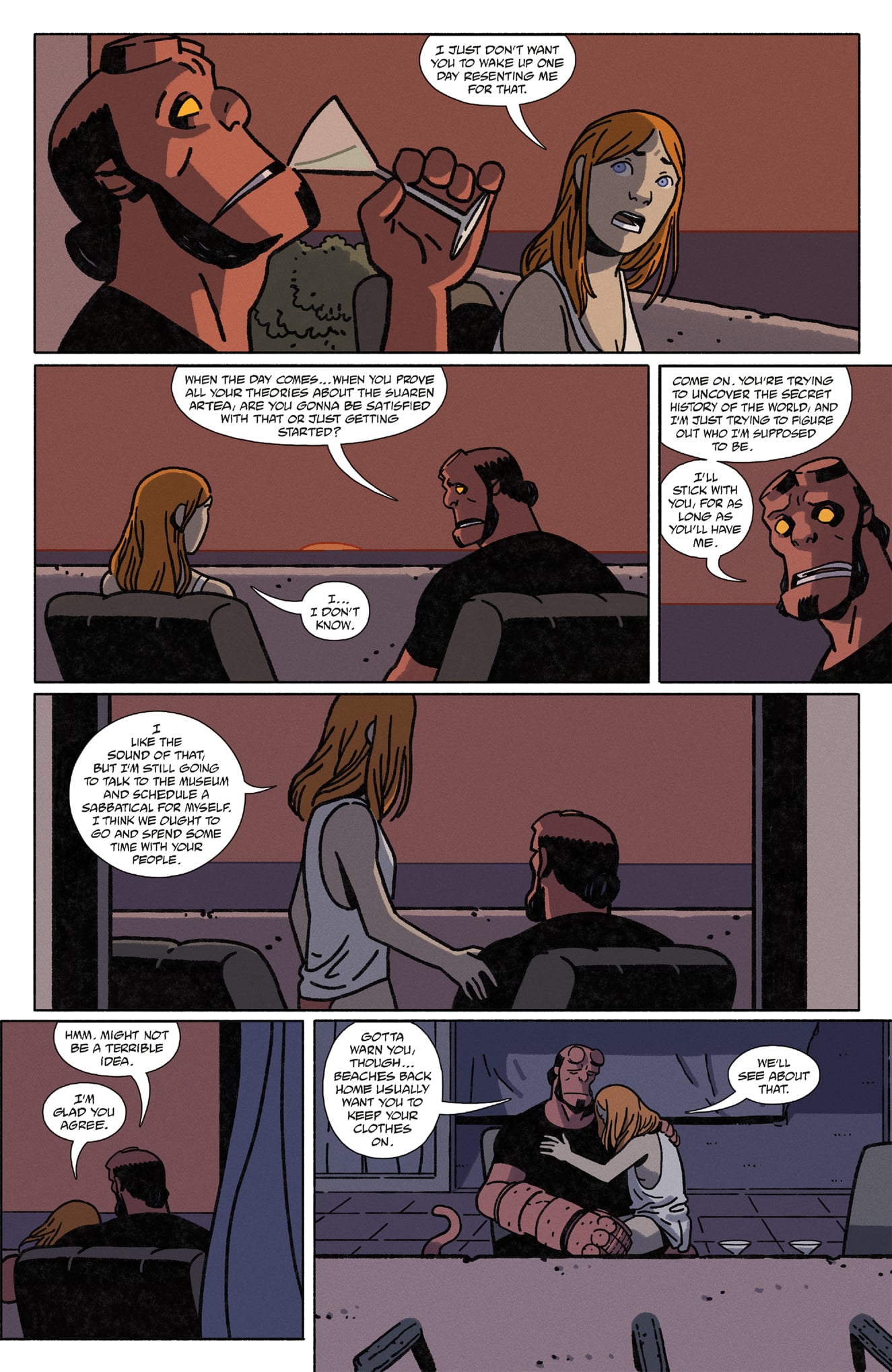
Hellboy in Love: Obsidian reunites Hellboy and Anastasia in a story that blends romance, adventure, and supernatural danger. What new emotional or thematic territory were you most excited to explore in this next chapter of their relationship, and how did Alex Nieto’s art influence the tone you aimed for?
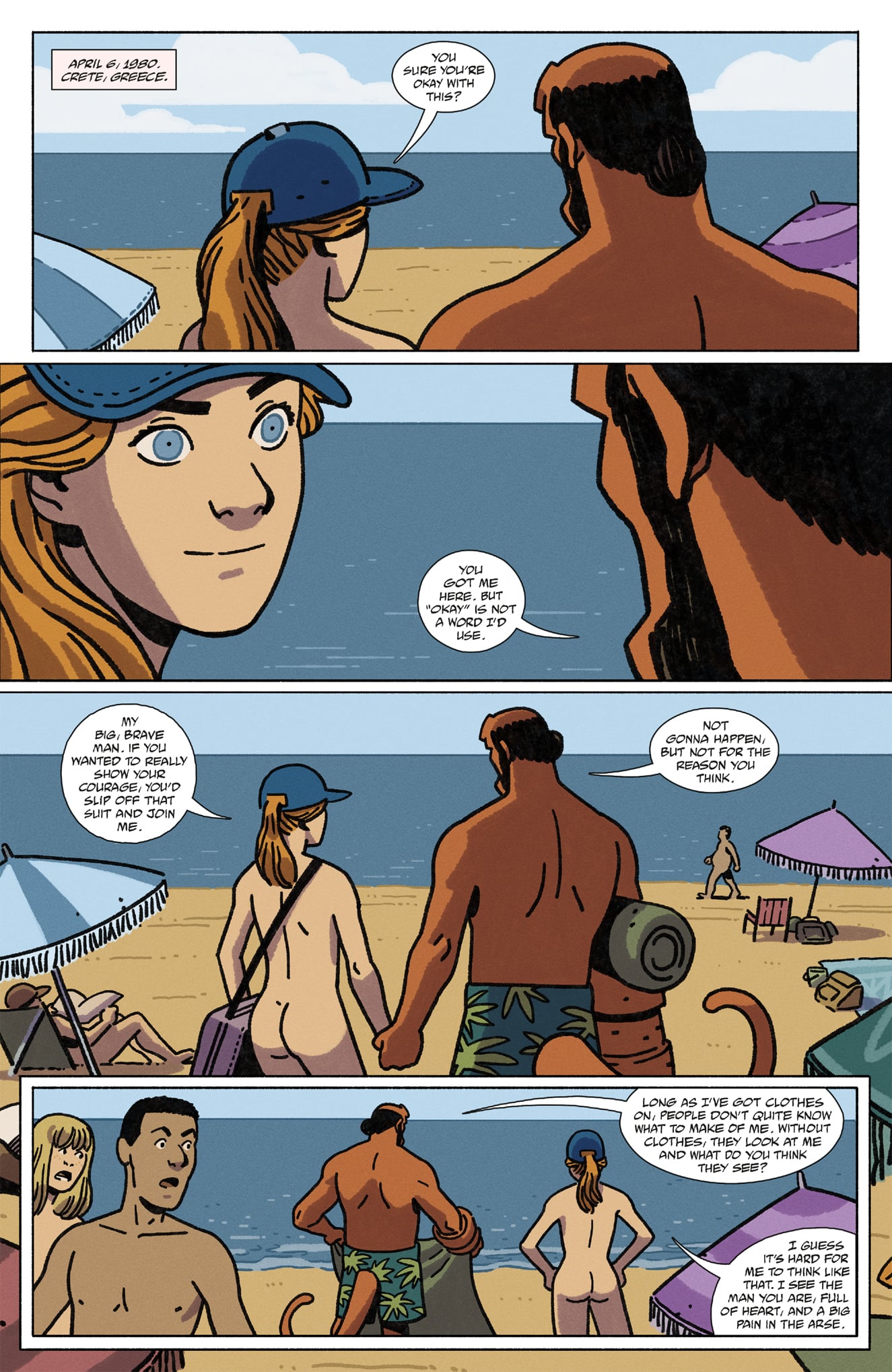
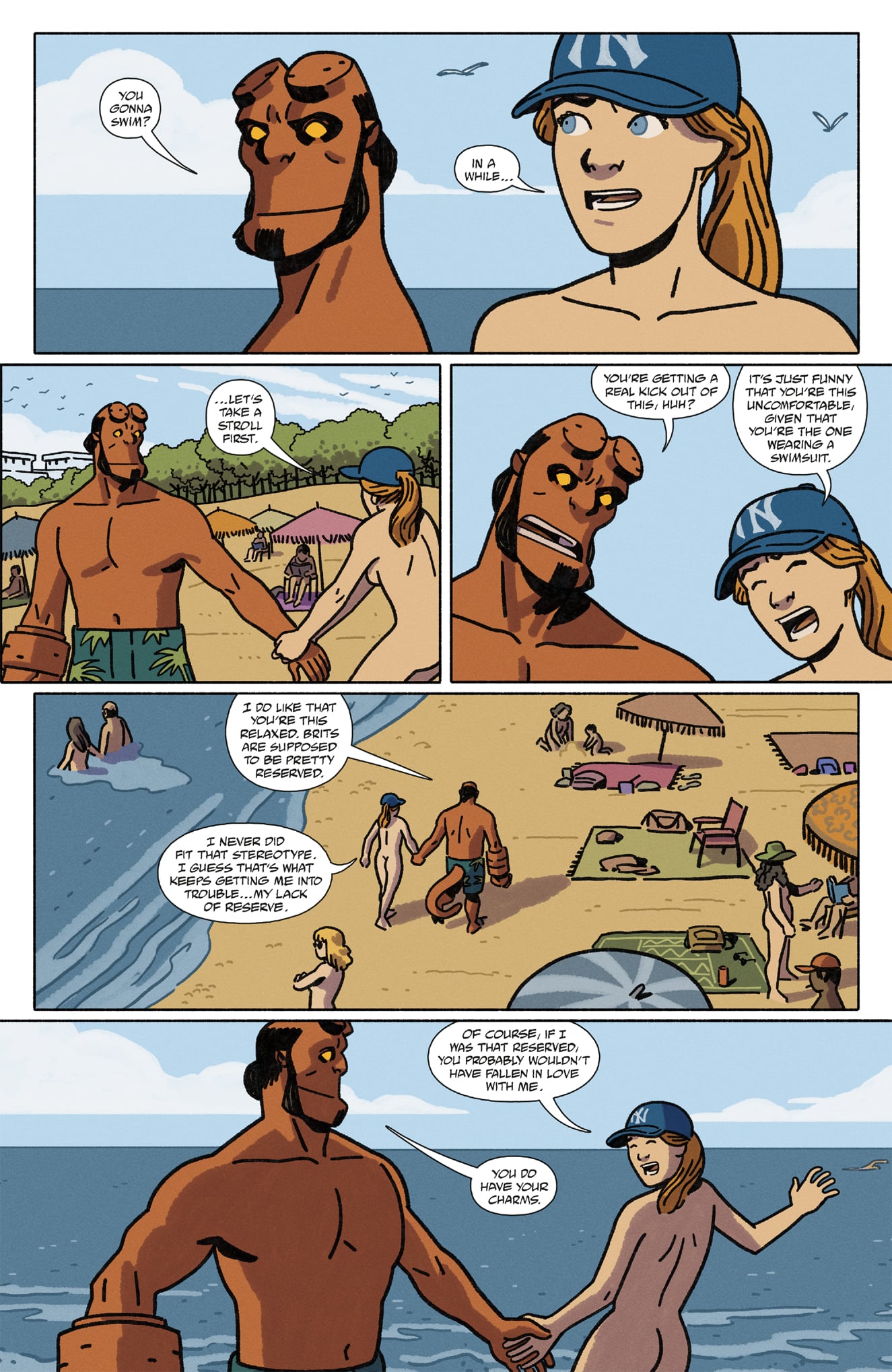
CG: Obsidian is really the most vital turning point in the arc of their relationship. A version of these events was described in my novel HELLBOY: THE DRAGON POOL, but we only got to see little bits of it, and that version is no longer canon. What unfolds here is, to me, the perfect example of a Hellboy in Love story. We start with Hellboy and Anastasia in what is probably the most vulnerable environment we’ve seen them in. It’s the most that Hellboy has allowed himself to really relax and just be the guy he wants to be, the boyfriend he wants to be, the partner he wants to be. Anastasia’s work has always paralleled his, in a way, which is how they met in the first place. It’s gotten her into trouble, and his has gotten him into trouble–that’s their baggage, but they have matching baggage, so it really works. But things are starting to change. Not only is he complicating her life and her reputation in her field, but he’s starting to think she’s in more danger because he’s around, instead of less. She would disagree, of course. But this is where the story is leading, and this two-parter is also the culmination of a lot of the background plot, the simmering evil, that’s been going on since the very first issue. As for Alex…he’s so good, isn’t he?
The Chemistry of Hellboy and Anastasia
GVN: Hellboy and Anastasia have a chemistry that’s equal parts charm, tension, and history. How do you balance their personal connection with the pulpy, high‑stakes action that defines the series?
CG: Honestly, I just think of them as real people. They’re living their lives, trying to be good partners to each other, trying to make room for their relationship in the midst of all this chaos, but their work and their travels bring them into these situations very naturally, and then they get swept up in all that pulp action and supernatural terror.
The Art of Alex Nieto
GVN: Alex Nieto brings a kinetic, expressive energy to Obsidian. What aspects of his visual storytelling most surprised or inspired you as the scripts evolved?
CG: When Alex first came on the book, I wondered if his style–which can be so fun, so sweet–would undercut some of the emotional core of the series, but instead, he really delivers these incredible moments. He manages to get such humanity into the pages, and this series wouldn’t work with a lesser artist. I’m truly thrilled to have him.
Hellboy and the BPRD: The Monster of Nivola
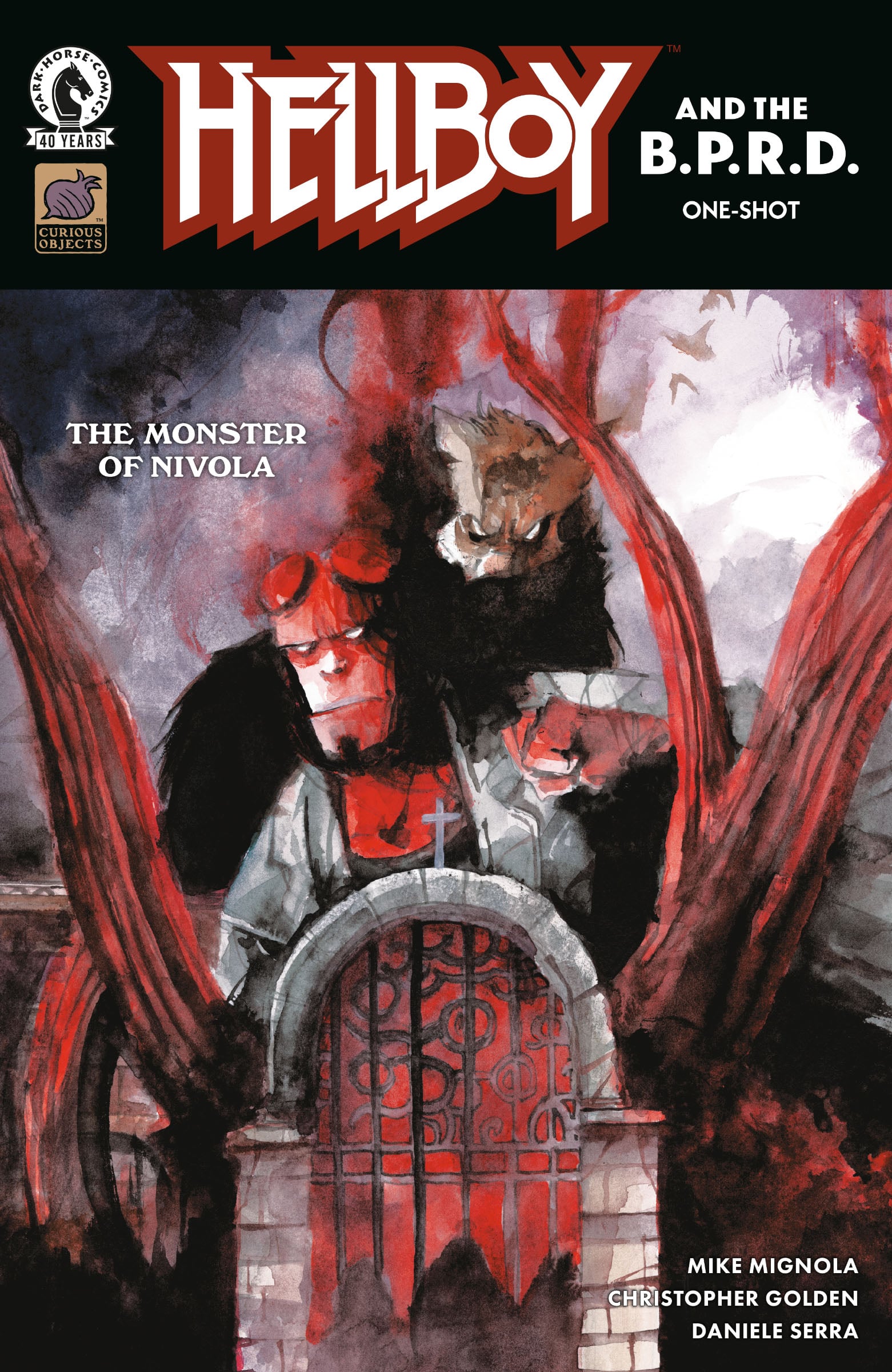
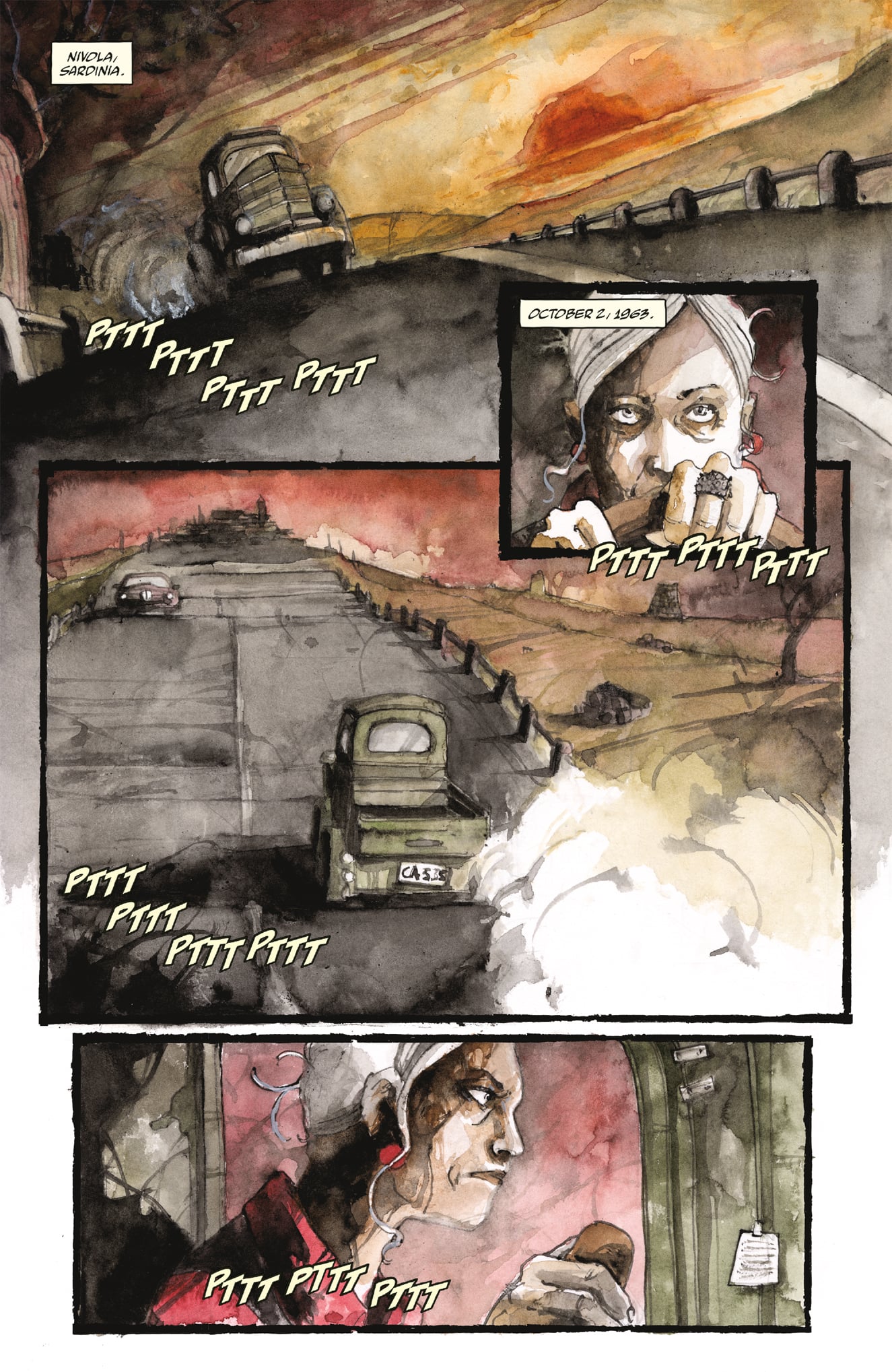
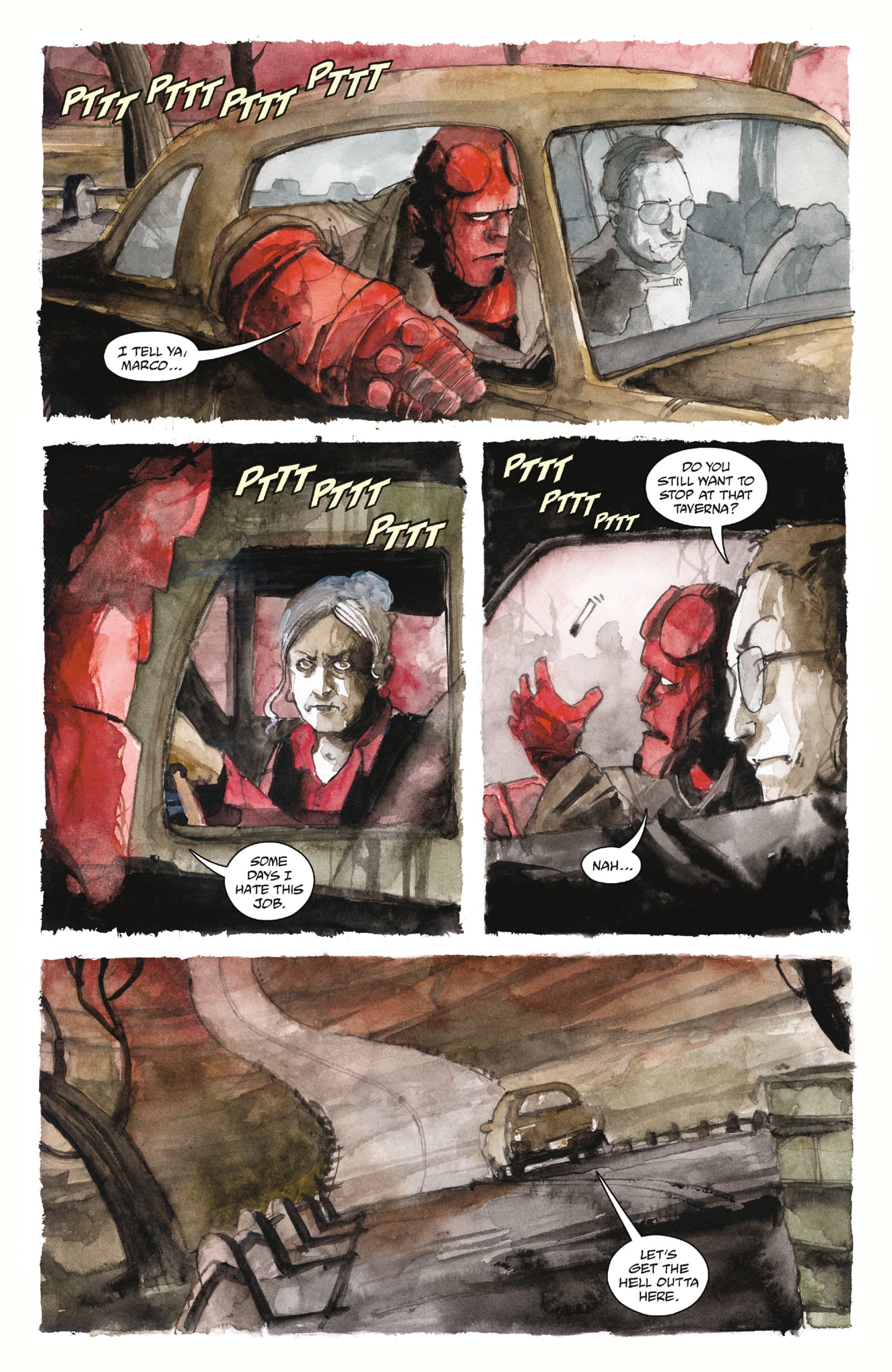
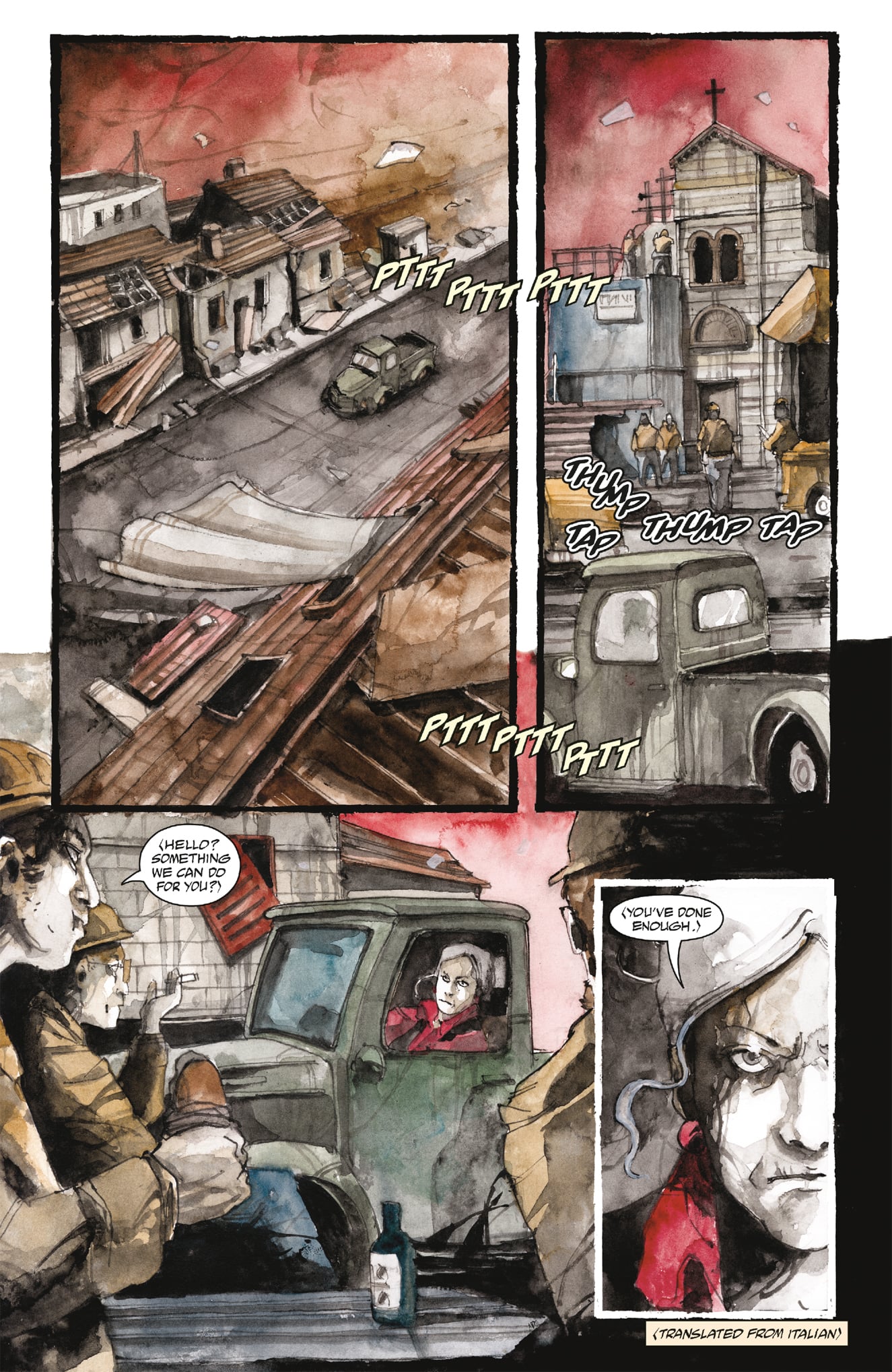
GVN: Next, we have Hellboy and the BPRD: The Monster of Nivola coming June 24th. This new Hellboy and the BPRD one‑shot pairs you with Mike Mignola and the atmospheric, painterly work of Daniele Serra. What was the spark behind The Monster of Nivola, and how did the collaboration with Mike shape the story’s structure or mythology?
CG: I’ve admired Daniele Serra for a long time, but I’d known him as a cover and interior artist, not as a sequential artist. We met in person for the first time in Germany at the Leipzig Book Festival and got a chance to hang out quite a bit. Dani looooooves Hellboy and of course like most artists he really looks up to Mike. He expressed an interest in doing a Hellboy story and I jumped at it. Mike and I have been working together so long that I usually have a good sense of the kind of story and folklore that will appeal to him, and this one is a great example of that.
Daniele Serra
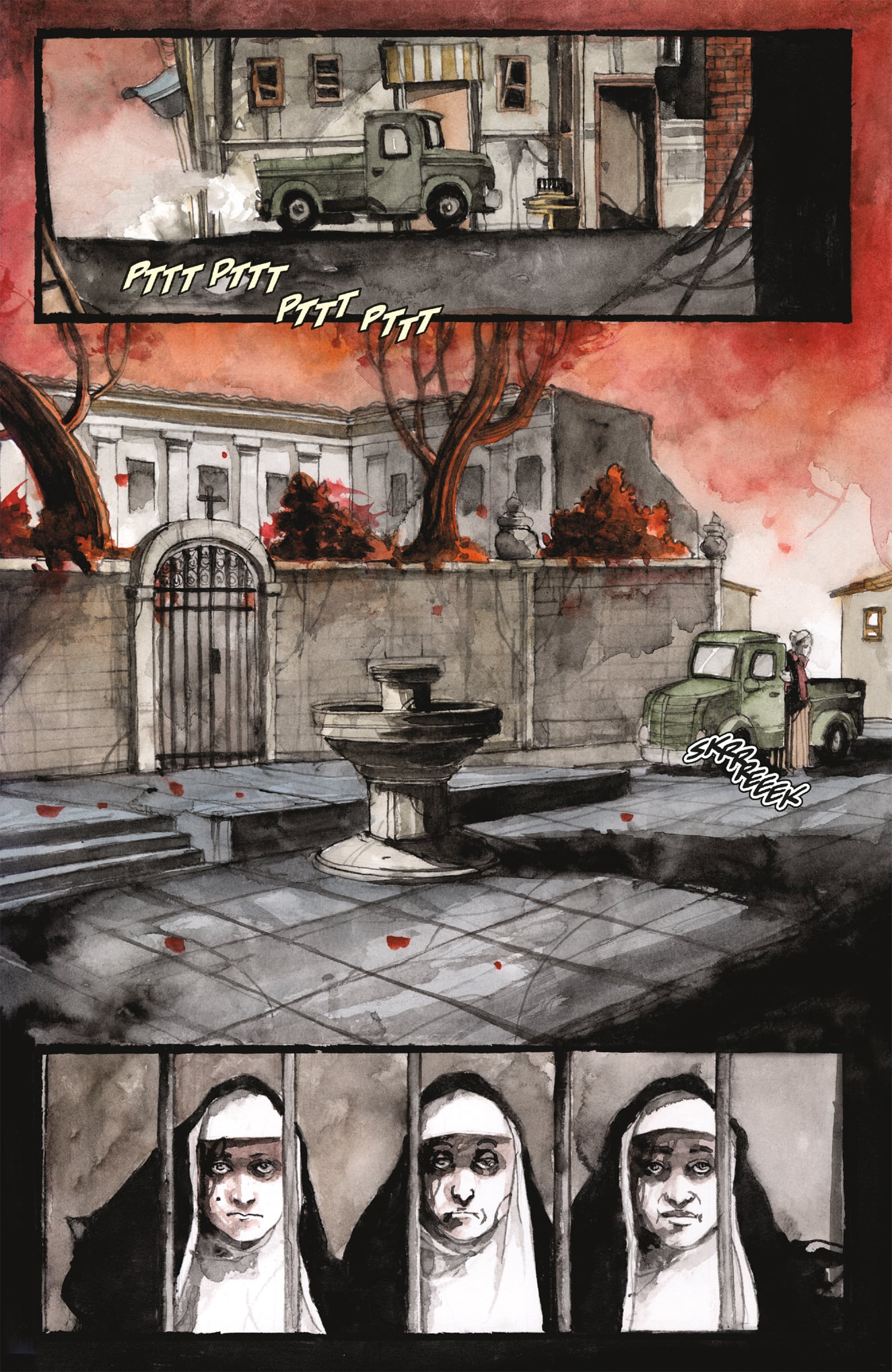
GVN: Speaking of the talented artist, Daniele Serra’s art has a dreamlike, almost folkloric quality. (I’m quite enamored with it). How did his style influence the mood, pacing, or even the creature design in The Monster of Nivola?
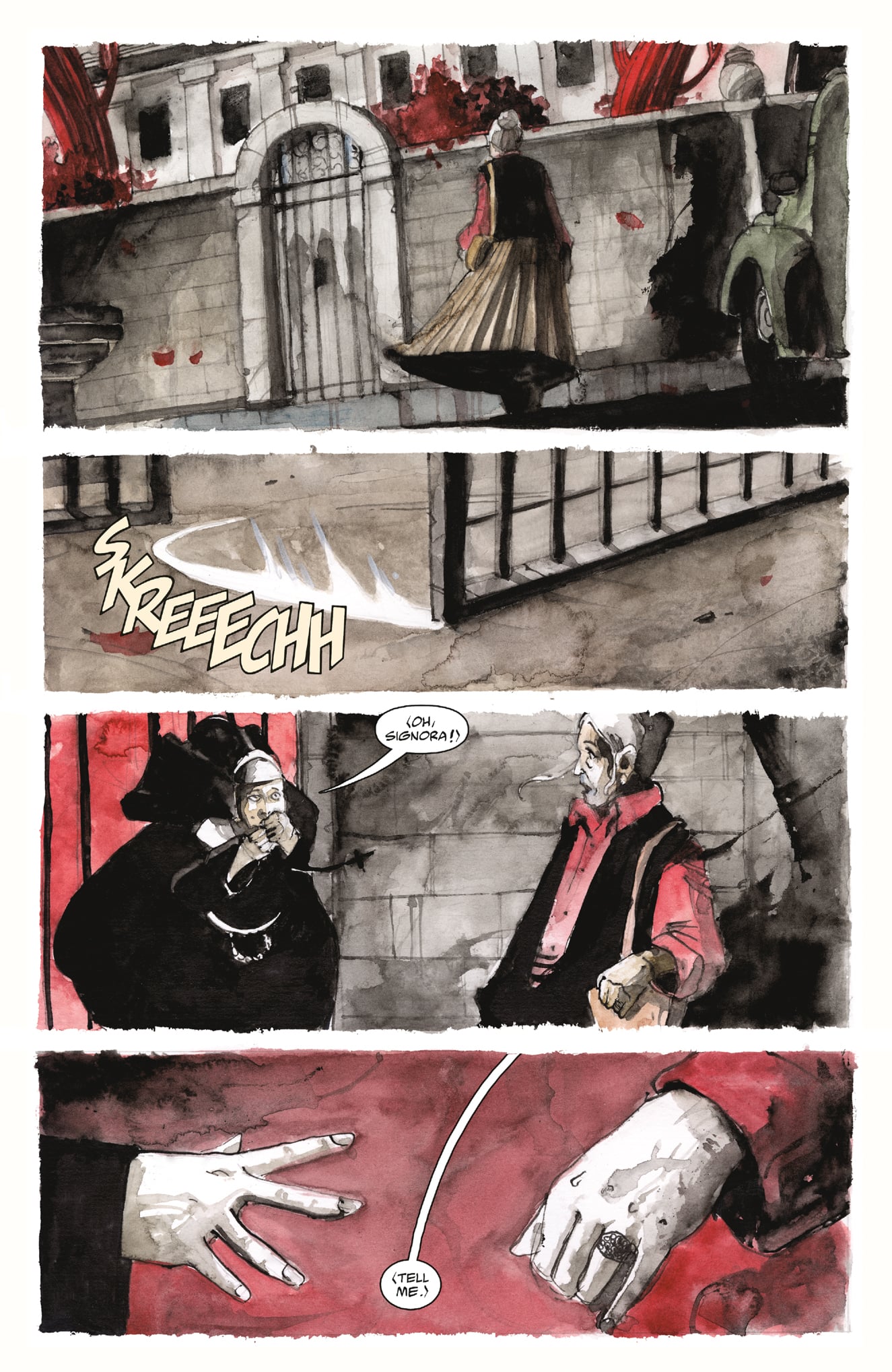
CG: There are so many things in this one-shot that are there because I wanted to see Dani’s representation of them. The nuns, the convent, the monster (of course). He’s capable of a variety of styles, but I really wanted this story to be in the style for which he’s best known, which is really that painterly, nightmarish style, as if we’re seeing everything through a rain-streaked window on a stormy day. I love it so much. The mood and pacing are a reflection of that, too. And, of course, Dani lives in Sardinia–or I should say on the island of Sardinia–and it was a very purposeful choice to set this story there. I did it as a little surprise for him–he didn’t know about it until he received the script, and I think he was delighted.
The Challenge of Writing for Hellboy
GVN: Throughout your collaborations with Mike, you’ve written Hellboy at different points in his life — young, seasoned, in love, on missions. What’s the most creatively challenging part of shifting between these eras, and what keeps the character fresh for you after so many stories?
CG: I think, honestly, that I’d have a difficult time writing Hellboy in Hell, or even in the time immediately preceding that, when things looked pretty dark. Not that I haven’t written my share of profoundly dark stories in my career, but I love the character so much and those stories are full of such sorrow. If you see the real humanity in him, the hope and the melancholy, those stories are so sad. As far as telling stories that feel fresh–believe it or not, there are still eras in Hellboy’s life that haven’t been fully explored. More importantly, again, I think of him as a real person–or, I guess I should say, I imagine how he would react to situations if he were real. The benefit of having so many eras of his life laid out already is that you get a really good picture of the path he’s taken, the experiences that have molded or changed him, all of that.
Adding to the Hellboy Lore
GVN: Both Obsidian and The Monster of Nivola add new corners to the Hellboy mythos. What do you see as the ongoing opportunity — or responsibility — when contributing new lore to a universe with such a devoted readership and such a distinct creative legacy?
CG: Ideally, nobody should be writing stories using someone else’s characters unless they truly care about those characters. That’s more true with the Hellboy universe than any other, because it has one architect. Sure, writers and artists have contributed a lot over the years, but Mike Mignola is still not only the creator but the true architect of this world and its major storylines and characters, the history, the layers upon layers. I feel much more responsibility to Mike than I do to the readers, but I think by serving one you are serving the other. I think only the tiniest percentage of readers really understand the breadth and depth of the folklore and history that Mike has built here.
Carry Me to My Grave
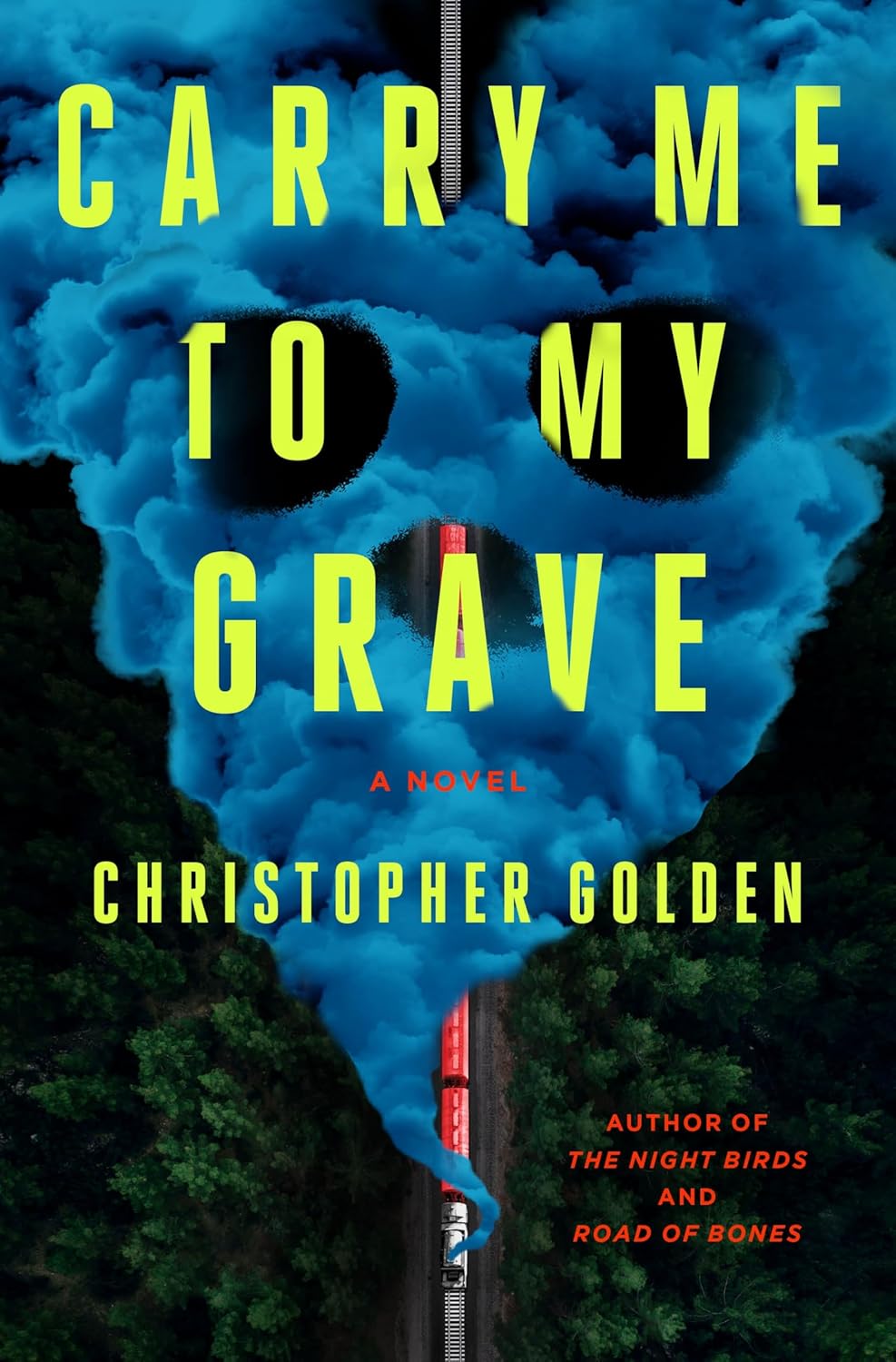
GVN: Finally, before I let you go, I must ask a few questions about your upcoming novel: “Carry Me to My Grave,” which releases July 21st. “Carry Me to My Grave” feels like a book steeped in both personal grief and mythic dread. What was the first spark that told you this was a story you needed to write?
CG: I was out for a walk with my wife one day, talking about my mother, who passed away in 2021. We were talking about obligations to your parents, to your children…about expectations. I’d had this tiny germ of an idea in my head, I hadn’t even put it into words, but while we were walking the basic concept came clear–a dying woman gets her son to promise that when she dies, he will bring her body across the country and bury her in the soil of her hometown in Maine. Only it has to be by the second sunrise…and something is rising from the Earth and traveling to try to stop them. Many somethings. It’s 1956 and the main character is a soldier recently returned from the Korean War, a man in love with his sister-in-law, whom his brother abandoned. I was well into writing the novel before I realized the things coming after them are vampires, but not like vampires you’re familiar with. Something a bit different, which makes it more fun, and more terrifying.
The Importance of Bringing Emotional Elements to a Story
GVN: Your horror often works because the emotional stakes hit just as hard as the supernatural ones. Is that an important consideration for you as you craft a new story like this one?
CG: Absolutely. As I move from the concept into the writing, the things that keep echoing in my head are questions about who the characters are, what they want, and what they’ll have to sacrifice to get it, or to just survive. Most people are a little broken in one way or another, and broken people make much more interesting characters. Earlier in my career I thought a lot about what would be “cool,” plot-wise, but I’ve evolved as a storyteller over time, and for a while now, I’ve been much more interested in what a character feels, and what it takes to make them desperate or terrified or brave. Horror is an emotion, after all.
Readers’ Takeaway from “Carry Me to My Grave”
GVN: Thank you so much for your time, Christopher. When it comes to “Carry Me to My Grave,” when readers close the book, what do you hope lingers with them—the fear, the empathy, the questions, or something else entirely?
CG: I hope readers feel a little breathless, and are both a little terrified and a little horrified. I hope they’re happy they went on the ride, and truly sad at the losses along the way. If I can accomplish a little of that, I’ll feel like I did my job. But I’ll tell you something–I’ve never been happier with a book I’ve written than I am with this one, and at the end of the day, that’s a reward unto itself.
In a landscape where myth, memory, and monsters collide, Christopher Golden remains one of the rare storytellers who can shift from intimate emotion to apocalyptic spectacle without ever losing the human pulse beneath it all. With Hellboy in Love: Obsidian and Hellboy and the BPRD: The Monster of Nivola, he once again proves why his voice is so essential to the Hellboy mythos—balancing tenderness with terror, folklore with fire, and collaboration with a deep respect for the world Mike Mignola built.
Dark Horse Comics “Hellboy in Love: Obsidian #1”
Anastasia is called to Crete when an excavation team unearths a tomb with striking similarities to the engraved skull stolen from her by a witch in India. The trail for proof of the mysterious Suaren Artea society may not have gone as cold as she thought, but danger still lurks behind every turn.
Creators
Writer: Mike Mignola · Christopher Golden
Artist: Alex Nieto
Letterer: Clem Robins
Cover artist: Alex Nieto
Genres: Fantasy · Horror · Occult & Supernatural
Publication date: June 17, 2026
Format: FC 32 pages; 6 5/8″ x 10 3/16″
Price: $4.99
Dark Horse Comics “Hellboy and the B.P.R.D.: The Monster of Nivola”
Rumors of a monster bring Hellboy to a nearly abandoned town in Sardinia, where the search for the creature leads to a local abbey with a shocking secret of its own.
Writer Christopher Golden and artist Daniele Serra join Mike Mignola in exploring the meaning of true monstrosity in this standalone Hellboy one-shot!
Great jumping-on point!
Acclaimed artist Daniele Serra joins the Hellboy universe.
Creators
Writer: Mike Mignola · Christopher Golden
Artist: Daniele Serra
Colorist: Clem Robins
Cover artist: Daniele Serra
Genres: Fantasy · Horror · Occult & Supernatural
Publication date: June 24, 2026
Format: FC 32 pages; 6 5/8″ x 10 3/16″
Price: $4.99

Senior Writer at GeekVibesNation – I am a 60 something child of the 70’s who admits to being a Star Trek/Star Wars/Comic Book junkie who once dove headfirst over a cliff (Ok, it was a small hill) to try to rescue his Fantastic Four comic from a watery grave. I am married to a lovely woman who is as crazy as I am and the proud parent of a 21-year-old young man with autism. My wife and son are my real heroes.
1 Comment
Pingback: URL