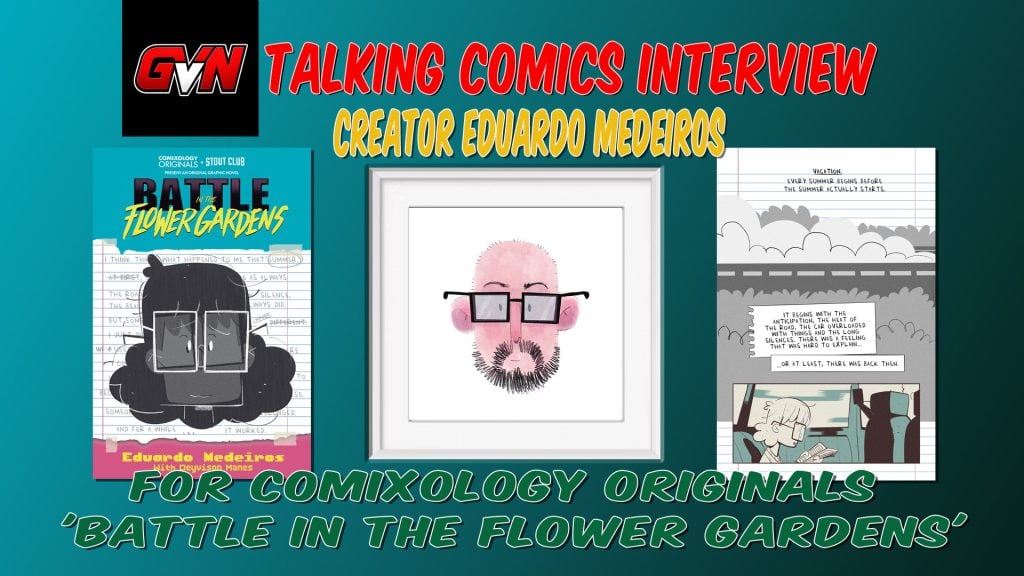
As digital comics continue to reshape how creators reach their audiences, Eduardo Medeiros is stepping boldly into that space with Battle in the Flower Gardens. This graphic novel thrives on color, childhood relationships, and comedic precision. The project showcases Medeiros’ ability to build worlds that feel alive and at the same time, relatable in every panel — and perfectly suited for digital storytelling.
Recently, we caught up with Eduardo and dove into how this new release came together and why Battle in the Flower Gardens was the ideal story for his next creative leap. So let’s welcome the talented Eduardo Medeiros to GVN Talking Comics.
Creative Inspirations
GVN: Thank you for giving us a little of your day, Eduardo. Before we get to “Battle in the Flower Gardens,” I want to touch upon a little of your creative background. When did you first take an interest in art and storytelling, and whose work inspired that possibility?
Eduardo: Thanks for having me here; I really appreciate it.
I was absolutely caught by comics by reading X-Men. When Joe Madureira took over the title and the Age of Apocalypse came out, that blew my mind. For a (not so short) period, I tried so hard to be like him and dreamed about being an X-Men artist. But living in Brazil as an artist is not easy at all, so I went to work in animation for six years. There, I met other artists and discovered another kind of comic book that I started to relate to so much more. When I found a biographical book by a Brazilian author named Allan Sieber, that changed my course. I understood that my drawing style wasn’t meant for superheroes, and instead of trying to do test pages that went nowhere, I started making my own stories and felt so much happier with that. But, you know, Joe Madureira is still Joe Madureira to me. Haha.
Relating to the Characters
GVN: “Battle in the Flower Gardens” was a story I could really relate to. The emotional swings of youth, friendship, peer pressure, and wanting to belong. What was the first idea or image that convinced you this story needed to exist?
Eduardo: Since I started doing my own autobiographical comics in the beginning of the 2000s, that story was always there. It was something I wanted to tell, but it took me a few years to have the maturity to put it on paper.
I think what sparked this idea was Capão Novo itself. I have a strong bond with that place; it’s filled with memories for me. Today, I live pretty close by, and I’m always going there to walk around and spend some time.
Reflecting on the Past
GVN: The book really explores the challenges of childhood, whether dealing with friends, parents, or loss. Did this dig up any memories of your own that you might have forgotten as you developed this story?
Eduardo: You know, despite this story being 30 years old, it was always very clear in my mind. I even talked to some friends and neighbors from that time to make sure my memory hadn’t betrayed me—a few events were set in different places than I remembered, but nothing major. However, what really surfaced during production were all those old feelings of regret and shame over certain actions. It’s crazy how those things can still hit you after all these years. Today, I can understand my choices and forgive myself, but those experiences definitely echo in the person I am today.
Artistic Story Evolution
GVN: Your art style has a playful elasticity that fits the tone perfectly. How did the visual language evolve as you developed the story, and were there any stylistic risks you were excited to take?
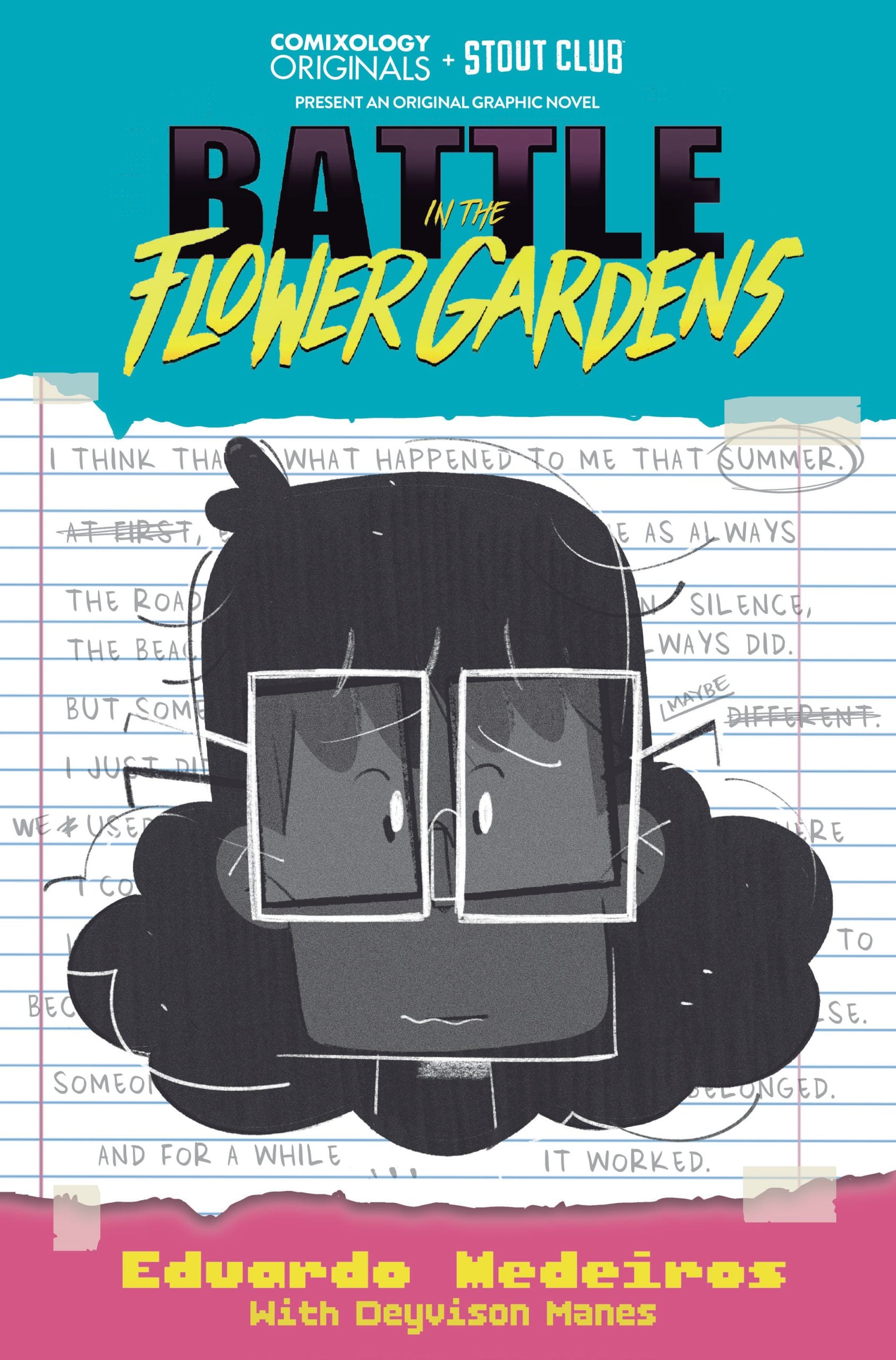
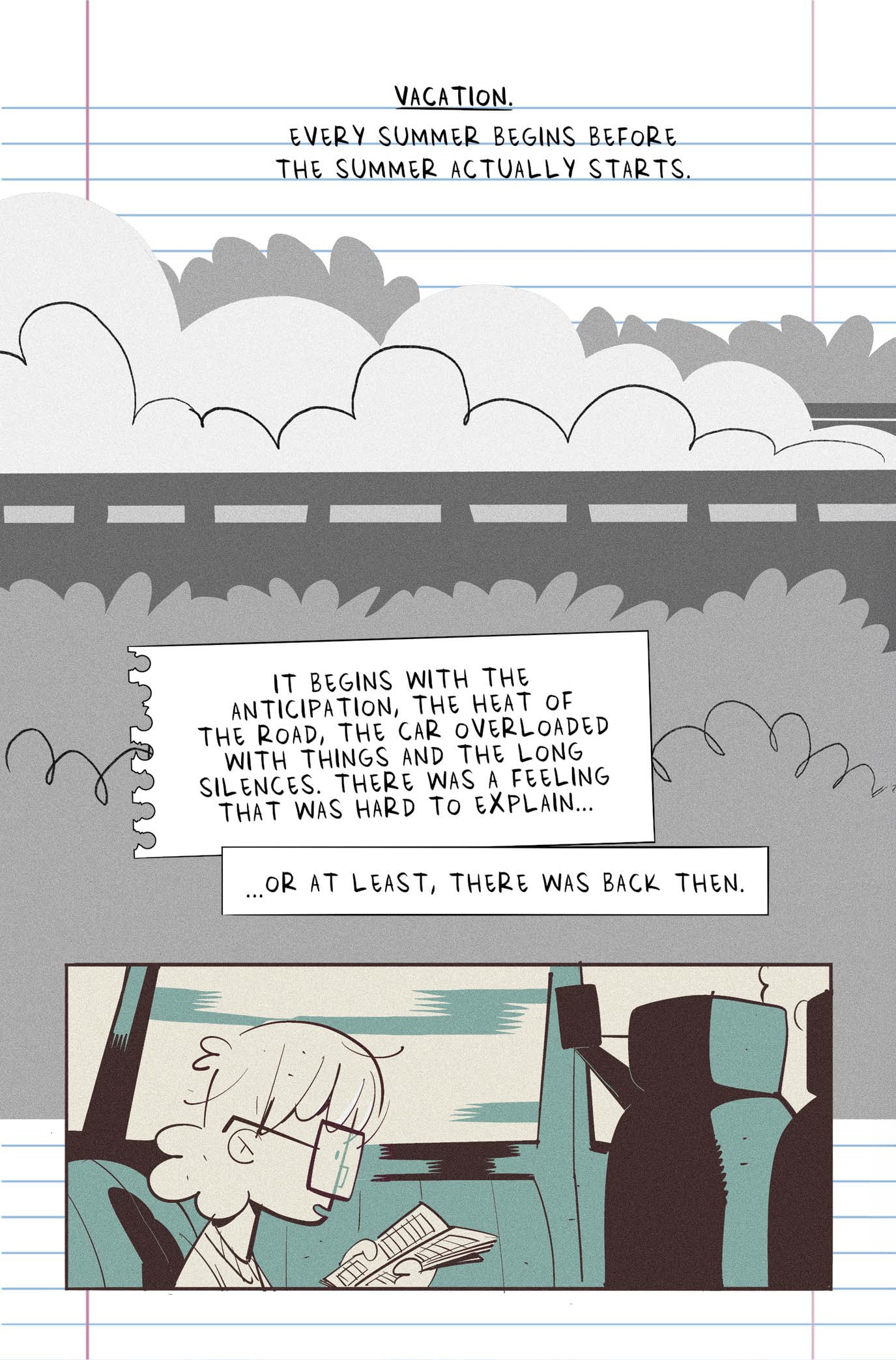
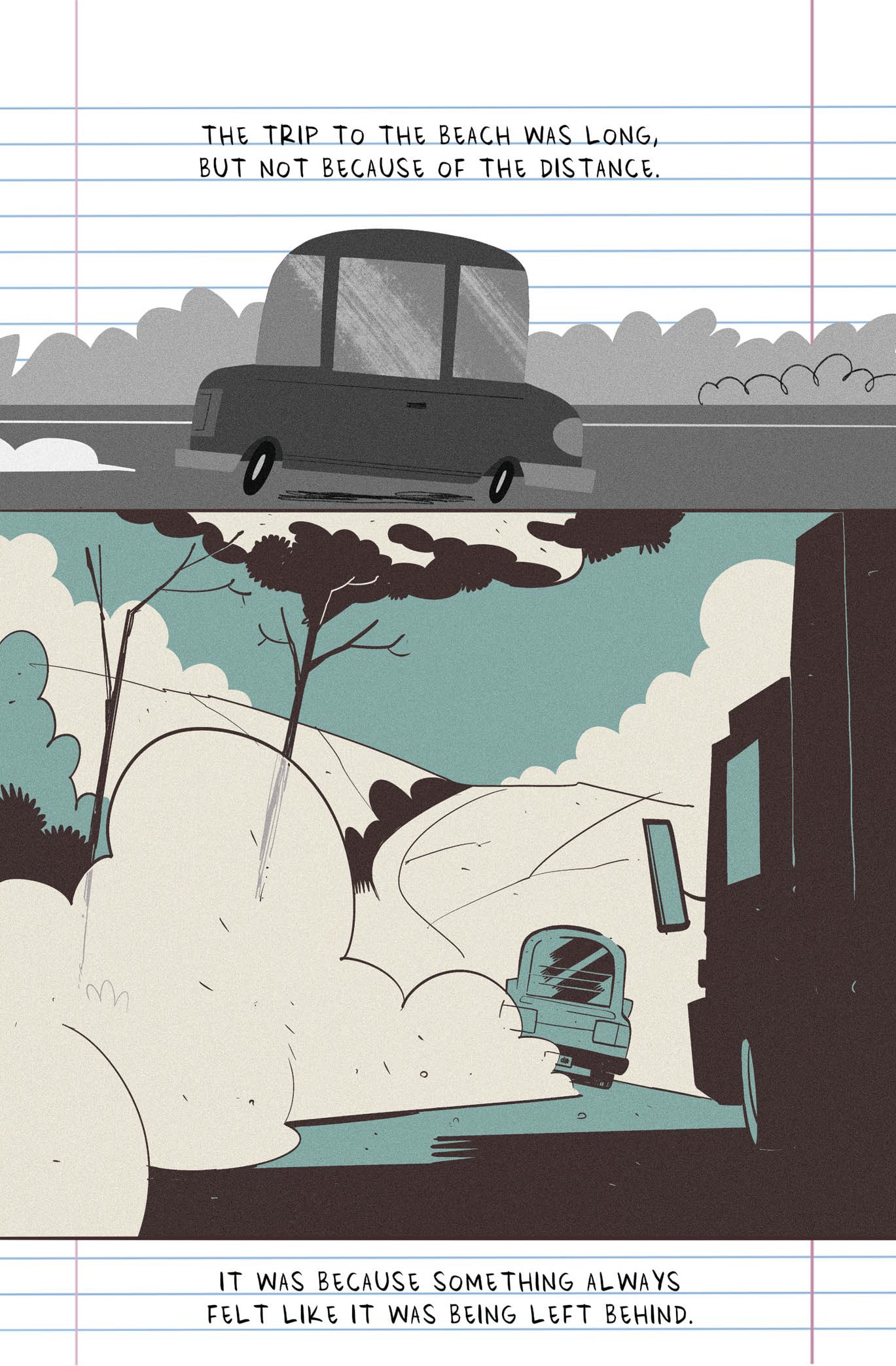
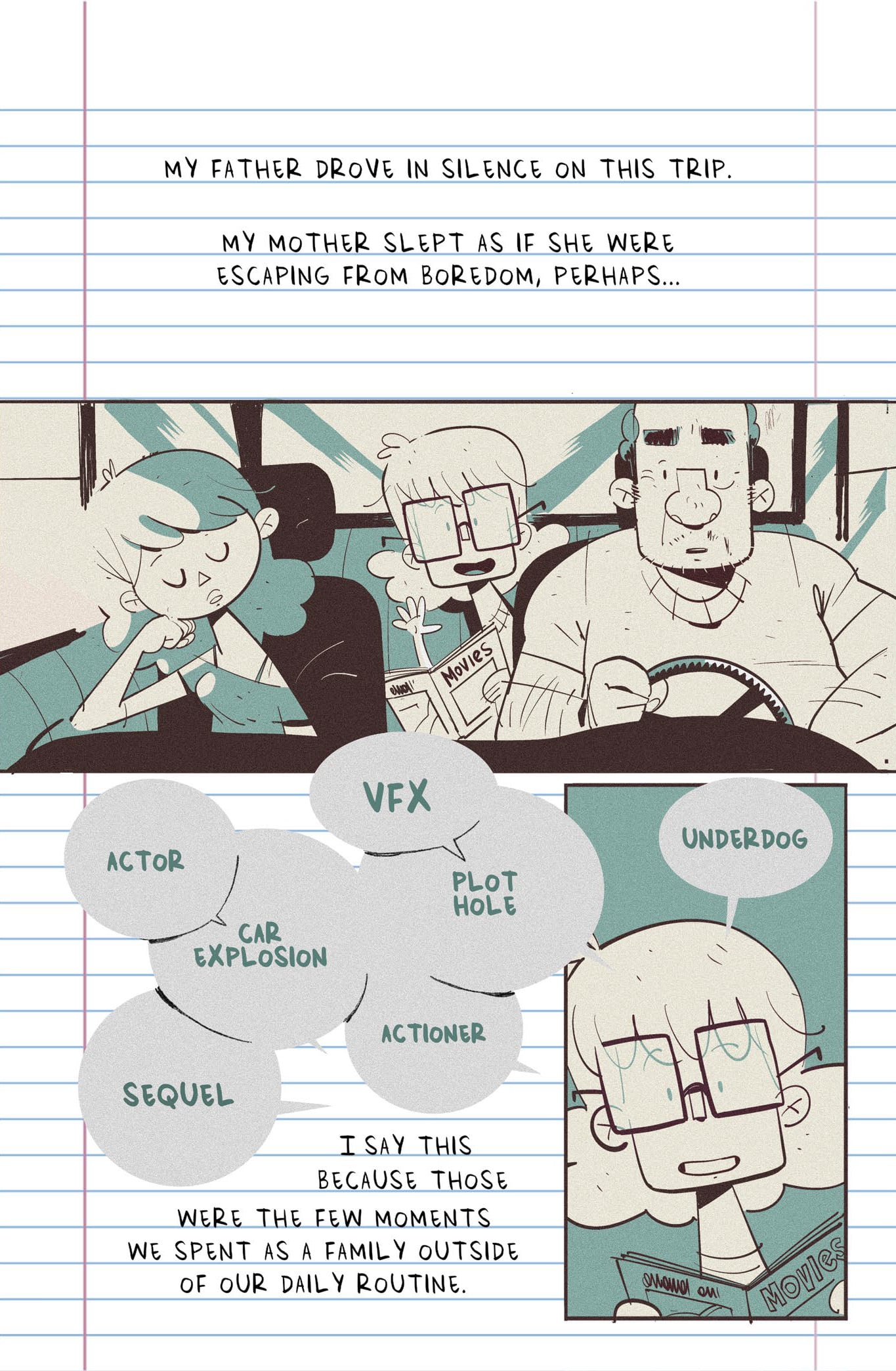
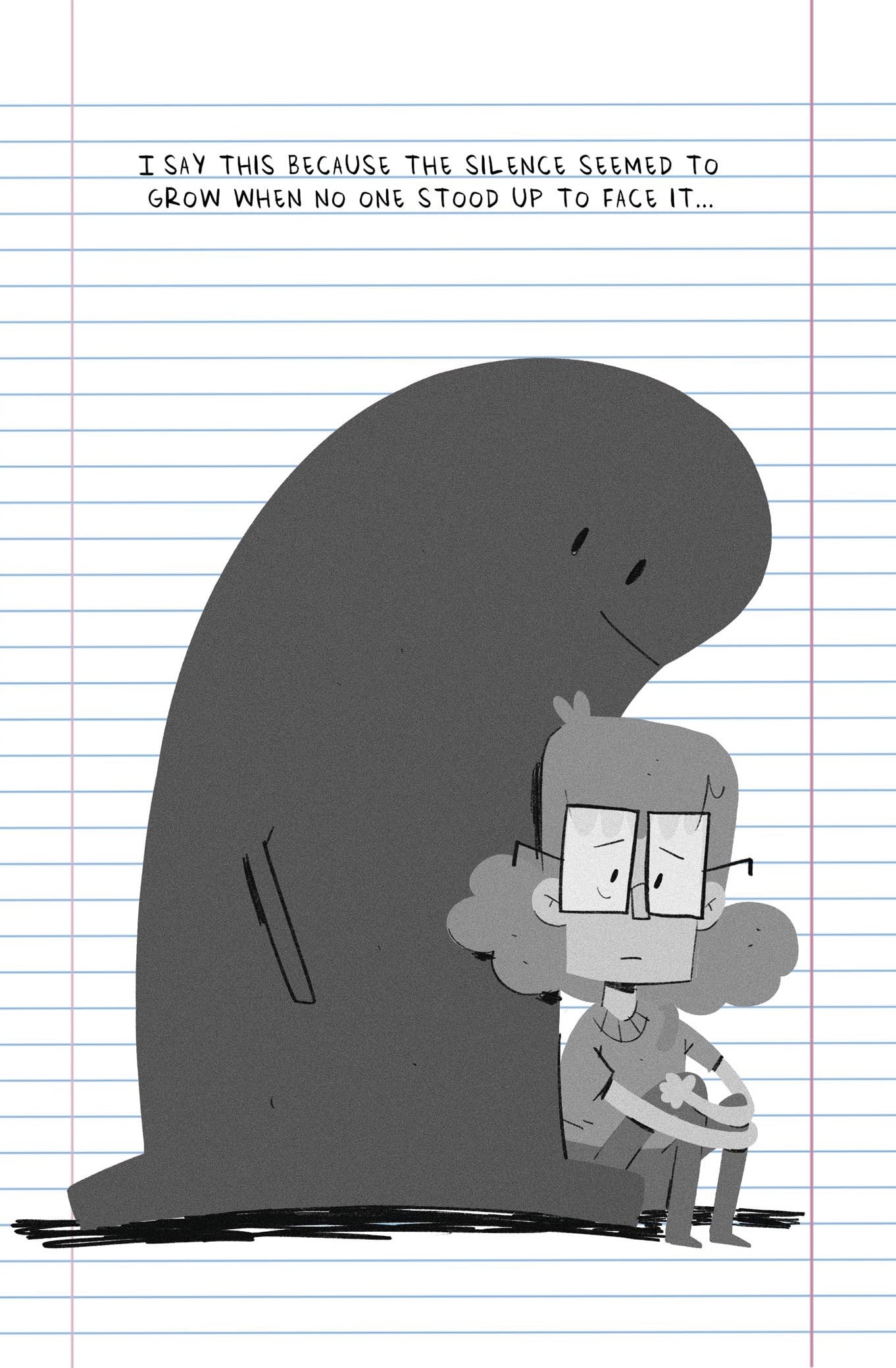
Eduardo: I made this book almost twice in three years. I felt that something wasn’t right, so I remade the storyline and chose to do the art in two different ways. Something sitting right between a comic book and a picture book.
Luke is in that period where he’s not a kid anymore, but he’s not a teenager either, and I wanted to show this in the art.
Reliving a Childhood
GVN: The characters in this book feel both cartoonishly bold and emotionally grounded. What guided your approach to shaping their personalities and motivations within the narrative?
Eduardo: Thank you! What guided me was just trying to be honest about what I remembered about the kids we were at that time. Seeing it as an adult felt much easier than it used to be.
Working with Comixology Originals
GVN: You’re debuting “Battle in the Flower Gardens” digitally through the great folks at Comixology Originals. What made this the right format for the project, and how does digital distribution influence the way you think about pacing, layout, or reader experience?
Eduardo: After decades buying comics and having to move house a few times, having physical comics started to not work for me. I kept some books I love (and I still buy books I really want to have), but almost everything I read today is digital, and I love it. I did this book not thinking about digital comics or doing something narratively associated with this medium. I did it thinking of it as a normal book, and I don’t think I could have done it differently.
On top of that, working with Comixology Originals has been great. They gave me complete creative freedom to tell this story.
Plus, digital distribution opens doors to reach readers all over the world simultaneously, which is incredible for an indie story rooted in personal memories.
Intertwining His Brazilian Culture
GVN: Your work often carries the energy and humor of contemporary Brazilian comics. How does your cultural background shape the tone and themes of this graphic novel?
Eduardo: Brazil has a long history with visual humor, and pretty much all of our big masters—like Laerte, Angeli, and Ziraldo—came from that world. A lot of that comes from our past; living through a dictatorship made humor and music our best way to fighting back.
We don’t really have a huge superhero scene here. The few attempts we see are usually heavily based on US superheroes, which honestly doesn’t work for us—we’re already completely hooked on Marvel, DC, and Image anyway. So leaning into humor and slice-of-life was just the natural way to go for us. It’s where our true voice is, and that same warm, lighthearted energy definitely made its way into Battle in the Flower Gardens.
Future Projects
GVN: Thanks again for joining us today, Eduardo. Before we wrap up, I’d like to give you the chance to share any upcoming projects you’re working on.
Eduardo: Thanks again for having me here. It was so good talking about Battle in the Flower Gardens with you. I’m currently working on two picture books, which is something I absolutely love, and I’m trying to keep publishing my series, Roderick (also published as a Comixology Original). I have an infinite source of stories with this character, and I really want to keep telling them. The Roderick and the City of Morhil collection is in print this month from ABLAZE.
Talking with the talented Eduardo Medeiros shows exactly why Comixology Originals’ Battle in the Flower Gardens hits with such charm and familiar energy. His blend of expressive cartooning, relatable youth interactions, and grounded character work gives the book a heartbeat that’s impossible to ignore. Big thanks to Eduardo for sharing the creative spark that inspired the project — and for delivering a tale sure to leave an impression on everyone who reads it.

Senior Writer at GeekVibesNation – I am a 60 something child of the 70’s who admits to being a Star Trek/Star Wars/Comic Book junkie who once dove headfirst over a cliff (Ok, it was a small hill) to try to rescue his Fantastic Four comic from a watery grave. I am married to a lovely woman who is as crazy as I am and the proud parent of a 21-year-old young man with autism. My wife and son are my real heroes.