He’s back.
In truth, Godzilla has never really left the public consciousness. Regardless of its social or political context, the reptilian giant who stays on Japan’s ass has always found its place amongst the movie stars. (Without the risk of an out-of-context magazine profile or burning your mouth with progressively hot chicken wings.) Even so, Godzilla Minus One felt much like the kaiju’s electric-blue hyper beams, tearing through the zeitgeist with deep emotional resonance and stunning visual effects, making it the most successful film in the 72-year-old franchise and the only Godzilla film to win an Academy Award.
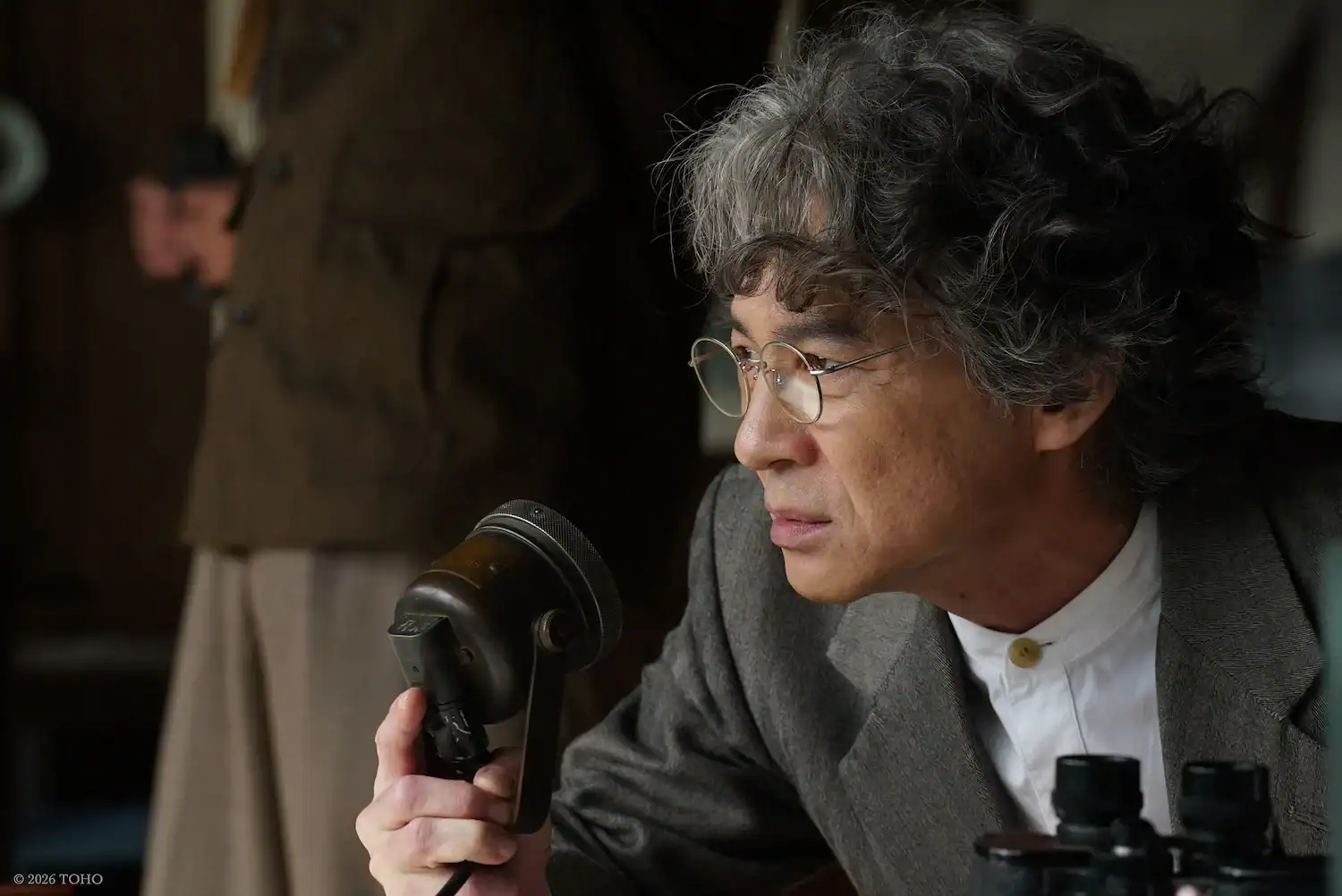
Rather than rest on Godzilla Minus One’s impressive laurels, filmmaker Takashi Yamazaki is dredging up Godzilla from its presumed watery grave for Godzilla Minus Zero, its highly anticipated sequel that stunned the cinematic landscape with its splashy world premiere at the 64th New York Film Festival. Minus Zero continues to follow the Shikishima family, whose lives were upended when Godzilla emerged from the smoldering wreckage left behind by World War II. Two years later, Japan is still grappling with the ramifications of Godzilla’s rampage and the arrival of a new monstrous threat. The Large-Scale Disaster Response Bureau (LSDRB), led by Kenji Noda (Hidetaka Yoshioka), taps a reluctant Kōichi (Ryunosuke Kamiki) to help defeat this kaiju, threatening his peace with Noriko (Minami Hamabe) and their adopted daughter, Akiko (Sae Nagatani). They soon find that their only solution is to use Godzilla, their greatest foe, to save them from their newest one.

With Minus Zero, Yamazaki builds upon the successes of Minus One through the expansion of the kaiju’s lore, deepening the psychological impacts of their rampages, and crafting new sociopolitical lenses. The new kaiju that battles the still-bruised Tokyo is just as terrifying as Godzilla, but with new-to-this-universe physical attributes and technical abilities that introduce brand-new logistical nightmares. While LSDRB has created tools from its experiences fighting Godzilla two years ago, they soon find that firepower isn’t enough to address this new calamity. What helps is the unexpected scientific ingenuity of meteorologist Makoto Aoyama (Masami Nagasawa). She guides the team in using weather patterns to predict the kaiju’s movements, adding a new creative dimension and tension to an already fraught narrative. You find yourself waiting with bated breath to see if Makoto’s weather predictions come to pass and, if they do, how they might serve the humans in quelling their foe.
Of course, it takes much more to take down the new kaiju. The overwhelming challenge is the perfect foundation for Yamazaki to further unpack the psychological and physiological toll on their victims. For the Shikishima family, the prospect of another kaiju is a brutal reminder of their excruciating, otherworldly pain and their refusal to re-engage those wounds. However, their current lives still connect them intimately to that pain. The most harrowing example is Noriko’s volunteer work at an orphanage for children who survived both WWII and Godzilla. Noriko and Akiko’s perspectives allow us to see up close the destruction of innocence that accompanies such trauma, how those children have been so damaged by incalculable loss that abandonment, solitude, and scrounging survival are the facts of life. (The film’s one stumble comes from stepping away from one particular story beat that, while tragic, would’ve served as a powerful closing grace note.)
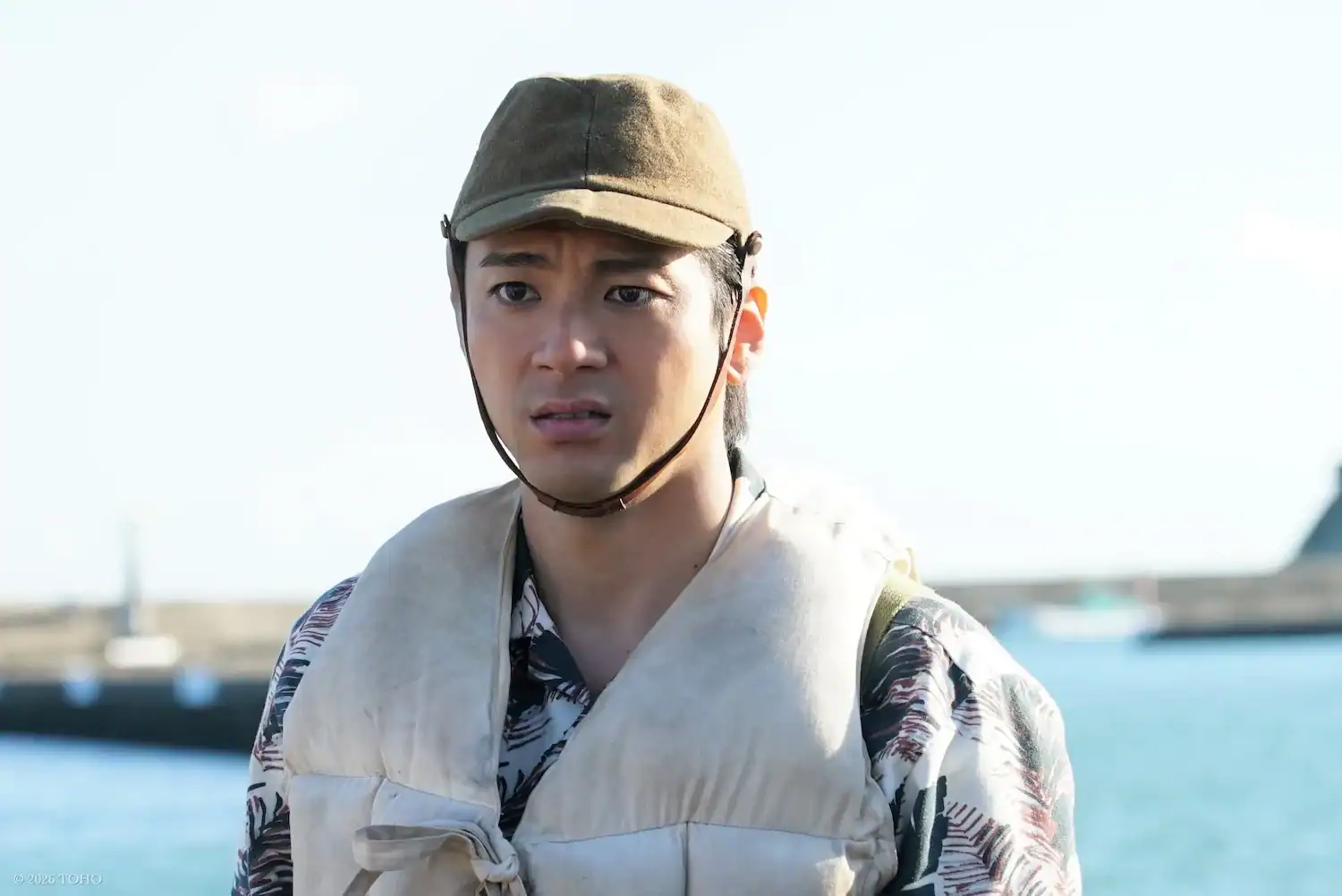
The adults are no less immune to such violence. The emotions running through the people responsible for protecting humanity from the kaiju are wide-ranging but consistently intense. Some are frozen in fear or resigned to their fates, while others are left stunned or bearing darkly comic reactions to acts by the kaiju that simply defy common sense. Whatever the response, Yamazaki retains the sense of doom that permeates the film’s atmosphere. Also permeating the film are questions about adults’ duty to the future, which connect well with the orphanage’s role. The Shikishimas’ renewed involvement in the kaiju conflict stems from their steadfast belief that they must preserve the world for the next generation and that the children have the resilience they need to survive and thrive. It’s a bittersweet sentiment, especially considering what we see of the children that the Shikishimas don’t.
Yamazaki ties that tension directly into the sociopolitical implications that also drive Minus Zero. Since 1954’s Godzilla, the franchise has also been an allegorical response to the searing brutality of the Hiroshima and Nagasaki atomic bombings in 1945. With this film, Yamazaki makes the connection more explicit, using the bombings as a frame of reference for the characters and showing how their survival directly shapes their approach to dealing with the two kaiju. Further complicating matters is the United States’ involvement, spurring distrust and subterfuge as both governments pursue their own ends. He makes the psychological pain from the bombings inextricable from the tactical decisions that could cost millions of lives, painting a clear throughline that feels especially relevant to today’s political and humanitarian crises.
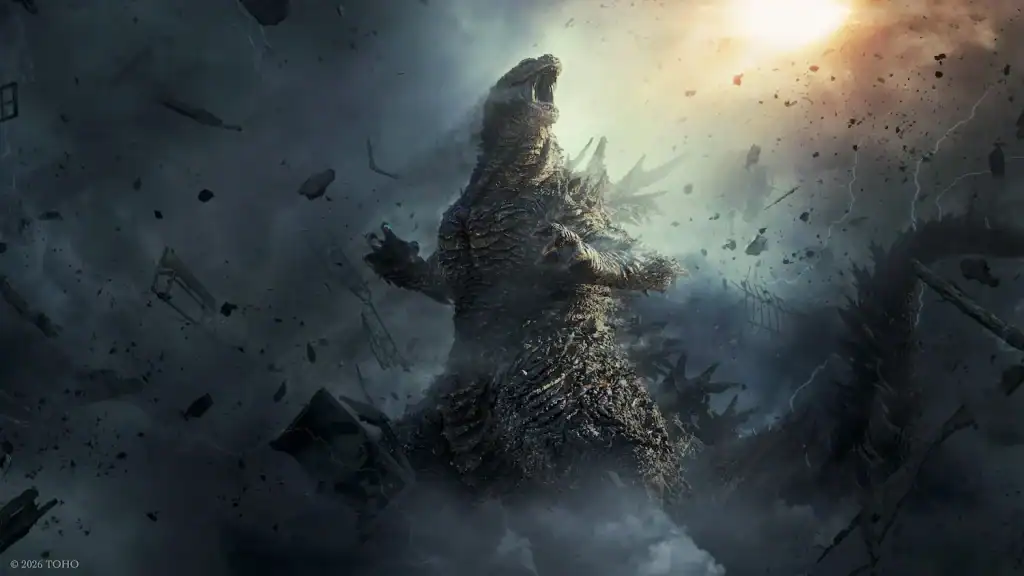
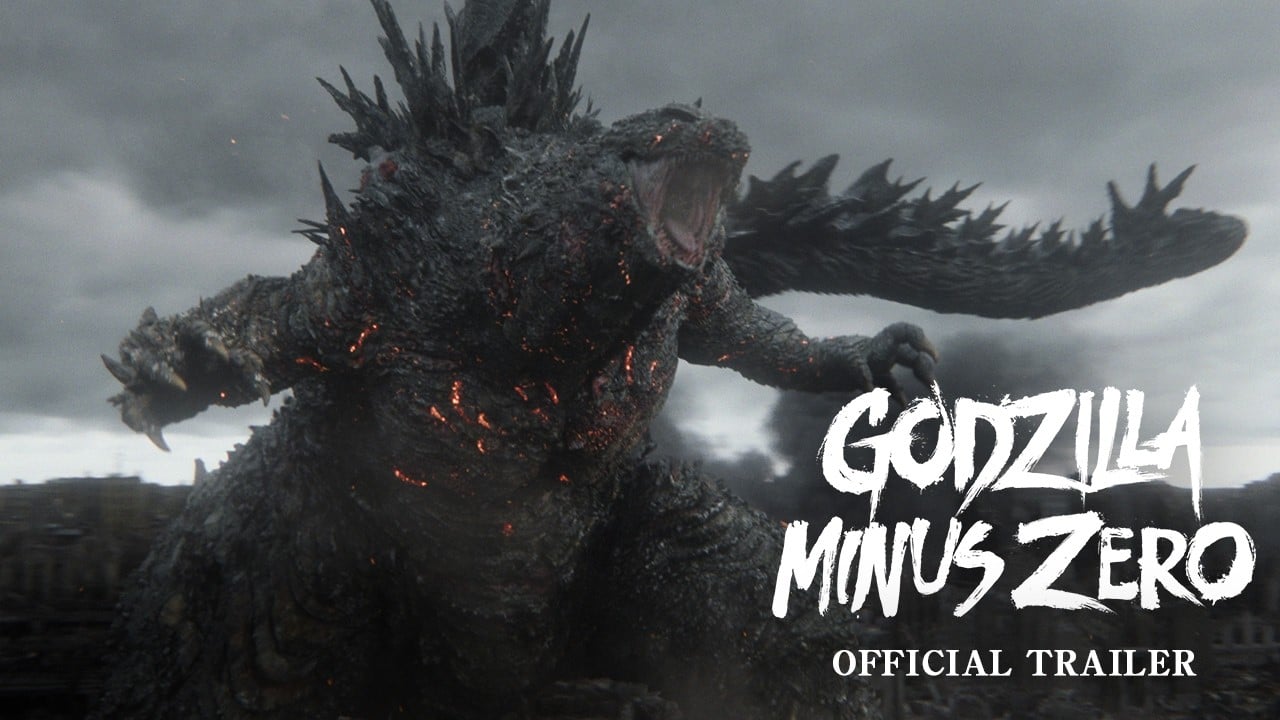
It’s remarkable that Minus Zero fits such thematic and narrative richness while also delivering pulse-pounding action worth several of Godzilla’s atomic blasts. Taken merely at face value, Yamazaki constructs another jaw-dropping display of visual effects and battle sequences that will make you question the fidelity of the world around you. Both Godzilla and the new kaiju are stunningly crafted, down to the pixel, with the utmost care. There are several frames of Godzilla and his foe that are staggeringly beautiful compositions, even out of context. That care pays off in astonishing ways when the two beasts duke it out for dominion over, presumably, the planet. The battle is outrageously brutal, with the kind of gnashing, snarling, blood-and-sinew-gushing that might cause sympathetic pains for one of them. The humans aren’t spared from Yamazaki’s violent delights, from crushed body parts to atomic incinerations.
It would be a fair question to ask, especially after the success of Minus One, if a sequel could go any further. After all, current franchises at the height of their powers often stumble back to Earth by leaning heavily into nostalgia, fan service, aura moments, and power scaling. Technically, Minus Zero does deliver those things, but Yamazaki’s narrative ambitions and emotional clarity keep them from feeling false, manipulative, or distracting. Every jaw dropped, eye widened, and tear shed is earned. Together, the Godzilla Minus sub-franchise represents the peak of monster filmmaking, with Minus One cracking the initial visceral boundaries and Minus Zero vaporizing whatever’s left.
Godzilla Minus Zero held its World Premiere as part of the Spotlight Gala section at the 2026 New York Film Festival. The film will debut in theaters on November 6, 2026, courtesy of GKIDS.
Director: Takashi Yamazaki
Writer: Takashi Yamazaki
Rated: R
Runtime: 135m
Before we let you go, we have officially launched our merch store! Check out all of our amazing apparel when you click here and type in GVN15 at checkout for a 15% discount!
For major deals and money off on Amazon, make sure to use our affiliate link! If you are purchasing any of the latest and best in physical media at MovieZyng, you can support us using our affiliate link.
Godzilla Minus sub-franchise represents the peak of monster filmmaking, with Minus One cracking the initial visceral boundaries and Minus Zero vaporizing whatever’s left.
-
GVN Rating

A late-stage millennial lover of most things related to pop culture. Becomes irrationally irritated by Oscar predictions that don’t come true.