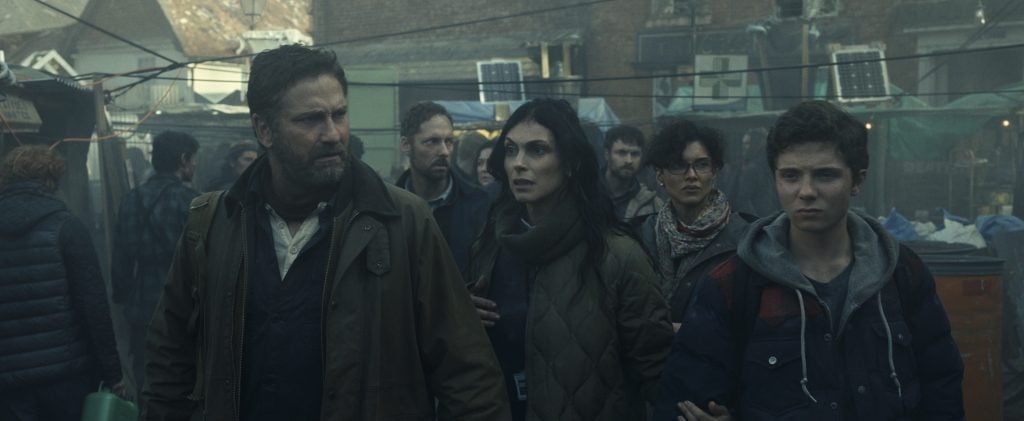
Back in 2020, when the first Greenland film was released, there was a cruel irony to a film about a global catastrophe turning the world upside down, released during the summer when everyone was under lockdown due to a pandemic. That first film was a surprisingly effective disaster film, capturing the destruction of our reality through nail-biting tension and very plain but effective drama. Greenland 2: Migration in many ways is attempting to bring that same paranoia, but to an even larger canvas filled with emotions and stakes at an all-time high, and the results are a mixed bag.
The sequel still has set pieces that are as thrilling as ever and an admirable if unsubtle message about leaving a better world behind for our future generations in the midst of “the new normal,” but the film’s repetitive structure and repeated beats from the first keep it from hitting the emotional highs it wants so desperately to reach. Still, even though 2020’s Greenland remains the more effective implementation of these themes, Greenland 2: Migration is a decent enough sequel that brings back what works while also conveying undercooked but effective disaster film fare.
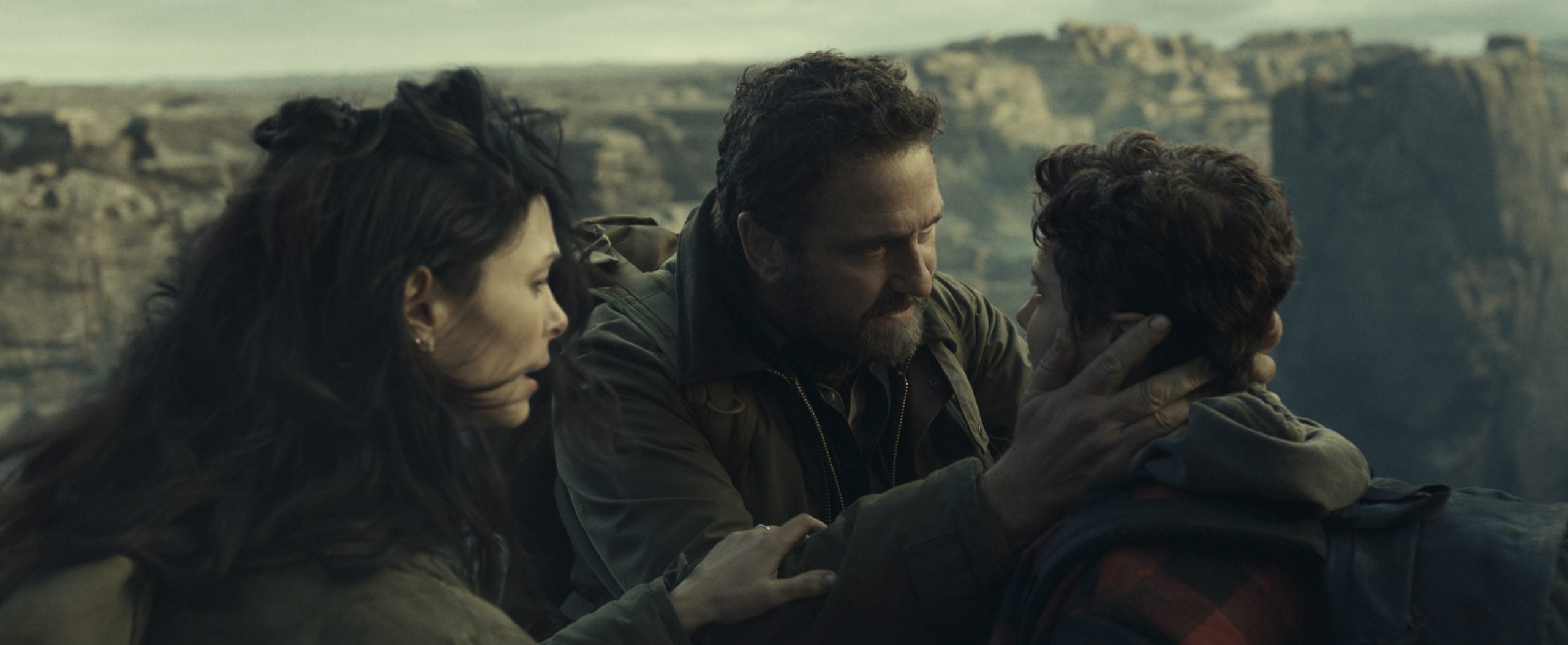
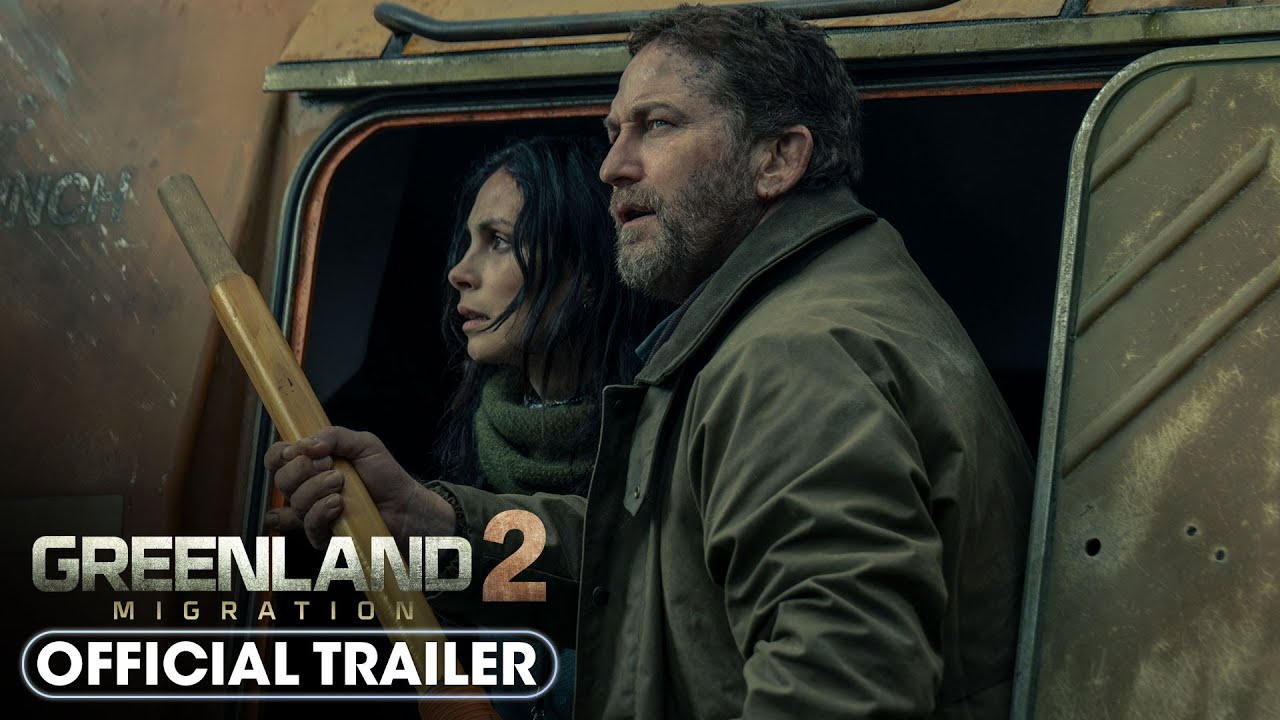
The story picks up five years after the events of the first film, when the crashing of comet Clarke into the Earth caused nearly the entire planet to be destroyed. The Garrity family of John (Gerard Butler), Allison (Morena Baccarin), and their teen son Nathan (Roman Griffin Davis) have been living underground with others lucky enough to survive for the past five years amidst the continued destruction of the world, adjusting to what they see as a “new normal.”
Aside from John’s occasional trips outside to find resources for their bunker or Allison’s work to find others outside that might need their assistance, the Garrity’s have adjusted to their new lives until a massive earthquake destroys the bunker, leading many to fend for themselves in another fight for survival. With no home to go to, the Garrity’s must venture across the now ravaged world to Europe in the hopes of finding the long-rumored crater left by the comet that is said to be where a fresh start for the world could take place.
Admittedly, the issues with Greenland 2 are apparent from the moment its story gets into motion. Even when putting aside how, in basic structure, it is essentially repeating many of the first film’s narrative beats as a technical road trip adventure to a potential sanctuary, the sequel itself is mostly a series of the Garritys meeting a good soul who helps them on their journey before a disaster or occurrence happens that sends them in another direction. It never fully collapses the narrative strokes the film is going for, but the repetition can often make things a bit stale in between the film’s major sequences.
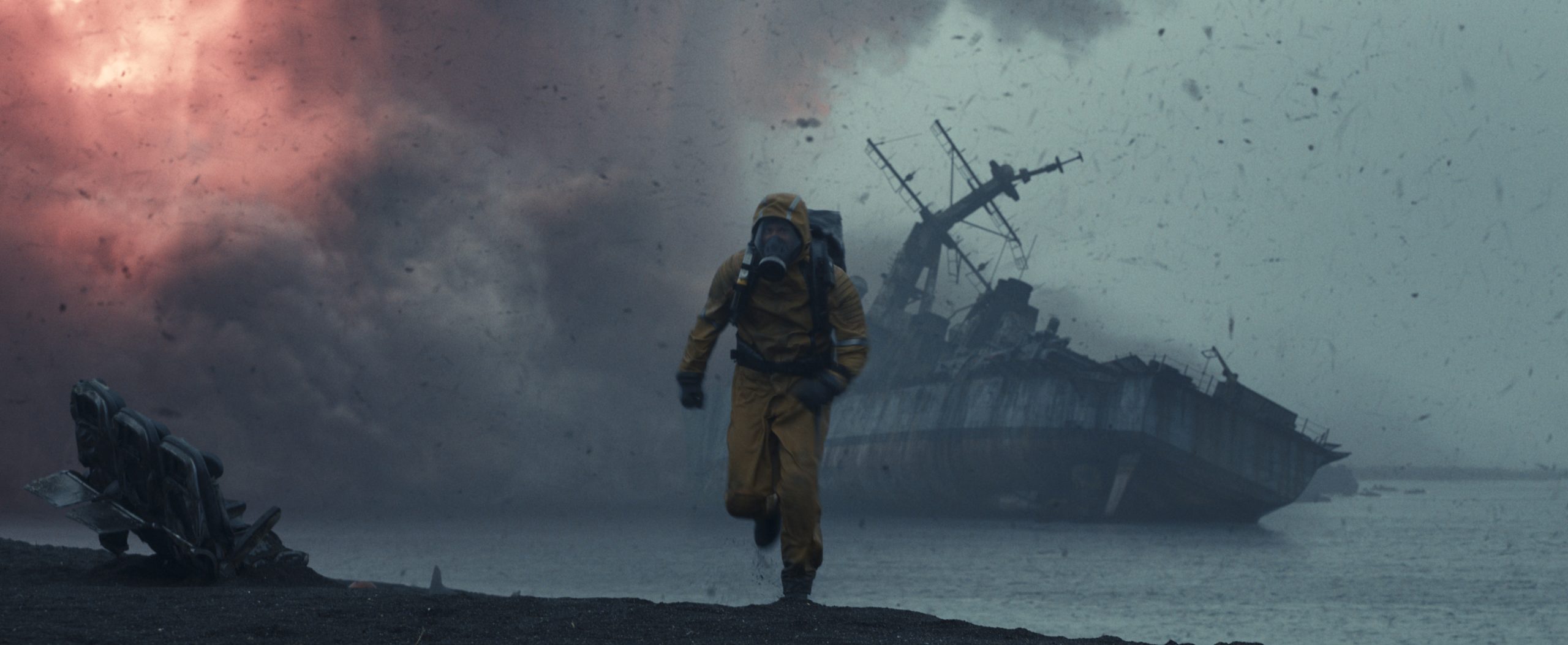
Just like with its predecessor, the film shines throughout many of its key disaster setpieces amidst more cliche plot beats. Nearly every set piece in this outing is filled with electric propulsion, where the scale of each disaster manages to be bigger than the first in almost every manner. Director Ric Roman Waugh has nailed a lot of the hallmarks of what makes disaster pieces work well.
The innovation between sequences of the Garrity’s making their way through the sea to board lifeboats with limited space after the destruction of what they called home for five years, crossing caravans with ladders and ropes, with the film’s blaring score ringing throughout, makes for a never-ending, stressful experience. Even more questionable scenes, that don’t involve disasters like unexpected shootings occurring throughout their journey, are great, with the action remaining the ultimate highlight of this sequel.
Surrounding the entirety of the journey, though, is the sequel’s obvious parallel to the COVID-19 pandemic and its ultimate message of hope within such a bleak environment. Throughout the film, many deaths or cruelties the Garrity’s witness aren’t even from the storms, debris, and hellish winds they face, but rather from regular people just like them, still fighting amongst themselves even in the worst of circumstances.
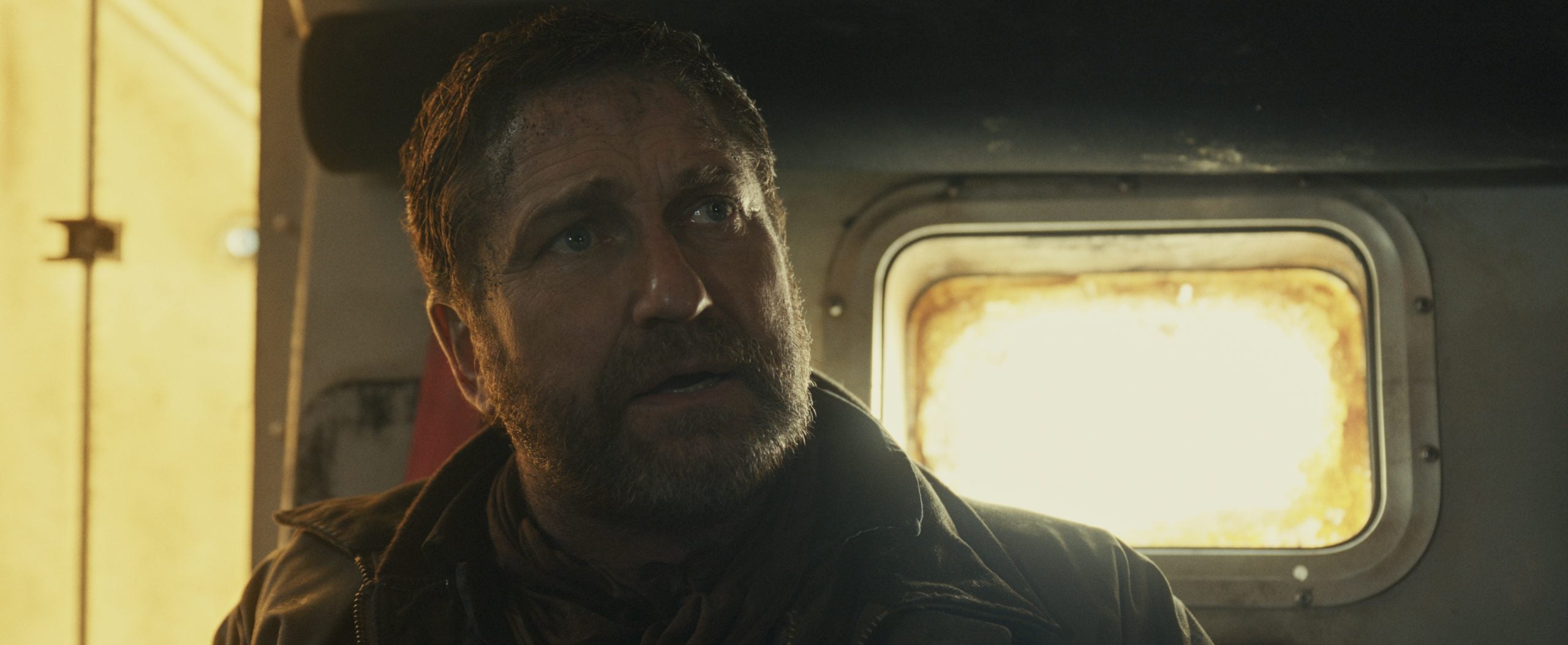
Despite this, John keeps telling himself that he will get his family to that promised land, not only to protect them, but to leave them a better world to live in for the future. In all fairness, there are many points where the film is at times laughably blunt about this (especially towards its conclusion), and the commentary present isn’t exactly revolutionary to witness, but it does deliver a great roundabout theming to these two films. Reflecting upon our own landscape with a message that’s admirable amidst a parallel world that’s also seemingly falling apart, even if through a different way, there may still be hope for a better tomorrow.
While Greenland 2: Migration acts as a reheated version of previously treaded ground in the first through many portions of its runtime, it has enough compact sequences that up the ante in the scale of its stakes and destruction, and offers an emotionally satisfying message for the hope of our own future even in the worst of circumstances.
Greenland 2: Migration is currently playing in theaters courtesy of Lionsgate.
While Greenland 2: Migration acts as a reheated version of previously treaded ground in the first through many portions of its runtime, it has enough compact sequences that up the ante in the scale of its stakes and destruction, and offers an emotionally satisfying message for the hope of our own future even in the worst of circumstances.

Lover of film writing about film. Member of the Dallas Fort-Worth Critics Association. The more time passes, the more the medium of movies has become deeply intertwined with who I am.