
Influencer culture used to feel messy in a fun way. A creator posted a chaotic vlog, a half-lit room tour, a random “get ready with me,” or a brutally honest product review filmed between errands. It felt personal. Not perfect, but personal.
Now, more of that world feels polished within an inch of its life.
That shift didn’t happen by accident. As creators rely more on brand deals, affiliate links, subscriptions, paid communities, and platform monetization, the way they create content starts to change. Not always in a dramatic way. Often, it’s quiet. A little less edge here. A safer caption there. Fewer risky opinions. More neutral language. More clean countertops. More “I’ve been loving this lately” moments.
And honestly, it makes sense. When your income depends on being brand-friendly, you start thinking like a media company, even if you’re still filming from your bedroom.
The creator is the product now
Here’s the thing: influencers don’t just sell products. They sell trust, taste, routine, identity, and access. A beauty creator sells the feeling of knowing what works. A fitness creator sells discipline and aspiration. A gaming streamer sells personality and belonging. A lifestyle creator sells a version of daily life that looks smoother than real life usually feels.
Brands know this. That’s why influencer marketing keeps growing. A sponsored post can feel warmer than a banner ad because it arrives through someone the audience already knows. The pitch is wrapped in a familiar voice.
But that also creates pressure. The creator has to stay relatable enough for followers and safe enough for advertisers. That’s a strange balance. Too polished, and the audience smells the script. Too raw, and a brand manager gets nervous.
So behavior shifts.
Creators start asking different questions before they post. Will this joke age badly? Will this rant scare off a sponsor? Will this outfit invite comments that distract from the campaign? Will this personal story make me look unstable, messy, or “off-brand”?
That last phrase matters. “Off-brand” used to be a business term. Now it follows people around like a shadow.
When every post feels like a pitch deck
Brand pressure doesn’t always look like obvious selling. Sometimes it looks like content becoming softer, safer, and more predictable.
A food creator stops reviewing restaurants harshly because partnerships matter. A travel creator avoids talking about bad hotel service because tourism boards watch closely. A parenting creator skips the hard parts of motherhood because family brands prefer calm, smiling homes. A wellness creator talks about balance, but not the panic attack that happened before filming.
You know what? That’s where things get complicated.
Creators deserve to earn. Content takes time, skill, planning, editing, and emotional labor. A 30-second video can take hours. A strong campaign needs analytics, revisions, usage rights, and reporting. There’s real work behind the casual “just posting” image.
Still, when content decisions begin to revolve around advertiser appeal, the audience can feel the temperature change. The creator who once sounded like a friend starts sounding like a brochure with better lighting.
Not fake, exactly. Just filtered.
That filter affects more than tone. It affects which stories get told, which products get praised, and which problems stay hidden.
Brand safety has become a quiet boss
Brand safety sounds boring, like something buried in a marketing deck. But it now shapes huge parts of influencer culture.
Brands want to avoid controversy. They don’t want their product next to political fights, public scandals, offensive jokes, misinformation, or even heavy emotional content. That’s reasonable from a business angle. No company wants a campaign screenshot showing up in a crisis thread on X.
But for creators, brand safety can become a soft cage.
They learn to avoid certain topics. They sand down opinions. They keep captions vague. They turn pain into “a hard season” and burnout into “taking a reset.” They talk around things instead of naming them.
That’s especially true in lifestyle, wellness, beauty, parenting, finance, and teen-focused content. These spaces depend on trust, but they also attract sponsors that care deeply about image. The result is a strange dance: be authentic, but not too authentic. Be vulnerable, but keep it neat. Be honest, but make it monetizable.
This is why disclosure matters. When followers know a post is sponsored, they can judge it with context. Clear disclosure doesn’t ruin trust. Hidden advertising does. A small “ad” label feels less damaging than pretending a paid campaign is just a casual Tuesday discovery.
Audiences are not clueless. They notice patterns. They see when every “favorite” item changes by campaign cycle. They see when a creator praises five competing skincare lines in two months. They see when grief, stress, or insecurity gets folded into a sales funnel.
And once trust cracks, it’s hard to glue back together.
The pressure hits younger audiences differently
Influencer behavior also matters because many followers are young. Teens and young adults often use creators as style guides, mood boards, big siblings, and social proof all rolled into one. That gives sponsored content extra weight.
A creator may see a brand deal as one post. A teen viewer sees a signal: this is what cool looks like, this is what healthy looks like, this is what success looks like.
That becomes sensitive when content touches beauty, body image, dating, mental health, gaming, or self-improvement. Even when nobody means harm, the feed can become a constant comparison machine.
There’s also pressure on young creators themselves. Teen influencers and college-age creators often learn early that personal pain can drive engagement, but polished pain gets brand deals. So they package identity, friendship, heartbreak, anxiety, and family issues into content that performs well without looking too risky.
That’s a lot for a young person to carry.
Some families dealing with emotional strain, substance issues, or mental health challenges already know how hard it is to separate performance from real life. Resources such as Addiction and mental health treatment in Massachusetts exist because the gap between looking fine and being fine can be wider than people think.
Online, that gap gets edited. It gets color-corrected. It gets posted at 7 p.m. because the analytics say that’s when the audience is most active.
Authenticity is becoming a business strategy
The funny part is that brands now want authenticity too. They ask creators to “make it feel natural.” They want the post to sound organic. They want real stories, not stiff ad copy.
But once authenticity becomes a campaign requirement, it gets weird.
Creators are asked to perform being themselves. They’re told to be honest, but within talking points. They’re asked to share personal experience, but only if it supports the product. They’re encouraged to sound casual, but the draft still goes through approvals.
That doesn’t mean every sponsored post is dishonest. Many creators only work with brands they like. Many turn down offers that don’t fit. Some are careful, transparent, and deeply protective of their audience.
But the system rewards smoothness. It rewards creators who can blend ads into everyday life so well that followers barely pause. A coffee sponsorship becomes a morning routine. A clothing deal becomes confidence. A finance app becomes adulthood. A supplement becomes self-care.
It’s clever. It’s also a little slippery.
That’s why the strongest creators are not always the ones with the cleanest grid. They’re the ones who can say, “This is sponsored,” and still sound like themselves. They can take the check without pretending the check isn’t there.
Burnout hides behind the brand smile
There’s another layer here: creators are under pressure to stay visible. Platforms reward consistency. Sponsors want campaign dates met. Audiences expect updates. Algorithms punish silence. A creator can take a weekend off and feel like they’ve disappeared from the map.
So they keep posting.
Even when they’re tired. Even when the content feels stale. Even when the comments are harsh. Even when life offline is heavy.
This pressure changes behavior too. Some creators become more guarded. Some become more reactive. Some chase trends they don’t care about because the rent is due. Some blur boundaries with followers because intimacy performs well. Some turn every private moment into possible content, then wonder why nothing feels private anymore.
And for younger creators, that can be especially rough. The line between normal self-expression and public performance gets thin. Therapy and mental health support, including options like Teen therapy in Redondo Beach, matter in these conversations because online pressure doesn’t stay online. It follows people into school, friendships, sleep, self-worth, and family life.
The brand smile can be convincing. That’s the problem. A creator can look booked, busy, glowing, and grateful while feeling trapped by the machine that pays them.
So what changes next?
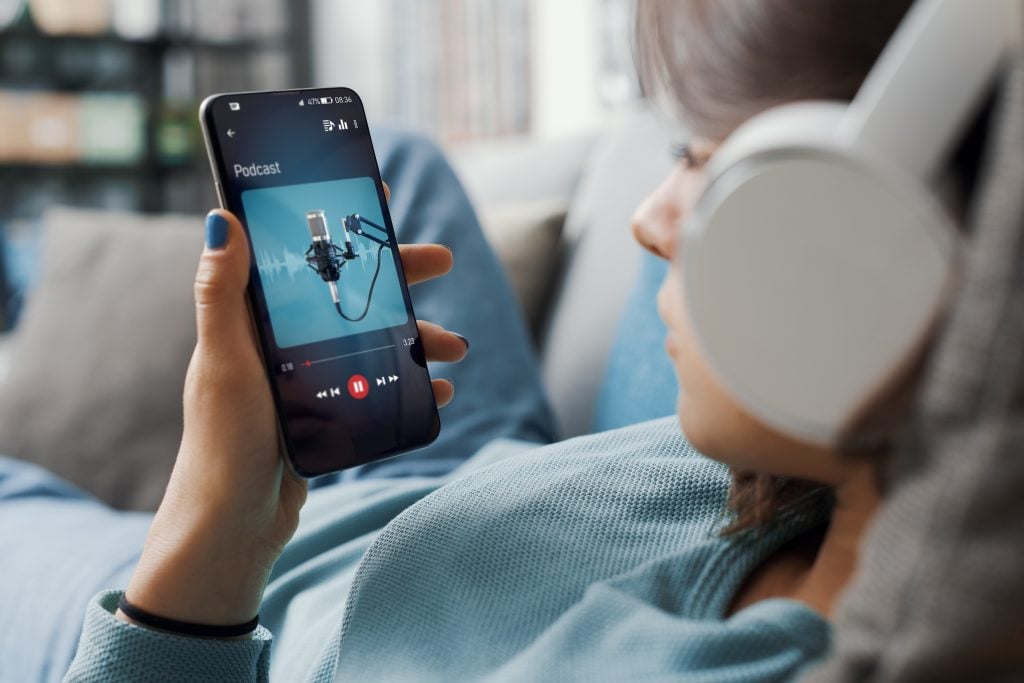
Influencer behavior will keep shifting as more money moves into creator-led media. The casual era isn’t gone, but it’s less innocent now. A TikTok, Reel, podcast clip, newsletter mention, or livestream shoutout can all be part of a paid strategy.
The audience knows it. Creators know it. Brands know it.
The real question is whether trust can survive the pressure.
It can, but only when the relationship stays clear. People don’t hate sponsorships. They hate feeling tricked. They don’t mind creators earning money. They mind when every opinion sounds rented.
The next stage of influencer culture will probably feel more professional, more regulated, and more carefully worded. But the creators who last will still be the ones who protect the human part: the odd joke, the honest aside, the real review, the post that doesn’t feel like it passed through six rounds of brand approval.
Because influence is not just reach. It’s belief.
And belief is fragile. Once an audience starts wondering whether a creator means it or just has a deliverable due, the whole thing changes.

Amanda Dudley is a lecturer and writer with a Ph.D. in History from Stanford University. After earning her doctorate in 2001, she decided to pursue a fulfilling career in the educational sector. So far, she has made giant strides by working as an essay writer for EssayUSA, where she delivers high-quality academic papers to students who need them.