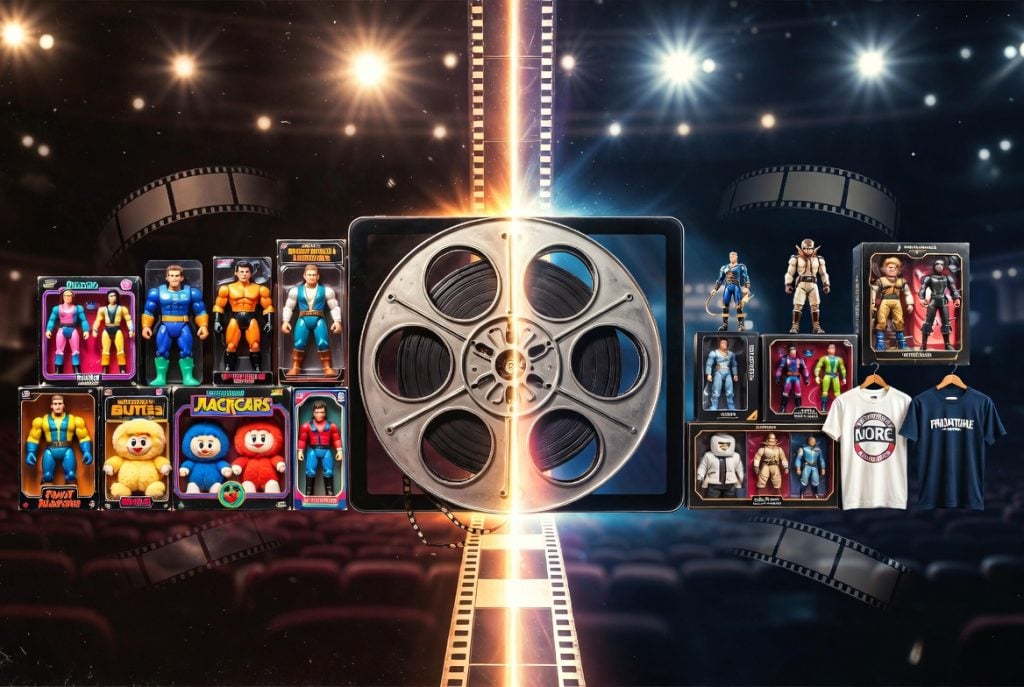
Movie merchandise has been part of the entertainment industry for decades, giving fans a way to bring a piece of their favorite films into everyday life. What began as a relatively small collection of promotional products has grown into a global market covering everything from toys and clothing to luxury collectibles and limited-edition collaborations.
The Early Days of Movie Tie-Ins
In the early years of cinema, movie merchandise was fairly limited. Studios might produce posters, souvenir programs, postcards, or small promotional items to build excitement around a release. These products were often available at theaters and were mainly designed to advertise the movie rather than generate significant revenue.
As Hollywood grew, studios began to recognize the commercial value of popular characters. Animated films were especially important in shaping the early merchandise industry. Characters that appeared on lunchboxes, watches, books, and clothing helped studios maintain audience interest long after a movie had left theaters.
The Rise of Toys and Action Figures
The development of blockbuster filmmaking changed movie merchandise dramatically. By the late 1970s and 1980s, action figures and playsets had become major parts of film marketing. Science fiction, fantasy, and superhero movies were particularly well suited to toy lines because their characters, vehicles, and imaginary worlds could be recreated as physical products.
Merchandise was no longer just an extra promotional tool. In some cases, it became a significant source of income. Studios began planning licensing agreements before films were released, while toy manufacturers worked closely with production companies to develop products that matched characters and storylines.
Clothing Becomes Part of Fan Culture
Movie-themed clothing also became more widely available. Basic logo T-shirts were joined by jackets, hats, sneakers, and accessories inspired by costumes seen on screen. Wearing movie merchandise became a way for fans to express their interests and connect with other members of a fan community.
Today, fashion brands regularly collaborate with movie studios on exclusive collections. Some releases are affordable and widely available, while others are aimed at collectors and sell out within hours. Enamel pins sit at the other end of that scale. They are worn and traded like clothing, but they are made in far smaller runs: personalised lapel pins from lapelpinnow.com start at 25 pieces per design, which puts a premiere badge or a fan club pin within reach of an independent production that could never fund a clothing line. Pins can also be numbered in sequence on the back by laser engraving, which turns a short run into a limited edition without the cost of a collectible statue.
The Growth of High-End Collectibles
Modern movie merchandise is not only designed for children. Adults now make up a large part of the collecting market, creating demand for detailed statues, replica props, signed artwork, and screen-accurate costumes.
Limited production runs have made some items highly valuable. Collectors may purchase merchandise as a hobby, an investment, or a way to display their connection to a particular film franchise. Studios have responded by producing premium products with elaborate packaging and certificates of authenticity.
Digital Merchandise and Interactive Experiences
The rise of streaming, gaming, and virtual spaces has introduced new forms of movie merchandise. Fans can now purchase digital costumes, character skins, virtual collectibles, and downloadable content linked to major releases.
At the same time, physical merchandise has become more personalized. Print-on-demand services allow fans and filmmakers to create smaller quantities of custom products without committing to expensive manufacturing runs.
Movie merchandise has evolved from simple theater souvenirs into a diverse industry shaped by technology, fashion, collecting, and fan culture. As audiences continue to look for new ways to engage with stories, merchandise will remain an important bridge between the screen and the real world.

Sometimes, your regular creative content just isn’t cutting. And when this happens, you realize it might be time to enlist the help of someone who secretly (to her kids) is a word ninja!
Yes, that’s me. I’m the word ninja and I’m your covert agent behind the scenes that can captivate your audience.