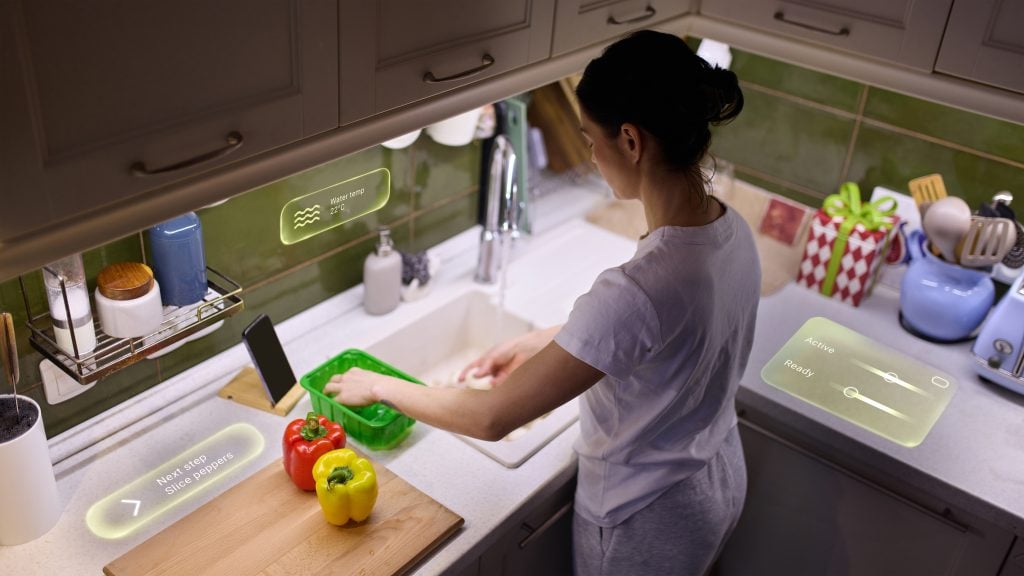
Kitchen tools with internet links keep track of heat, moisture, machine states, food keeping spots right when things change. Essential now in pro cooking spaces since they boost precision, cut down on thrown-out items, make handling meals less risky. Data moves to main screens so workers react fast to shifts people may miss otherwise. Some eateries run these setups to hold steady results during rush times along with meeting safety rules. With more auto features arriving in kitchens, smart sensors shape how teams see operations and choose next steps.
IoT Sensors Explained
Wireless signals carry readings from these sensors straight into cloud storage, ready for review or deeper look later. From their desks or on handheld screens, kitchen leads check patterns across days, spotting hiccups before they grow. With clear data in hand, staff adjust how they manage stock and care for machines without guessing. In some advanced setups, sensor insights are also connected to a cloud based pos environment, creating a unified system where sales data and kitchen conditions work together to improve efficiency.
Out here, tiny gadgets inside kitchens keep an eye on temperature, humidity, and gear status while meals get made or stored. These little monitors live in fridges, behind stoves, near worktops, even tucked into storage closets – sending fresh readings nonstop. When things shift – a fridge warms up, an oven runs hot – the team finds out fast. Seeing what’s happening right now means fewer ruined ingredients, less broken machinery. In many modern setups, sensor data is integrated with a restaurant pos system to connect kitchen activity with order flow, helping managers align production with demand more effectively.
Installing Sensors For IoT
Start by spotting where monitors matter most in the kitchen. Cold storage units often come first, then cooking gear, followed by prep surfaces nearby. After mounting each unit, link them one by one to a main base so info keeps flowing without pause. Where you put them affects how well they work – off-target positions miss key changes. Coverage gaps shrink when devices sit exactly where conditions shift fast.
Once installed, setup happens via a software interface where people adjust triggers and warnings. Say, cold storage temps get a fixed range, then workers get pinged the moment something drifts. Some companies feed those signals straight into live operation screens for faster reactions. Matching up detectors with current programs usually comes next, smoothing how they slot into routine tasks across kitchens or wider operations.
How Data Helps In Running A Commercial Kitchen
When IoT kitchen sensors start working properly, their collected data turns into a practical way to monitor how the kitchen runs. Because trends like busy meal hours, how often gear gets used, and shifts in fridge temps appear clearly, oversight grows sharper. Since inefficiencies stand out – like too many workers during slow periods or machines drawing excess power – adjustments happen naturally. As habits shift based on what the numbers show, daily workflows begin flowing better, almost without notice. With consistent feedback, keeping expenses steady becomes less guesswork, more routine.
Most times, sensor readings help teams choose smarter when things get hectic. A fridge acting up gives early warnings, so workers shift stock before anything goes bad. Equipment checks on ovens keep meals turning out right, while avoiding slow-downs mid-rush. With order apps running alongside, kitchen crews adjust faster to what customers want, keeping pace without jamming up.
Most busy kitchens now watch conditions closely using small digital trackers. These gadgets send updates instantly, helping staff notice problems before they grow. Instead of guessing when supplies run low, managers see exact levels thanks to live alerts. When machines start failing, warnings arrive early enough to act fast. One platform ties it all together – linking payments, orders, and cooking on one screen. Information flows without delays across devices stored online. Chefs adjust meals based on actual customer flow, not past habits. Over time, routines become smoother because patterns emerge clearly. Equipment stays in sync since performance is always visible. Mistakes happen less often once systems talk to each other. Reliability grows where details matter most. Kitchens adapt quicker when changes come suddenly. This shift isn’t rare anymore – many places rely on it daily.

Caroline is doing her graduation in IT from the University of South California but keens to work as a freelance blogger. She loves to write on the latest information about IoT, technology, and business. She has innovative ideas and shares her experience with her readers.