A decade ago, playing casino games online meant trusting a random number generator you couldn’t see. Cards were dealt by software, wheels spun by code, and the whole thing ran on faith that the algorithm was fair. That’s no longer the only option. The VegaStars Live Casino section is a good example of how far the format has come: real dealers, real tables, streamed in real time to a screen in someone’s living room. It’s a different kind of experience entirely, and the technology behind it is doing more work than most players probably realise.
VegaStars isn’t unique in offering this; plenty of platforms have added live tables over the past few years, but it’s a reasonable window into what the format actually delivers once the streaming and verification technology behind it is solid: a table game that feels like it’s actually happening somewhere, because it is.
A Format That’s Growing Faster Than the Rest of the Market
The numbers back up what’s happening on screen. The global live dealer casino market reached USD 8.6 billion in 2025 and is forecast to grow to USD 21.3 billion by 2034, a 10.3% compound annual growth rate. That’s a faster pace than most other online casino categories, and it’s being driven by two things: better streaming technology and a growing appetite for something that feels less like clicking a button and more like actually being at a table.
What Actually Separates a Live Table From a Regular One
The difference sounds obvious on the surface: real dealer versus algorithm, but it changes more about the experience than that single distinction suggests.
| Element | RNG Table Game | Live Dealer Game |
| Outcome generation | Software algorithm | Physical cards, wheel, or dice |
| Pace | As fast as you click | Set by the dealer and other players |
| Social element | None | Live chat with dealer and table |
| Verification | RNG certification | Visible action plus OCR validation |
What This Looks Like From the Player’s Side
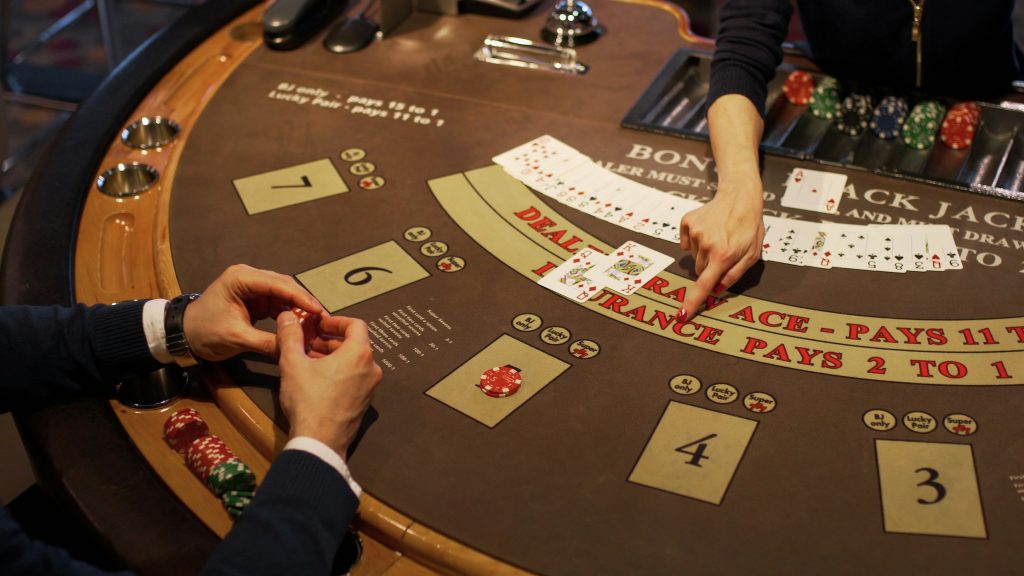
A real-world example makes the shift easier to picture. Someone sitting down at an RNG blackjack table clicks deal, sees an outcome, and clicks again. There’s no pace to it beyond the player’s own. Sit down at a live blackjack table instead, and suddenly there’s a dealer working through other players’ hands, small talk in the chat window, a shoe of cards actually being shuffled on camera. The math behind the game hasn’t changed. The experience of playing it has changed completely, because now there’s a rhythm to it that isn’t entirely up to you.
That rhythm is exactly what platforms like VegaStars are building their live sections around. A busy Friday night table moves differently to a quiet Tuesday afternoon one, simply because the number of other players at the table changes how quickly hands actually get through. It’s a small detail, but it’s the kind of thing that makes a live session feel distinct from one round to the next, which an RNG table by definition can’t really offer.
Why the Technology Had to Catch Up First
None of this was possible until streaming infrastructure got good enough to support it at scale. The global casino gambling market is projected to grow from USD 321.77 billion in 2025 to USD 624.04 billion by 2031, with live casino gaming specifically expanding at an 11.83% compound annual growth rate over that period as players seek dealer-led authenticity and premium streaming quality. That kind of growth doesn’t happen without the underlying tech holding up under real demand.
A few things had to come together for that to happen:
- Low-latency video, so the action on screen matches what’s actually happening at the table in something close to real time
- High-definition, multi-angle cameras, so players can actually follow a shuffle or a wheel spin clearly
- Systems that read outcomes directly from the table and feed them into the game interface automatically, keeping the digital display and the physical result in sync
- Servers that can handle thousands of people watching the same stream without lag piling up during peak hours
Part of a Bigger Shift in How Games Get Made
Live dealer formats aren’t an isolated trend. They’re one piece of a broader pattern of gaming technology maturing across the board, from graphics to networking to how games get built in the first place.
A look at how gaming technology has evolved more broadly points to the same underlying pattern: better infrastructure, from streaming to security to real-time data handling, keeps making formats possible that simply weren’t practical before. Live dealer games are a clear example of that idea playing out in a specific corner of the industry. Setting a time limit or a budget before a session starts is worth doing regardless of which format you’re playing, since a live table’s pace can make time pass differently than a quick round of RNG blackjack does.
Where This Leaves Online Casino Entertainment
What’s changed isn’t really the games themselves. Blackjack is still blackjack, roulette is still roulette. What’s changed is the sense that something real is happening on the other side of the screen, verified as it unfolds rather than trusted after the fact. That’s a meaningfully different kind of entertainment than clicking through an algorithm, and it’s why the format keeps growing faster than most of the rest of the market around it.
For players deciding where to spend time, that distinction is worth thinking about deliberately rather than defaulting to habit. An RNG table suits someone who wants a fast, self-paced session. A live table suits someone who wants the social texture of a real game, dealer included, even if that means giving up a bit of control over pace. Neither is objectively better. They’re just different products built on genuinely different technologies, and understanding that difference makes the choice between them an informed one rather than an arbitrary click.