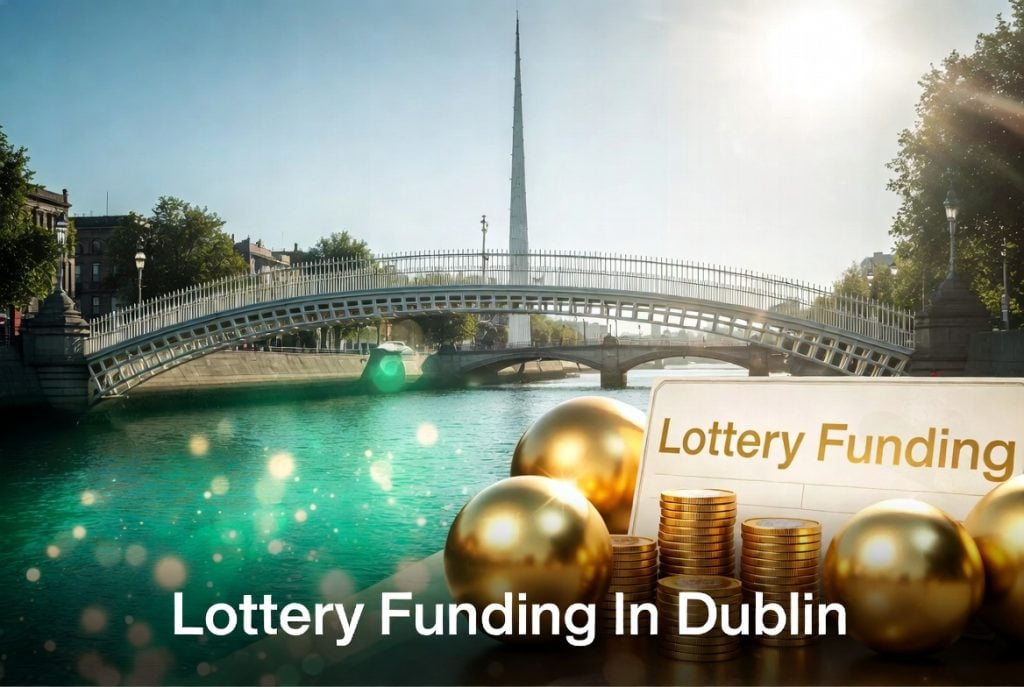
Lottery funding plays a significant role in shaping community life across so many different cities and towns; it is no different in Dublin. The funding goes towards supporting projects that range from arts and culture to sport, youth services, heritage, and social inclusion. Having a wide range of funding routes is important because it means more people can benefit from the money. While the lottery is often associated with games and entertainment, a substantial portion of revenue is directed into “Good Causes” that aim to improve everyday life across Ireland. In recent years, interest has also broadened beyond traditional draws, with options such as euro millions lotto betting proving popular among players.
In Dublin, this support is particularly visible because of the city’s size, diversity, and it is also because of the high concentration of organisations working in community development, culture, and public services. From small grassroots groups to national institutions based in the capital, lottery funding helps bridge gaps in areas where resources are limited or demand is high.
How Lottery Funding Works in Ireland
In Ireland, a portion of every National Lottery ticket sold is allocated to Good Causes, which means that around 30 cent in every euro goes towards this system. National Lottery Ireland then transfers this funding to the State, where it is distributed through different government departments.
These departments allocate funding based on sector priorities, including sport, arts, heritage, youth services, health, and community development. The system is designed so that funding is not controlled by a single organisation but is instead spread across public bodies and local programmes.
This structure means that projects in Dublin can be supported through multiple channels depending on their focus, size, and purpose.
Arts and Cultural Development in Dublin
One of the most visible areas of lottery funding in Dublin is the arts and cultural sector. The city has a strong creative identity, with theatres, music venues, festivals, and independent arts organisations all contributing to its cultural landscape.
Lottery funding helps support this ecosystem by funding both established institutions and smaller community-led initiatives. Grants often go towards theatre productions, touring performances, public art projects, and creative education programmes.
A strong example of how funding is used creatively is the “Festival in a Van” initiative, which received support through Good Causes funding. Arts Council Ireland has been heavily involved in distributing funding to projects of this kind, which bring live performance directly into communities, including outdoor spaces, care settings, and local neighbourhoods.
This approach helps make culture more accessible to all, especially for people who may not regularly attend traditional venues, for a variety of reasons, whether they have accessibility issues or cost. Instead of requiring audiences to travel, the performances come to them, widening participation across the city.
Across Dublin, similar funding supports independent theatre groups, community arts centres, music education projects, and festivals that contribute to the city’s cultural identity.
Youth Services and Community Support
Lottery funding also plays an important role in supporting youth services and community organisations in Dublin. These projects often focus on inclusion, well-being, education, and personal development for young people.
A key example is Belong To, a Dublin-based organisation supporting LGBTQ+ youth. With support from National Lottery Good Causes funding, the organisation has been able to deliver programmes that focus on mental health, inclusion, and safety in communities.
Sport and Grassroots Participation
Funding is often used to improve local sports facilities, upgrade community pitches, support coaching development, and encourage participation among young people. This includes investment in grassroots clubs as well as larger sporting organisations, too.
The aim is not only to improve facilities but also to increase access to sport across different communities. In many areas of Dublin, local clubs rely on this funding to maintain pitches, purchase equipment, or expand youth programmes. Most coaches, at this level, aren’t paid, so often funding even goes to supporting coaches to do their volunteering roles, as well.
While major national sporting projects sometimes receive attention, a large portion of funding is directed towards smaller clubs that form the foundation of everyday sporting activity in the city.
Heritage and Preservation Projects
Dublin’s historical significance means that heritage funding plays an important role in preserving cultural landmarks and promoting public engagement with history.
Lottery funding supports restoration projects, museum development, archival work, and educational programmes that help bring history to life. This can include the conservation of historic buildings, improved visitor access, and digital preservation of important records.
Heritage funding also helps modernise how history is presented, using exhibitions, interactive displays, and digital tools to make cultural heritage more accessible to wider audiences.
In a city with such a strong historical identity, this type of investment helps maintain a balance between preservation and modern public engagement.
Why Lottery Funding Matters in Dublin
Dublin is a growing and diverse city with increasing demand for better public services, cultural provision, and community support. Lottery funding plays a role in helping meet some of these needs by supporting projects that might not otherwise be prioritised in mainstream budgets. The funding and support also encourage participation in cultural, sporting, and social activities, making these opportunities more accessible to a broader population.
Conclusion
A lot of the system for funding operates behind the scenes, which means that the public might not even know about a lot of it, but its impact is visible in everyday life across the city.
Morgan Vance is an iGaming analyst with nearly a decade of experience covering online casinos and industry regulation. Known for breaking down complex betting systems into easy-to-understand insights, Morgan has reviewed over 500 casino platforms worldwide. His work often explores the intersection of blockchain technology and gambling, particularly the rise of crypto casinos and provably fair gaming.