

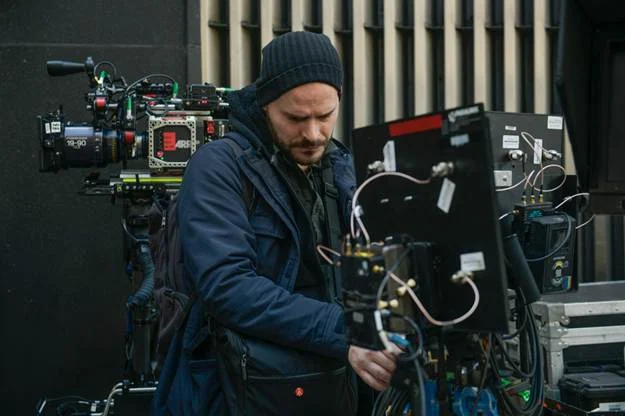
The excitement of watching a major film or television production often makes it easy to overlook the enormous amount of work happening behind the cameras. While actors, directors, and cinematographers receive much of the attention, successful productions depend on hundreds of professionals coordinating equipment, locations, transportation, schedules, and everyday operational responsibilities.
A busy film set functions much like a temporary industrial operation. Large crews work under demanding deadlines, expensive equipment moves between locations, and elaborate sets must remain ready for filming. Even relatively minor disruptions can create delays that affect multiple departments.
Keeping everything running smoothly requires careful planning, reliable infrastructure, and effective communication. From managing production waste to maintaining comfortable filming environments, the less glamorous aspects of filmmaking are often essential to delivering a finished project on time and within budget.
Managing Production Waste and Keeping Service Areas Operational
Major productions generate considerable amounts of waste, particularly when building sets, preparing locations, and accommodating large crews. Construction materials, discarded packaging, food containers, and equipment-related debris all require organized collection and disposal.
The locations used for waste handling also need regular maintenance. Production facilities may operate service yards where collection vehicles, dumpsters, and other equipment are exposed to dirt, grease, and demanding working conditions.
Industrial cleaning equipment plays an important role in maintaining these operational areas. An industrial pressure washer for waste management can support the cleaning of suitable waste-handling equipment, service vehicles, and designated maintenance surfaces. Such equipment offers a practical solution for facilities dealing with persistent grime and heavy daily use.
Film studios and production service providers benefit from maintaining clean, accessible working environments where waste can be handled efficiently. Well-organized facilities make it easier for crews to move equipment, manage deliveries, and complete essential operational tasks.
Effective waste management also supports broader sustainability efforts, particularly when productions introduce recycling programs and reduce unnecessary material consumption.
Maintaining Comfortable Sets During Animal Filming
Animals appear in many types of film and television productions, from family entertainment and historical dramas to advertisements and documentaries. Working with animal performers introduces additional responsibilities involving their welfare, transportation, accommodation, and the condition of filming environments.
Indoor locations used for scenes involving dogs, cats, or other domestic animals may require additional attention between takes. Soft furnishings, carpets, and enclosed spaces can retain unwanted smells, especially when several animals occupy the same location throughout a filming day.
Products such as pet odor eliminators provide options for maintaining freshness in environments shared with domestic animals. Azuna offers odor-control products designed for household spaces, demonstrating how specialized freshness solutions can complement regular cleaning in areas where animals spend time.
For production teams, maintaining pleasant indoor conditions is particularly important when locations must accommodate performers, technicians, and visitors throughout extended shooting schedules.
Animal handlers and location managers can coordinate suitable cleaning routines that respect the needs of each animal while keeping sets comfortable for the crew.
Coordinating Transportation Across Multiple Locations
Transportation is one of the most demanding logistical responsibilities on a large production. Equipment trucks, crew vehicles, mobile dressing rooms, and catering services may need to move between locations according to tightly organized schedules.
Location managers and transportation coordinators work together to establish access routes, parking arrangements, and delivery times.
A single delayed equipment truck can affect lighting preparation, camera setup, and the availability of other departments. Reliable communication is therefore essential when coordinating movements across several locations.
Productions also need to consider road restrictions, weather conditions, and the availability of loading areas.
Careful advance planning helps minimize disruptions while allowing teams to respond efficiently when unexpected changes occur.
Keeping Equipment Organized and Ready for Filming

Film and television productions depend on extensive collections of specialized equipment. Cameras, lenses, lighting fixtures, microphones, cables, and supporting hardware must remain organized and accessible throughout the shooting schedule.
Equipment departments usually follow detailed systems for checking, transporting, and storing valuable items. Proper labeling and inventory management help reduce the likelihood of misplaced components or unnecessary delays.
Preparation often begins before the crew arrives on location. Technicians inspect equipment, charge batteries, organize accessories, and confirm that essential items are available.
Backup equipment may also be necessary when a production cannot afford interruptions caused by technical problems.
These routines allow creative departments to focus on filming rather than repeatedly solving avoidable operational issues.
Managing Schedules and Communication Between Departments
A major film production involves numerous departments working toward the same objective. Costume designers, makeup artists, set decorators, lighting technicians, and camera crews must coordinate their activities carefully.
Assistant directors play a central role in managing the daily shooting schedule and communicating important changes.
Call sheets provide information about reporting times, filming locations, planned scenes, and other operational details. These documents help crew members understand what is expected during each working day.
However, schedules must remain adaptable. Changes in weather, actor availability, or technical requirements can force production teams to reorganize filming plans.
Clear communication helps departments respond without creating unnecessary confusion. Regular updates and clearly defined responsibilities contribute to more efficient collaboration.
Making Location Preparation Part of Production Planning
Choosing an attractive filming location is only the beginning of the location management process. Production teams must also determine whether the space can accommodate equipment, personnel, vehicles, and essential services.
Electrical access, restroom facilities, ventilation, noise conditions, and nearby parking can influence whether a location is practical.
Temporary structures may be required to support makeup departments, wardrobe changes, catering, or equipment storage.
Location teams also coordinate permissions, protect existing property features, and establish procedures for restoring spaces after filming.
These responsibilities become especially important when productions use historic buildings, private homes, or busy public environments.
Careful preparation helps protect property owners’ interests while allowing filming activities to proceed efficiently.
Why Strong Logistics Support Better Creative Results
Successful filmmaking depends on creativity, but even the most ambitious artistic ideas require dependable operational support. Directors and performers can concentrate more effectively when transportation, equipment, schedules, and filming environments are managed professionally.
Production managers must balance these responsibilities with budgets, deadlines, and changing creative requirements. Investing in preparation can reduce unnecessary disruptions and help departments make better use of available time.
Reliable logistics also encourage stronger working relationships. When departments understand their responsibilities and receive clear information, collaboration becomes easier throughout demanding production schedules.
Ultimately, the smooth operation of a major film or television production reflects the combined efforts of professionals whose work often remains invisible to audiences.
From waste management and location maintenance to equipment organization and crew coordination, these behind-the-scenes activities create the foundation for successful filmmaking. By treating operational planning as an essential part of the creative process, production teams can deliver ambitious projects while maintaining efficient, organized, and professional working environments.

Sometimes, your regular creative content just isn’t cutting. And when this happens, you realize it might be time to enlist the help of someone who secretly (to her kids) is a word ninja!
Yes, that’s me. I’m the word ninja and I’m your covert agent behind the scenes that can captivate your audience.