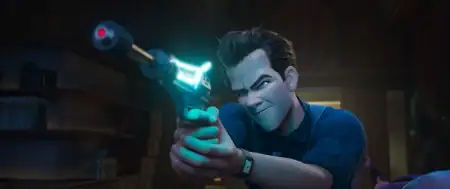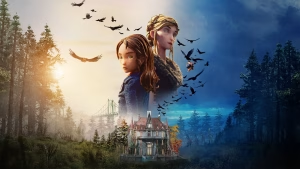
Movie making no longer begins only with cameras, actors, physical locations, and expensive editing software. AI video generation is giving independent filmmakers, marketers, storytellers, and creators a new way to visualize scenes before committing to a traditional production.
A written idea can become a cinematic clip. A character illustration can be animated into a performance. A reference video can guide camera movement or action, while an audio track can influence timing and atmosphere. These capabilities do not replace the craft of filmmaking, but they can make experimentation, pre-visualization, and short-form production more accessible.
Creators can explore Movie Maker with Seedance 2.0 AI by VideoWeb AI through a browser-based creative platform that combines AI video, image, and music-generation tools.
VideoWeb AI also offers a dedicated Seedance 2.0 AI video generator built around multimodal references, natural-language direction, character consistency, audiovisual generation, and controllable editing.
From a Film Idea to a Visual Draft
One of the hardest parts of movie production is communicating an idea before it has been filmed.
A screenplay may describe the atmosphere of a scene, but a director, producer, cinematographer, or client may imagine it differently. Storyboards help, although they do not always communicate movement, pacing, lighting changes, or the emotional effect of a camera move.
Seedance 2.0 can support early visualization by turning a scene description into a moving draft.
For example, a filmmaker could enter:
A lone detective enters an abandoned train station shortly before dawn. Cold blue light enters through broken windows while dust moves through the air. Begin with a wide establishing shot, then slowly track behind the detective as he approaches an old suitcase on the platform. Suspenseful pacing, realistic motion, subtle footsteps and distant metal sounds.
This prompt gives the model information about the character, location, lighting, camera behavior, pacing, and sound.
The resulting clip may not become part of the finished movie. It can instead function as a moving concept board that helps the team discuss framing, rhythm, production design, and atmosphere.
VideoWeb AI positions Seedance 2.0 for creative storytelling, short films, music videos, marketing content, educational videos, and other projects that benefit from controlled, reference-driven generation.
Work with Text, Images, Video, and Audio
Seedance 2.0 is presented as a multimodal video model. Rather than relying on a text prompt alone, users can combine several forms of input.
Text can explain the intended scene. Images can define characters, costumes, products, locations, or visual styles. Video clips can provide examples of movement, camera direction, or pacing. Audio materials can influence rhythm, mood, or audiovisual synchronization.
This is useful for filmmaking because creative direction is rarely contained in one source.
A director might use:
- A character portrait for appearance
- A location image for environment
- A short video for camera movement
- A music track for pacing
- A written prompt for the scene’s action
VideoWeb AI describes Seedance 2.0 as allowing multiple images, video clips, audio materials, and text descriptions to participate in the same generation process. Its page emphasizes that the references can guide visuals, movement, camera direction, and sound within a shared context.
This can reduce the amount of information that must be explained through text alone.
Preserve Characters Across a Scene
Character consistency is one of the most important challenges in AI filmmaking.
A visually impressive clip may still be unusable if a character’s face, hairstyle, clothing, body proportions, or accessories change from one shot to another. The problem becomes even more noticeable when creators attempt to build a sequence rather than an isolated clip.
VideoWeb AI presents visual and character consistency as one of Seedance 2.0’s core features. The model is described as maintaining faces, costumes, styles, and scene continuity across frames, making it relevant to recurring characters and serialized content.
Creators can improve their chances of consistency by supplying clear references and repeating important constraints.
A character prompt might include:
Preserve the character’s face, short black hair, brown leather coat, red scarf, and silver pendant from the supplied references. Do not change the costume or apparent age between shots.
Reference images should show the character clearly. Several angles may provide more useful information than one highly stylized portrait. The lighting and pose should also make important details easy to read.
Even with references, every output should still be reviewed carefully. AI video can introduce subtle identity drift, inconsistent accessories, or changes in facial structure.
Direct Camera Movement with Prompts
Camera direction is one of the main ways filmmakers control attention and emotion.
A static wide shot can make a character appear isolated. A slow push-in can increase tension. A handheld camera can create urgency, while a smooth tracking shot can make a scene feel polished and deliberate.
Seedance 2.0 allows creators to describe camera behavior in natural language. VideoWeb AI specifically highlights control over visuals, action, motion, camera direction, and sound.
Prompts can include directions such as:
- Slow dolly toward the subject
- Low-angle tracking shot
- Handheld camera with restrained movement
- Smooth orbit around the product
- Overhead camera descending toward the table
- Rack focus from foreground object to character
- Wide establishing shot followed by a close-up
- Fixed camera while the action moves through the frame
The instructions should remain physically coherent. Requesting several complicated camera moves in a very short clip can create unstable results.
It is often better to build one clear movement around one dramatic purpose.
For example:
Begin with a wide shot of the empty ballroom. Slowly move the camera toward the woman standing beneath the chandelier. As the camera approaches, she looks upward and the lights go out.
This gives the shot a simple beginning, progression, and final beat.
Build Short Multi-Shot Sequences
A film scene usually contains more than one shot. It may begin with an establishing view, move into a medium performance shot, and end with a close-up of an important detail.
Seedance 2.0 can help creators experiment with this type of structure. VideoWeb AI presents the model as useful for coherent narratives, structured short videos, product demonstrations, UGC clips, social videos, and cinematic scenes.
A prompt can divide the sequence into labeled shots:
Shot one: a wide view of a small spacecraft approaching a storm-covered planet.
Shot two: inside the cockpit, the pilot studies a flickering navigation display.
Shot three: close-up of the pilot’s eyes as a warning alarm begins.
Final shot: the spacecraft disappears into the clouds.
Clear labels help explain the intended order and visual progression.
For longer projects, creators may achieve more control by generating separate shots rather than requesting an entire scene at once. The strongest clips can then be assembled in a conventional video editor.
This also allows the filmmaker to adjust pacing, transitions, sound, and continuity manually.
Use Seedance 2.0 for Pre-Visualization
Pre-visualization helps filmmakers make expensive decisions before production begins.
A director can test whether a camera angle communicates the intended emotion. A production designer can compare different environments. A visual-effects team can examine how a large creature, vehicle, or magical event might interact with the scene.
Seedance 2.0 can support:
- Storyboard animation
- Scene blocking experiments
- Camera-movement tests
- Lighting and atmosphere studies
- Costume and character previews
- Visual-effects concepts
- Location alternatives
- Pitch videos and mood films
A filmmaker planning an action sequence could upload character and location references, then request a rough version of the movement. The output might reveal that the scene needs a wider environment, a simpler camera direction, or a clearer focal point.
The generated clip does not need to be technically perfect to provide value. It only needs to help the team make a more informed creative decision.
Create Short Films and Music Videos
Independent creators may also use Seedance 2.0 to produce short narrative pieces or music visuals directly.
The model’s combination of reference materials, movement, sound, and visual consistency can support experimental films, fantasy scenes, music-video fragments, visual poems, trailers, and concept teasers.
VideoWeb AI describes Seedance 2.0 as supporting natural audiovisual synergy, with sound participating in generation rather than being treated only as a separate final layer.
For a music-video concept, a creator might provide a track and request:
A singer walks alone through an empty neon-lit shopping center after midnight. Match major lighting changes and camera transitions to the rhythm of the supplied track. Use reflective floors, slow tracking shots, and dreamlike background movement. Preserve the singer’s face and silver outfit from the reference images.
The creator should still review the relationship between sound and image. Generated audio or synchronization may not always match the desired edit precisely, and final timing may need adjustment in post-production.
Extend and Revise Existing Clips
Movie making is an iterative process. A shot may need a longer ending, a different environment, or a corrected action.
VideoWeb AI lists video extension and local editing among Seedance 2.0’s core capabilities. The platform describes workflows for extending, joining, or modifying video segments while attempting to preserve unaffected portions.
This could help creators:
- Continue a shot beyond its original ending
- Add a new visual beat
- Replace part of a scene
- Adjust a background
- Modify character action
- Join related visual segments
- Rework a selected section without restarting entirely
Local editing can be especially useful when most of a generated clip works well but one moment contains an error.
However, creators should save earlier versions rather than assuming every revision will improve the result. A new edit may accidentally alter details that were correct before.
Combine AI Generation with Traditional Editing
Seedance 2.0 is most useful as one part of a complete movie-making workflow.
After generation, creators may still need to:
- Trim unstable frames
- Rearrange shots
- Correct pacing
- Add dialogue
- Mix music and effects
- Insert titles and credits
- Apply color correction
- Stabilize continuity
- Add accurate visual effects
- Export the final video
AI-generated text inside scenes may be inaccurate, so important signs, subtitles, credits, and titles are usually better added afterward.
Dialogue also requires careful handling. Even when audiovisual generation is available, filmmakers may prefer to record or generate final dialogue separately so they can control performance, pronunciation, timing, and sound quality.
Why Use VideoWeb AI?
VideoWeb AI provides a browser-based environment for testing AI video workflows without installing local models or maintaining technical infrastructure.
Its Seedance 2.0 interface currently includes prompt controls, start- and end-frame options, resolution, duration, ratio, prompt translation, and prompt optimization. The model page displays a 300-credit generation cost at the time of the latest crawl, although live credit requirements may change.
The broader platform also provides AI image, music, video-effect, and alternative video-model tools. Its pricing page lists free credits for new users and paid plans with different credit allowances, private generations, expanded history, and stated commercial rights. Users should verify the latest plan details and commercial-use conditions before publishing professional work.
Review Every Scene Before Publication
AI-generated movies can contain impressive imagery alongside small but important errors.
Creators should inspect each clip for:
- Changing faces or costumes
- Distorted anatomy
- Unnatural movement
- Incorrect object interaction
- Inconsistent architecture
- Continuity errors
- Unreadable signs
- Unwanted audio
- Sudden visual transitions
- Misleading product or brand details
Reference materials must also be used responsibly. Filmmakers should have permission to use uploaded footage, music, voices, character designs, trademarks, and personal likenesses.
AI should not be used to impersonate real people deceptively or reproduce copyrighted film properties without authorization.
A More Accessible Way to Explore Filmmaking
Seedance 2.0 does not eliminate the need for writing, directing, acting, editing, sound design, or artistic judgment. Its value lies in making visual experimentation faster and more accessible.
A filmmaker can turn a written scene into a rough clip, compare camera movements, explore atmosphere, animate concept art, or create a short pitch sequence before committing to a larger production.
Through VideoWeb AI, creators can access this workflow in a browser and combine prompts with image, video, and audio references. The model’s emphasis on reference-driven generation, continuity, camera control, audiovisual creation, extension, and editing makes it relevant to both early pre-production and short-form creative work.
The strongest results will still come from a hybrid approach: clear storytelling, carefully prepared references, structured prompts, selective generation, human review, and conventional post-production.
Used in that way, Seedance 2.0 can become less of an automatic movie machine and more of a flexible visual-production partner—helping creators move from imagination to a watchable cinematic draft with fewer barriers.

Sandra Larson is a writer with the personal blog at ElizabethanAuthor and an academic coach for students. Her main sphere of professional interest is the connection between AI and modern study techniques. Sandra believes that digital tools are a way to a better future in the education system.