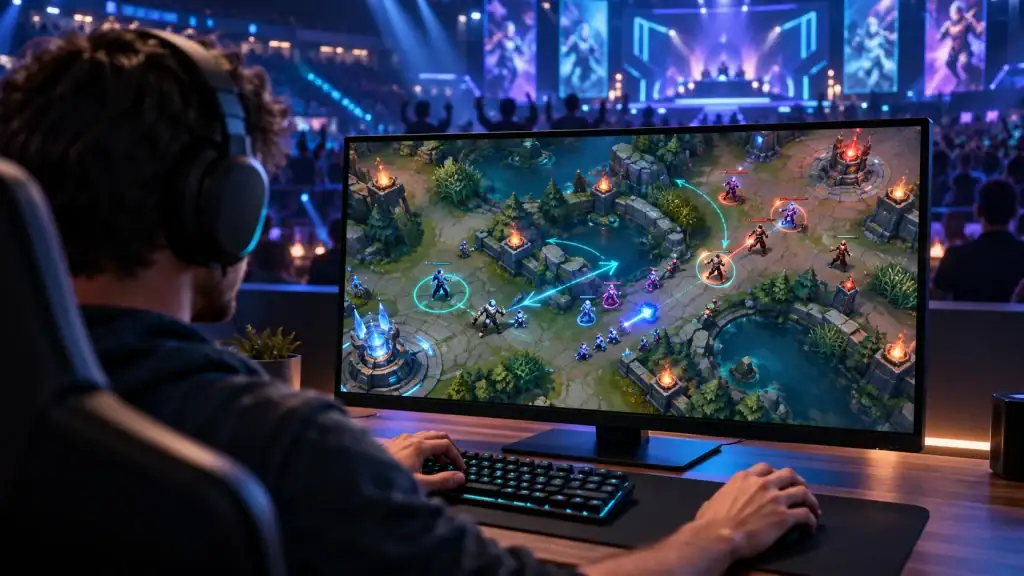
Watching esports can be entertaining even when you have never touched the game on screen. There is speed, competition, teamwork, and the tension of watching skilled players make decisions under pressure. Yet the experience changes once you have spent time playing the game yourself. Fans who follow competitive gaming through streams, tournaments, communities, or services such as the Merkur Xtip betting platform often bring their own gaming experience into the way they understand a match. A move that looks simple to a new viewer may seem remarkable to someone who knows how difficult it is to perform.
That connection between playing and watching gives esports an interesting quality as spectator entertainment. Many fans have direct experience with the same maps, characters, weapons, systems, or strategies used by professionals. They may never reach anything close to a professional level, but they know enough to recognise the skill involved. It is similar to watching an expert complete a task you have tried yourself. The better you understand the challenge, the easier it becomes to appreciate how good the best players really are.
Familiar Mechanics Make Great Plays Mean More
Every competitive game has mechanics that players need to learn. These may involve aim, movement, timing, resource management, positioning, or combinations of several skills at once. Someone seeing a game for the first time can recognise that a professional is playing quickly. A regular player understands why that speed matters.
A difficult shot provides a simple example. To an unfamiliar viewer, it may look like another successful hit. Someone who has spent hours trying to make similar shots knows how much precision it requires. The same applies to perfectly timed abilities, fast reactions, careful movement, and decisions made while several things happen on screen at once.
Personal experience also provides a useful sense of scale. Most players know what happens when they panic during an important match. They miss easy opportunities, react too slowly, or make choices they would avoid in a calmer setting. Watching a professional perform difficult actions under tournament pressure makes the achievement easier to understand.
This is one reason highlight clips are so popular within gaming communities. A spectacular play can be entertaining on its own, but knowledge of the game gives it extra meaning. Experienced viewers understand what could have gone wrong and how little room the player had for error.
Strategy Becomes Easier to See
Mechanical skill is only part of competitive gaming. Team-based esports also depend heavily on positioning, communication, timing, and decisions about when to attack or defend. These elements can be difficult to follow when someone does not know the game.
Playing creates a mental map of how a match normally works. Fans begin to understand which areas are important, when teams are taking risks, and why giving up one part of the map may help them gain something elsewhere. A quiet moment can become interesting because the viewer knows both sides are preparing for what comes next.
The same knowledge helps viewers understand choices that might otherwise look strange. A team may avoid a fight even when it appears to have an opportunity. A player might hold an ability instead of using it at once. Teams can give up an objective because contesting it would create a greater risk elsewhere. Familiarity with the game makes these decisions easier to read.
Professional broadcasts help by using commentators, replays, statistics, and visual tools to explain what is happening. Still, experience adds another layer. Players watching from home can compare professional decisions with situations they have encountered in their own matches. That makes strategy feel less abstract and more familiar.
Mistakes Look Different When You Know the Game
Knowing a game also changes how you see mistakes. Professional players operate at such a high level that it is easy to expect perfect decisions. Anyone who plays competitive games knows how unrealistic that expectation can be.
Games move quickly, and players often work with incomplete information. They have to predict what opponents will do while communicating with teammates and managing their own role. A decision that looks poor after a replay may have made sense based on the information available at the time.
Playing helps viewers recognise that difference. They may spot a missed opportunity, but they can also understand why it happened. Perhaps the player expected an opponent to be somewhere else. Maybe an important ability was unavailable. A teammate could have called for another plan. There are often several factors behind a mistake that looks obvious from the spectator view.
This understanding can make matches more interesting because viewers start thinking about decisions rather than judging only outcomes. They can ask what information the player had, what alternatives were available, and whether another choice would really have produced a better result.
Shared Experience Connects Players and Fans
Esports has grown around a close relationship between playing and watching. Fans can see professionals compete in a tournament and then load the same game later that evening. They can try a strategy they saw on stream, practise a difficult technique, or discover how challenging a professional move really is.
Streaming has made that connection even stronger. Professional players and creators can explain decisions, demonstrate techniques, and interact with viewers outside formal competitions. Fans do not encounter top players only during major events. They can follow their practice, personalities, and approach to the game throughout the year.
That shared experience gives esports much of its character. The gap in skill between an everyday player and a professional may be enormous, yet both operate within the same basic game. They know the same rules and face many of the same situations, even if they handle them very differently.
Playing a game is not required to enjoy watching it, but experience can reveal layers that are easy to miss from the outside. Mechanics gain context, strategies become clearer, and mistakes become more understandable. Most of all, viewers gain a personal reference point for the skill they see on screen. When you have tried something yourself, watching someone perform it at the highest level can make competitive gaming far more compelling.

Hi! I’m Bryan, and I’m a passionate & expert writer with more than five years of experience. I have written about various topics such as product descriptions, travel, cryptocurrencies, and online gaming in my writing journey.