Weekend camping offers a simple way to step away from busy routines and spend more time outdoors. Whether you are heading to a forest campsite, a lakeside location, or a remote trailhead, good preparation makes the experience more comfortable. Along with tents, cooking equipment, and clothing, modern campers also need to think about power. Phones, GPS devices, cameras, lights, portable refrigerators, and other electronics all depend on reliable energy.
For campers planning longer weekend trips, choosing practical equipment from providers such as ZOUPW helps create a more organized approach to portable power. However, buying a power station or solar panel is only one part of the process. You also need to understand how much energy your equipment consumes. An off-grid power consumption guide provides a useful framework for estimating energy requirements during a 48-hour outdoor trip.
Start With Your Essential Camping Equipment
The first step in preparing for a camping weekend is identifying what you actually need. Packing too much equipment adds weight and creates unnecessary power demands.
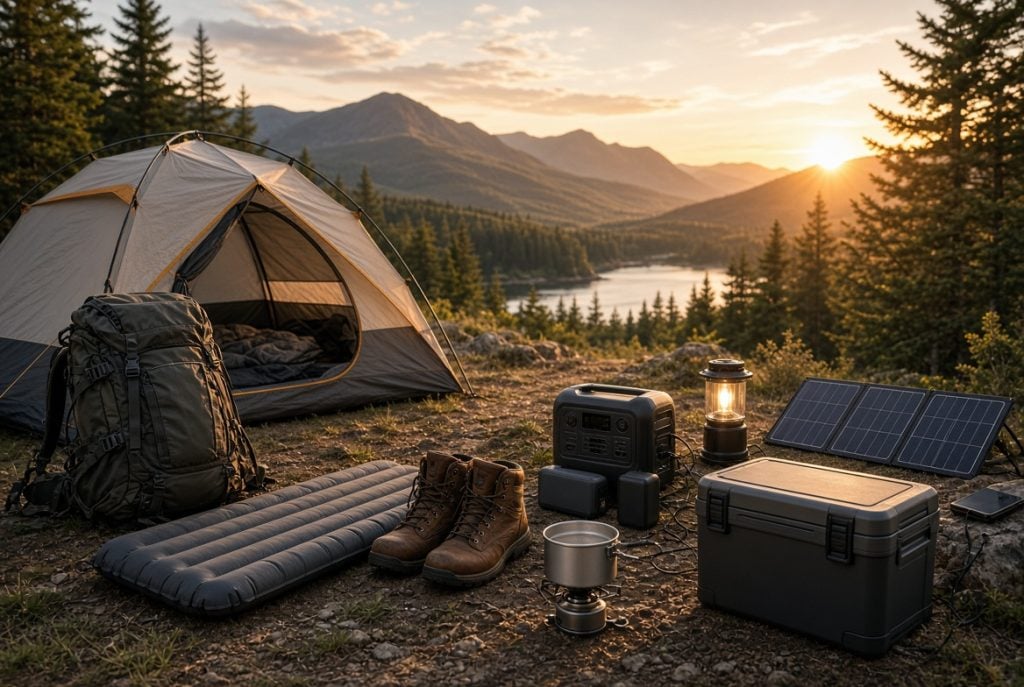
A practical weekend setup might include:
- Tent and sleeping equipment
- Portable stove and cooking supplies
- LED camping lights
- Smartphone and GPS device
- Portable power station
- Solar charging equipment
- First-aid supplies
- Water containers
- Weather-appropriate clothing
- Portable refrigerator or cooler
Your list should reflect the location and length of your trip. A campsite with vehicle access allows you to carry more equipment. A backpacking trip requires a lighter and more efficient setup.
Calculate Your Energy Requirements
Power planning becomes easier when you calculate your expected consumption before leaving home. Start by listing every device you expect to use and its power rating.
For example, suppose you bring a 10-watt LED light and use it for five hours each night. Its daily energy use would be approximately 50 watt-hours. A smartphone might require around 10 to 20 watt-hours for a full charge, depending on the model and charging habits.
Repeat this process for every device. Then add the daily totals and multiply the result by the number of days you will spend outdoors.
A simple calculation looks like this:
Power consumption = watts × hours of use
If a device uses 20 watts for three hours, it requires about 60 watt-hours.
This approach helps you avoid buying or carrying a power system that is either too small or unnecessarily large.
Use Solar Power During Daylight
Solar charging offers a practical option for campers staying away from electrical outlets. Portable solar panels convert sunlight into electricity, allowing you to recharge compatible power stations during the day.
Positioning matters. Keep panels exposed to direct sunlight and adjust their angle when practical. Avoid placing them under trees or beside structures that create shadows.
Weather also affects performance. Cloud cover reduces solar output, so your battery capacity should account for less productive charging periods.
A good system combines solar generation with battery storage. Solar panels produce energy during daylight, while the battery stores it for evening use.
Prioritize Your Devices
Not every electronic device deserves the same priority when power is limited. Essential communication and navigation equipment should come first.
A useful priority order might be:
- Emergency communication devices
- GPS and navigation equipment
- Essential lighting
- Medical or safety equipment
- Food storage equipment
- Cameras and entertainment devices
You can also reduce consumption by switching devices off when they are not needed. Lower screen brightness, enable battery-saving modes, and avoid leaving chargers connected unnecessarily.
Choose Gear for Your Camping Style
Your equipment should match the type of adventure you plan to take. Car campers have more space for larger batteries and solar panels. Backpackers need compact and lightweight solutions.
For frequent weekend trips, durable equipment also matters. Look for products designed for outdoor use and consider how easily they can be transported, stored, and set up.
A portable power system should fit naturally into your camping routine. If it takes too long to deploy or requires complicated connections, you are less likely to use it efficiently.
Prepare for Two or Three Days Off Grid
A two- or three-day trip requires more planning than an overnight stay. Estimate your total energy needs, add a reasonable reserve, and consider what you will do if solar charging is limited.
Before leaving, fully charge your power station and devices. Test your cables and adapters. Check weather conditions and identify backup charging options when available.
Most importantly, avoid treating electricity as an unlimited resource. Thoughtful consumption extends battery life and reduces the amount of equipment you need to carry.
Make Power Part of Your Camping Plan
Outdoor adventures become easier when power management is planned alongside food, shelter, water, and transportation. By calculating energy needs, prioritizing essential devices, and using solar charging where practical, campers gain more control over their equipment.
The goal is simple: carry enough power for your needs without allowing electronics to take over the camping experience. With the right gear and a clear consumption plan, a weekend outdoors can remain comfortable, connected, and genuinely off grid.

Robert Griffith is a content and essay writer. He is collaborating with local magazines and newspapers. Robert is interested in topics such as marketing and history.