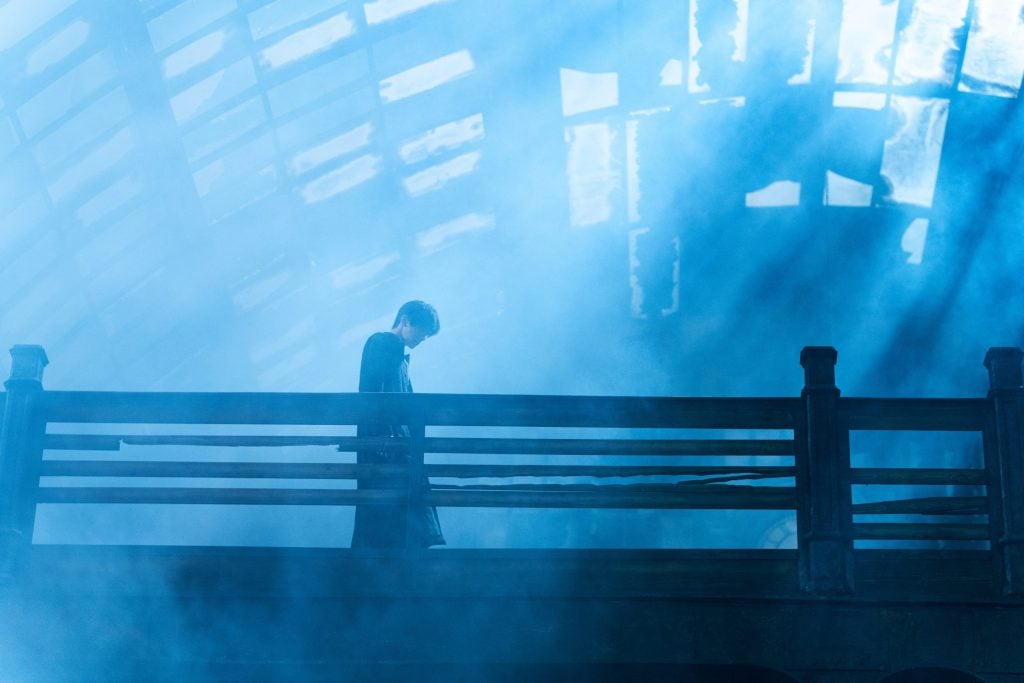
Bi Gan’s Resurrection was one of the buzzier films to come out of NYFF this past fall, with multiple friends texting me personally that I had made a mistake by skipping it for a friend’s birthday gathering. No disrespect to my friend, but those people were correct. I greatly regret not seeing Resurrection in that festival setting in one of my favorite theaters on the planet, Lincoln Center’s Walter Reade Theater.
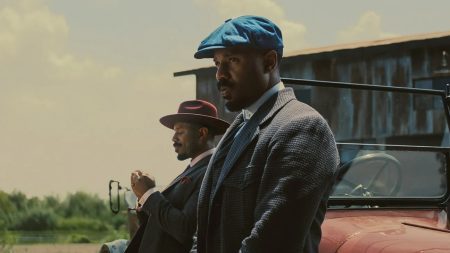
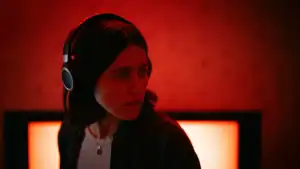
After months of missing out, I finally got to catch up on Bi Gan’s third feature, a visually stunning powerhouse that has so much going on it’s hard to choose what to discuss here. The film is set in a world where people no longer dream, but there are a few who still do, who pose a threat to the rest of the world. One “Deliriant” (Jackson Yee) is tracked down by The Big Other (Shu Qi), and as she is putting him out of his misery, she guides him through a few final dreams spanning various parts of Chinese history, in the format of different filmmaking styles and genres.
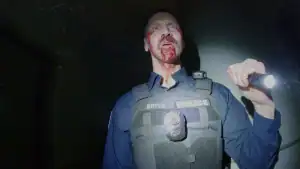
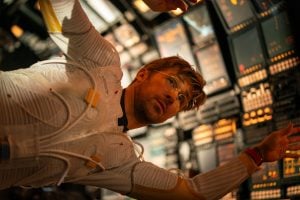
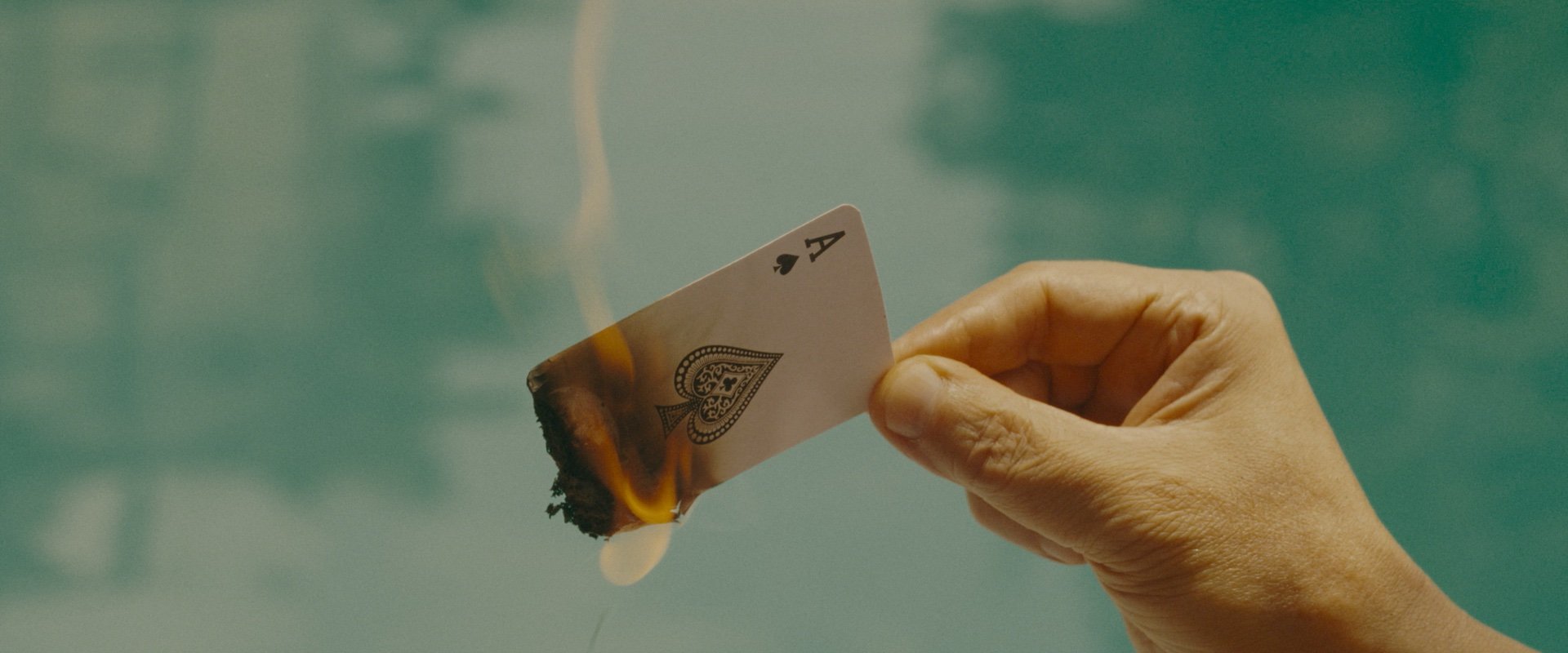
If there was ever a film to just let wash over you rather than working really hard to follow the plot, this is the one. Each vignette is wholly different than the last, having the occasional actor pop up from a previous one but with little connective tissue between them. Each one relates to one of the five senses, some more easily identifiable than others. Jackson Yee transforms slightly in each vignette, morphing into different characters as each dream shifts tonally and visually.
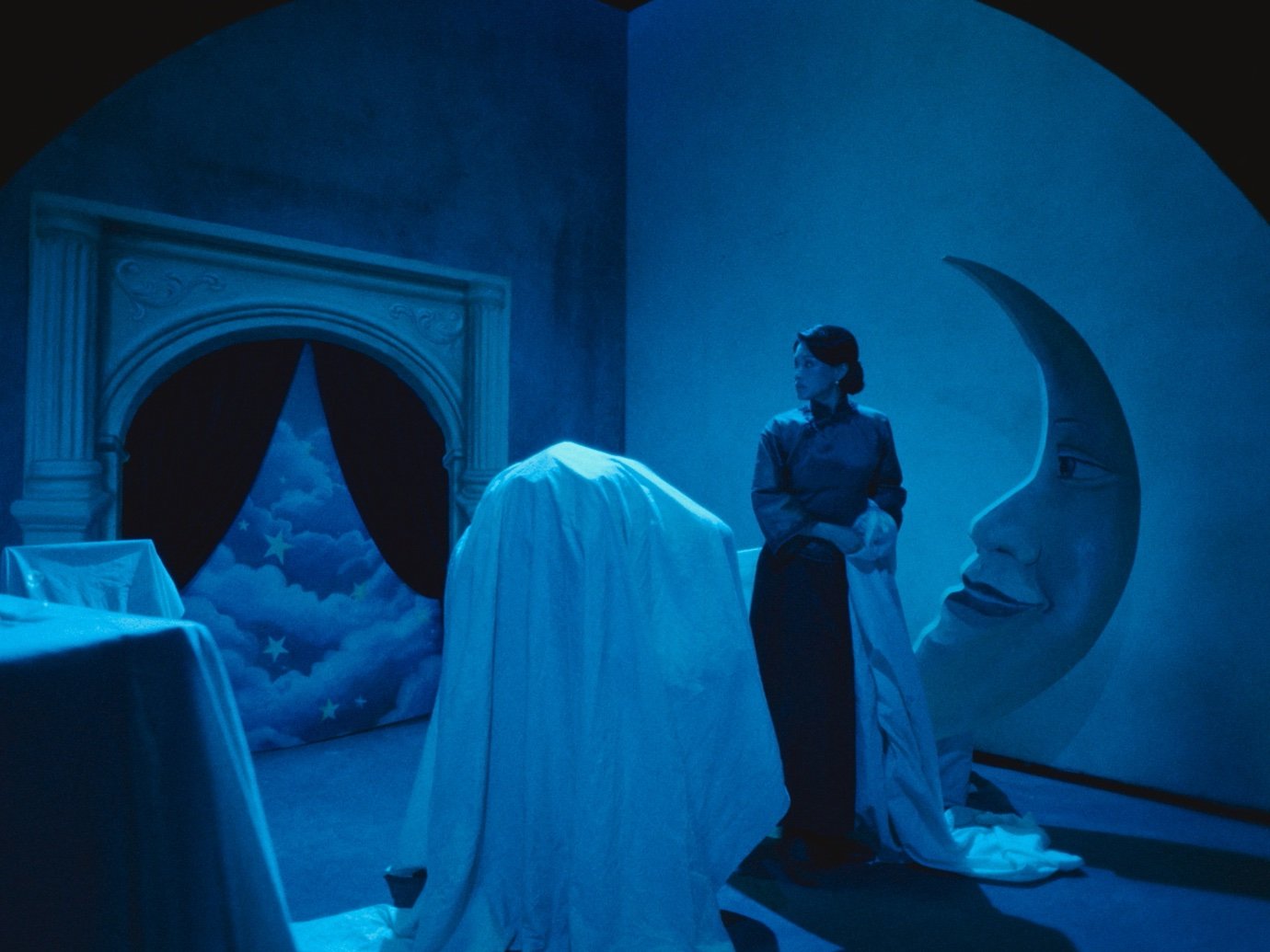
Yee has a very tough job, basically playing five different roles throughout the film. There are similarities in the first ones, a somber, brooding sensibility that works well in each dream. The last character, however, takes his performance to another level, playing the more energetic and infatuated Apollo against the neon red-lit sky in 1999 urban China. This final sequence is beautiful and propulsive, especially compared to the rest of the film.
The whole film is a wonder to look at, but I’d be doing the world a disservice by simply recounting each vignette briefly. I’m more interested in what Bi Gan is trying to say, or at least my take on what he’s saying. The film claims to describe a distant future, but I feel that future is already here. Particularly in America and countries with massive industrialism or financial economies, many people are unable to dream. Any dreams we have are forced out at a young age. We should just get whatever job we can, work at it forever, and find something small that brings us joy. This is the “American Dream” that was sold to us, or at least what it’s turned into as a best-case scenario.
There’s only one place left that we’re allowed to dream anymore: through film at the theater. You can take this as far as watching television or even reading fiction, but there’s nowhere that captures most of the senses like a dark, loud theater. I know for me this is the only place that I can let my imagination activate and not just dwell on the worries I’m experiencing through work or life in general. Bi Gan is emphasizing this sad reality through Resurrection. At this point of late-stage capitalism, we’re too far gone to fix our inability to dream. All we have is film and the arts to help us activate that part of our brain, and maybe a few people will be inspired to dream once more.
Resurrection is a masterclass of craft and filmmaking, taking its audience on a journey through 20th-century China. It may not have the narrative connective tissue that some are looking for in a movie like this, but I can assure you the entire experience is very much worth it. The visual and tonal journey in this film is quite the ride, and I hope that audiences will have the patience to sit with it and take each section as it comes.
Resurrection is currently playing in theaters courtesy of Janus Films.
Resurrection is a masterclass of craft and filmmaking, taking its audience on a journey through 20th-century China.
Proud owner of three movie passes. Met Harrison Ford at a local diner once. Based in Raleigh, NC.