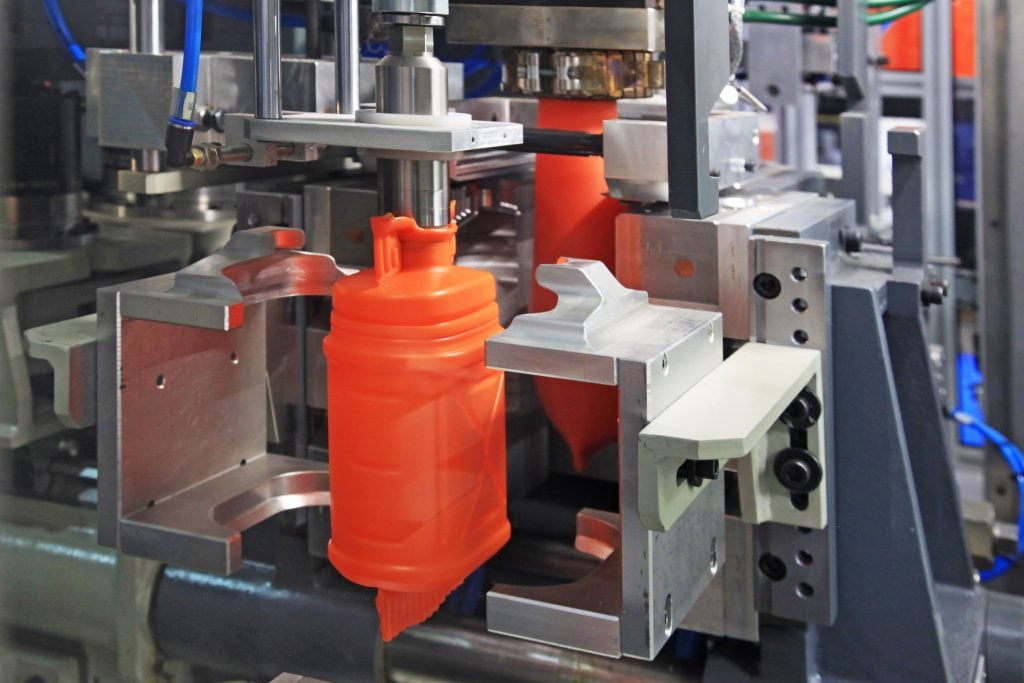
A single defect in 2K plastic injection moulding can cascade into thousands of rejected parts, wasted materials, and delivery delays that erode client trust. For quality assurance managers overseeing dual-material moulding operations, the margin for error is razor-thin. Material contamination between polymer layers, process variability across injection stages, and unchecked human intervention represent persistent threats that drive up scrap rates and inflate production costs. These challenges demand more than reactive fixes—they require systematic prevention. This article delivers actionable strategies built around Manufacturing Efficiency optimization and Robotic Integration to help you eliminate errors at their source. You’ll discover how to identify the most damaging defects in 2K moulding, implement core prevention strategies spanning process control and material purity, address your specific needs for continuous monitoring and reduced human error, and follow a step-by-step guide to achieve error-free production consistently.
Understanding Common Errors in 2K Plastic Injection Moulding
2K plastic injection moulding combines two different polymers into a single component through sequential or simultaneous injection stages. This dual-material process introduces complexity far beyond conventional single-shot moulding—each material must bond correctly, flow predictably, and cure within precise thermal windows. When any variable drifts, defects emerge rapidly.
The most damaging errors in 2K moulding include material separation at the polymer interface, where inadequate chemical or mechanical bonding causes delamination under stress. Short shots occur when insufficient material fills one or both cavities, producing incomplete parts. Flash develops when excess polymer escapes the mould parting line due to pressure imbalances between injection stages. Dimensional inaccuracies arise from differential shrinkage rates between the two materials, warping finished components beyond tolerance.
Each of these defects carries measurable financial consequences. Scrap rates climb, machine time is consumed by rework cycles, and downstream assembly operations stall when defective parts reach quality gates. For quality assurance managers, these errors represent more than production losses—they signal systemic vulnerabilities in process control, material handling, or equipment calibration that will recur until root causes are addressed. The urgency is clear: every unresolved error compounds across high-volume runs, turning minor process drift into significant quality failures that threaten customer relationships and profit margins.
Core Strategies for Error Prevention in 2K Moulding
Preventing errors in 2K plastic injection moulding requires a multi-layered approach that targets the root causes of defects rather than symptoms. Four interconnected strategies form the foundation of reliable, high-quality production: optimizing Manufacturing Efficiency to eliminate process-induced failures, deploying Robotic Integration for repeatable precision, establishing standardized process controls that remove guesswork, and maintaining material purity to prevent contamination-driven defects. When implemented together, these strategies create a production environment where errors become exceptions rather than recurring events.
Enhancing Manufacturing Efficiency to Minimize Downtime
Manufacturing Efficiency in 2K moulding starts with precise machine parameter optimization—barrel temperatures, injection pressures, and cooling times must be calibrated for each material combination. Implement preventive maintenance schedules that address wear on rotating platens, valve gates, and hydraulic systems before degradation causes process drift. Apply lean manufacturing principles to reduce changeover times between production runs, ensuring that setup errors don’t propagate into full batches.
Leveraging Robotic Integration for Consistent Precision
Robotic Integration eliminates variability in part handling, insert placement, and inter-stage transfers that human operators cannot replicate consistently across shifts. Select six-axis robots matched to your mould configuration, program them for exact repeatability in demoulding and repositioning sequences, and integrate their operation with your moulding machine’s control system so that timing between first and second shots remains synchronized within milliseconds. Manufacturers such as WEILAN MFG have demonstrated how tightly integrated robotic cells paired with advanced mould tooling can maintain positional accuracy within fractions of a millimeter across extended production runs.
Implementing Standardized Process Control for Reliability
Standardized process control transforms tribal knowledge into documented, enforceable procedures. Establish statistical process control charts for critical parameters—melt temperature, hold pressure, and cycle time—with clearly defined control limits. Train every operator and technician on these SOPs, and document all parameter changes with justification records so that process deviations are traceable and correctable.
Ensuring Material Purity to Prevent Contamination
Material contamination between polymer types causes bonding failures and visual defects that no downstream process can correct. Source resins from certified suppliers with batch traceability, store materials in controlled environments that prevent moisture absorption and cross-contamination, and conduct regular purity checks using melt flow index testing and spectral analysis before materials enter the production hopper.
Addressing Quality Assurance Managers’ Specific Needs
Quality assurance managers in 2K moulding operations face a dual challenge: they must detect defects before they multiply across production runs while simultaneously reducing the human factors that introduce variability. Meeting these needs requires purpose-built monitoring infrastructure and a deliberate shift toward automation-supported workflows that maintain consistency regardless of shift changes, operator experience levels, or production volume fluctuations.
Implementing Continuous Quality Monitoring Systems
Continuous quality monitoring transforms error detection from a post-production activity into a real-time prevention mechanism. Begin by deploying cavity pressure sensors and infrared temperature monitors at critical points within both injection stages—these sensors capture data on fill behavior, melt consistency, and cooling uniformity as each cycle completes. Connect these sensors to an IoT-enabled data acquisition platform that aggregates readings across every shot, creating a comprehensive process fingerprint for each part produced.
Configure analytics software to compare incoming data against established baselines derived from validated production runs. When cavity pressure deviates beyond acceptable thresholds or temperature profiles shift outside control bands, the system triggers immediate alerts to operators and supervisors, enabling intervention before defective parts accumulate. Over time, pattern recognition algorithms identify subtle trends—gradual nozzle wear, slow material degradation, or incremental hydraulic pressure loss—that would escape periodic manual inspections. This proactive approach directly reduces scrap by catching drift at its earliest stage, giving quality assurance managers documented evidence of process health and clear data trails for root cause analysis when deviations occur.
Reducing Human Error Through Automation and Training
Human error remains the single largest variable in 2K moulding operations, manifesting as incorrect insert loading, inconsistent cycle initiation, improper material changeover procedures, and undocumented parameter adjustments. Addressing this requires both removing humans from error-prone tasks and equipping them to perform remaining responsibilities flawlessly.
Automate repetitive, precision-critical tasks through Robotic Integration—deploy robots for insert placement, part extraction, and inter-cavity transfers where positional accuracy must remain within fractions of a millimeter. This eliminates fatigue-related mistakes that accumulate across eight-hour shifts. For tasks that still require human judgment, build structured training programs that go beyond initial onboarding. Conduct quarterly competency assessments on SPC interpretation, material handling protocols, and emergency response procedures. Pair this training with a quality culture that rewards early defect reporting rather than penalizing it, encouraging operators to flag anomalies before they escalate. Document every process interaction through digital work instructions displayed at each station, ensuring that Standardized Process Control principles guide every decision point on the production floor.
Step-by-Step Implementation Guide for Error-Free Production
Achieving error-free 2K moulding production requires a phased approach that builds capability systematically. Begin with a comprehensive assessment phase: audit current scrap rates, categorize defect types by frequency and cost impact, and map every point where human intervention touches the process. This baseline reveals where Manufacturing Efficiency gains will deliver the greatest return and where Robotic Integration should be prioritized.
Move into the planning phase by selecting specific interventions matched to your highest-impact failure modes. Define measurable targets—such as reducing scrap below 1.5% or eliminating manual insert loading errors entirely—and assign ownership to cross-functional teams spanning engineering, quality, and operations. Secure budget for sensor infrastructure, robotic cells, and training program development during this stage.
Execute in controlled stages rather than attempting facility-wide transformation simultaneously. Install continuous monitoring systems on your highest-volume moulds first, validate that alert thresholds catch real defects without generating false positives, then expand coverage. Deploy robotic automation on one cell, refine programming through production trials, and standardize before replicating across additional lines. Update SOPs concurrently so that Standardized Process Control documentation reflects actual practice.
Finally, establish a quarterly review cycle where quality assurance managers evaluate trend data from monitoring systems, assess training effectiveness through competency scores, and recalibrate control limits based on accumulated production evidence. This continuous improvement loop ensures that error prevention evolves alongside material changes, new product introductions, and equipment aging—keeping your 2K moulding operation consistently within specification.
Building a Sustainable Error Prevention Discipline in 2K Moulding
Error prevention in 2K plastic injection moulding is not a one-time initiative—it’s an operational discipline that separates high-performing facilities from those trapped in cycles of scrap, rework, and customer complaints. The strategies outlined here work because they target root causes systematically: Manufacturing Efficiency optimization eliminates process-induced failures through precise calibration and preventive maintenance, while Robotic Integration removes the variability that human operators inevitably introduce across shifts and production runs. Standardized Process Control ensures that proven methods persist regardless of personnel changes, and material purity protocols prevent contamination from undermining even the most refined processes.
For quality assurance managers, these approaches deliver measurable outcomes—lower scrap rates, reduced downtime, traceable process data, and the confidence that comes from knowing every production variable is monitored and controlled. The long-term benefits extend beyond cost savings: consistent quality strengthens client relationships, supports premium positioning, and creates competitive differentiation in markets where reliability commands loyalty. Begin with your baseline assessment this week, prioritize your highest-impact failure modes, and commit to the phased implementation approach. Every cycle that runs within specification builds momentum toward the error-free production standard your operation demands.

Caroline is doing her graduation in IT from the University of South California but keens to work as a freelance blogger. She loves to write on the latest information about IoT, technology, and business. She has innovative ideas and shares her experience with her readers.