In the visual storytelling of cinema and television, costume design is rarely just about aesthetics; it is a profound extension of character development. While a script provides the dialogue, it is the wardrobe that often delivers the subtext. Among all accessories in film history, nothing carries the structural weight, psychological depth, and instant recognizability of a hat. From the dust-covered trails of classic Westerns to the shadow-drenched corridors of Neo-Noir thrillers, headwear has served as the ultimate exclamation point on a character’s identity.
As we look at the landscape of modern pop culture, audiences are becoming increasingly fascinated by the specific artifacts that define their favorite on-screen personalities. This obsession has triggered a massive revival in premium, historically accurate millinery. Today, movie enthusiasts and style purists are no longer satisfied with cheap, plastic replica props. Instead, they are looking toward luxury design houses to experience the exact weight, texture, and presence of legendary silhouettes. This movement bridges the gap between cinematic appreciation and high-end fashion, proving that the garments we watch on screen have a powerful second life in the real world.
The Western Crown: Engineering the Frontier Silhouette
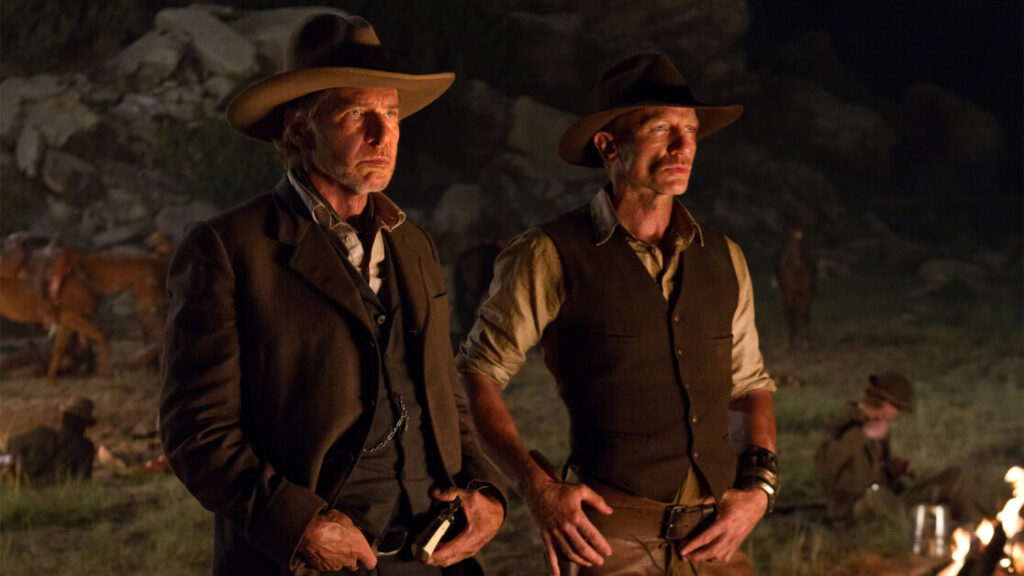
To truly appreciate the impact of headwear in entertainment, one must begin with the ultimate symbol of American mythmaking: the cowboy hat. In early Hollywood Westerns, the hat was a binary moral code. White hats belonged to the infallible heroes, while pitch-black brims immediately signaled the arrival of the antagonist. However, as cinema evolved into the gritty, morally ambiguous territory of the 1960s and 1970s, the headwear changed accordingly. Brims became weathered, crowns became uniquely creased, and the texture of the material began to tell a story of survival.
Think of Clint Eastwood’s iconic silhouettes in the Spaghetti Western era—the hat was not just a shield against the desert sun, but a tool of cinematic tension. The wide brim partially obscured his eyes, forcing the audience to focus on his gaze and allowing directors to play with extreme close-ups. The structural geometry of the Western hat cuts a distinct silhouette against any background, making the character instantly identifiable even from a distance.
In modern television, this tradition continues to thrive. Premium dramas have reintroduced the rugged elegance of the frontier to a brand-new generation of urban viewers. Whether it is a sharp, cattleman crease or a low, dramatic telescope crown, these pieces bring an undeniable aura of authority and resilience to the screen. The meticulous process of hand-blocking these historical shapes ensures that the hat feels like an organic extension of the character’s history rather than a dynamic piece of wardrobe added at the last minute.
The Neo-Noir Fedora: Shadows, Mystery, and Sharp Tailoring
Moving away from the open plains and into the rain-slicked streets of urban cinema, the Fedora stands as the undisputed king of the silver screen. Originally rising to prominence in the golden age of 1940s Hollywood noir, the Fedora became synonymous with the cynical private eye, the smooth-talking gangster, and the tragic anti-hero. Actors like Humphrey Bogart transformed the snapped-down brim into a universal symbol of mystery and sophistication.
The brilliance of the Fedora lies in its interaction with cinematic lighting. In classic black-and-white cinematography, the crisp edge of a fur felt brim created sharp, geometric shadows across an actor’s face, perfectly complementing the moody, high-contrast visual style of the genre. When a character stepped into the misty glow of a streetlamp, the subtle sheen of premium felt caught the light in a way that synthetic wool alternatives simply could not replicate
Decades later, this silhouette remains an essential shorthand for cinematic cool. From adventurous archeologists to high-concept sci-fi protagonists, the Fedora is utilized by directors to convey a sense of timelessness. It is an accessory that commands respect and immediately elevates the structural lines of any ensemble, cutting through the noise of fleeting metropolitan trends.
From the Screen to the Wardrobe: The Preservation of Craft
For the global community of cinephiles and design purists, discovering the exact origins and cultural context of these pieces is part of the viewing experience. Audiences frequently dissect every frame to analyze the material density, brim width, and ribbon styles of iconic characters. This collective curiosity is exactly why specialized design platforms have emerged to document the history of wardrobe engineering.
If you are looking to dive deeper into the specific styles that defined your favorite eras of entertainment, you can explore the comprehensive breakdown of famous cowboy hats in movies and TV shows, which serves as an incredible archival resource for both fans and fashion historians. This detailed chronicle highlights how different productions customized their headwear to match the thematic tone of their stories.
When premium brands like LBORA recreate these legendary shapes for the modern wardrobe, they do not rely on mass-production automated machinery. Instead, they approach each piece through the lens of preservation. True luxury headwear relies on the traditional mastery of material science—specifically, the microscopic density of high-grade fur felt. This natural fiber offers a structural memory and weather resistance that allows a hat to retain its hand-sculpted form through decades of wear, gradually developing a unique patina that reflects the journey of its owner.
The Creative Future of Narrative Fashion
As the global entertainment landscape continues to expand through streaming platforms and cinematic universes, the relationship between costume design and consumer reality will only grow stronger. Audiences no longer want to just watch a story; they want to inhabit it. The resurgence of luxury, cinema-inspired headwear is a direct manifestation of this cultural shift.
By choosing artisanal construction, hand-dyed natural fibers, and historical blocking techniques over the disposable trends of fast-fashion, modern wearers are making a deliberate statement. They are celebrating the timeless art of visual storytelling while investing in a permanent masterpiece for their personal wardrobe. Whether you are walking through the crowded streets of a bustling metropolis or attending an exclusive pop-culture exhibition, a meticulously crafted brim allows you to carry a piece of cinematic history with you, turning every sidewalk into a scene of your own making.