Credit Line oasisamuel – stock.adobe.com
The automotive industry has undergone a remarkable transformation over the past few decades, with technology becoming a defining factor in vehicle design and performance. Among the manufacturers leading this evolution is Honda, a brand known for combining reliability, innovation, and driver-focused engineering. From early safety enhancements to today’s advanced driver-assistance systems and intelligent connectivity features, Honda has consistently embraced technology to improve the driving experience.
Consumers searching for the Best Honda dealer in Virginia often discover that modern Honda vehicles offer far more than dependable transportation. Today’s models feature sophisticated smart driving technologies designed to enhance safety, convenience, efficiency, and confidence behind the wheel. These innovations represent years of research and development aimed at creating vehicles that not only respond to driver needs but also help anticipate potential challenges on the road.
Understanding how Honda’s smart driving features have evolved provides valuable insight into the company’s commitment to innovation and its vision for the future of mobility.
Honda’s Early Commitment to Safety Technology
Honda’s journey toward smart driving technology began long before advanced electronics became common in vehicles. The company has always prioritized safety, introducing engineering solutions that helped drivers maintain better control and avoid accidents.
Early innovations focused on improving vehicle structure, braking systems, and crash protection. Features such as anti-lock braking systems and electronic brake distribution marked important milestones in Honda’s technological development. These systems enhanced vehicle stability and reduced stopping distances under challenging conditions.
As automotive technology advanced, Honda recognized that electronics and computer systems could play an increasingly important role in supporting drivers. This realization laid the foundation for many of the intelligent safety technologies that would emerge in later years.
Honda’s proactive approach to safety established a culture of continuous innovation that remains evident in its vehicles today.
The Introduction of Intelligent Driver Assistance
As sensors and computing capabilities became more sophisticated, Honda began introducing driver-assistance technologies that could actively monitor road conditions and support driver decision-making.
Rather than simply reacting to accidents, these systems focused on helping drivers avoid dangerous situations altogether. Cameras and radar sensors enabled vehicles to detect surrounding traffic, monitor lane positions, and assess potential collision risks.
This shift represented a major evolution in automotive safety philosophy. Vehicles were no longer passive machines that relied entirely on driver input. Instead, they became intelligent partners capable of providing warnings and assistance when needed.
Honda’s commitment to developing these technologies helped establish the company as a leader in advanced driver-assistance systems.
Honda Sensing and the Rise of Smart Safety
One of the most significant developments in Honda’s technological evolution was the introduction of Honda Sensing. This comprehensive suite of safety and driver-assistance technologies brought multiple intelligent features together under a unified system.
Honda Sensing uses a combination of cameras, sensors, and software to monitor the vehicle’s environment and provide real-time assistance. Drivers looking to modernize their Honda’s connectivity experience can also explore Apple CarPlay and Android Auto upgrade kits through retailers like Get Car Tech, which offer compatible solutions for models that didn’t come with these features from the factory. The system has become a defining feature across much of Honda’s lineup and continues to evolve with each new generation of vehicles
Key technologies commonly included within Honda Sensing include:
- Collision Mitigation Braking System
- Lane Keeping Assist System
- Adaptive Cruise Control
- Road Departure Mitigation
These features work together to improve awareness, reduce driver workload, and help prevent accidents. Their widespread availability reflects Honda’s goal of making advanced safety technology accessible to a broader range of drivers.
Adaptive Cruise Control Changes Highway Driving
Traditional cruise control systems allowed drivers to maintain a constant speed, but they required frequent adjustments when encountering slower traffic. Honda addressed this limitation through the development of Adaptive Cruise Control.
This technology uses sensors to monitor the distance between vehicles and automatically adjusts speed to maintain a safe following distance. The result is a more comfortable and less stressful driving experience, particularly during long highway journeys.
Adaptive Cruise Control has become increasingly sophisticated over time. Modern versions can operate in stop-and-go traffic, making them useful in both highway and urban driving environments.
By reducing the need for constant acceleration and braking adjustments, this technology contributes to greater convenience and improved driver comfort.
Lane Assistance Technologies Improve Awareness
Another major advancement in Honda’s smart driving evolution involves lane-monitoring and lane-assistance technologies. These systems help drivers remain aware of their position within a lane and can provide corrective steering assistance when necessary.
Using forward-facing cameras, Honda vehicles can detect lane markings and monitor vehicle movement. If the system senses unintentional lane departure, it may issue alerts or gently guide the vehicle back toward the center of the lane.
These technologies are especially valuable during long trips, when driver fatigue can increase the likelihood of drifting from the intended path.
As Honda continues refining its lane-assistance systems, drivers benefit from improved confidence and additional support during everyday driving situations.
Connectivity Becomes Part of the Driving Experience
As consumer technology evolved, drivers began expecting their vehicles to offer the same level of connectivity found in smartphones and other digital devices. Honda responded by integrating advanced connectivity features into its vehicles.
Modern Honda infotainment systems provide seamless access to communication, navigation, and entertainment functions. Touchscreen interfaces, voice recognition, and smartphone integration have become standard components of the driving experience.
Connectivity innovations allow drivers to access maps, stream media, receive messages, and manage vehicle settings without losing focus on the road. These capabilities create a more convenient and personalized experience while supporting safer vehicle operation.
Honda’s approach to connectivity emphasizes simplicity and usability, ensuring that technology enhances rather than complicates the driving experience.
Smartphone Integration and Digital Convenience
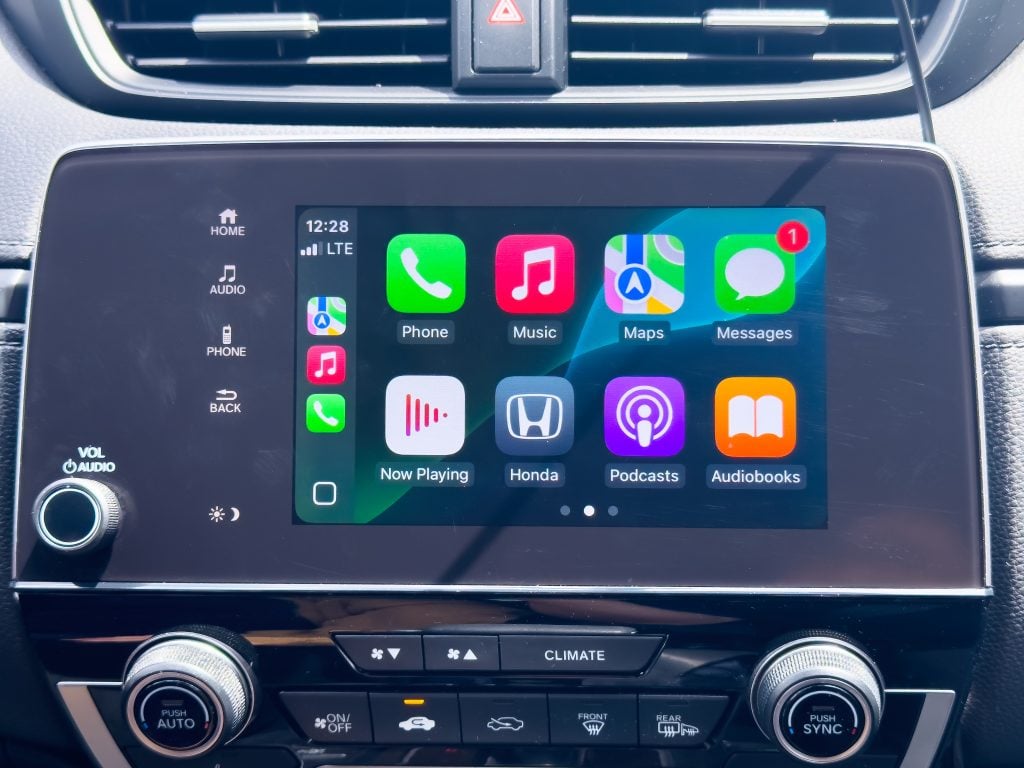
One of the most popular developments in recent Honda models is the integration of smartphone platforms such as Apple CarPlay and Android Auto.
These systems enable drivers to connect their devices directly to the vehicle’s infotainment system and access familiar applications through the dashboard display. Navigation, communication, and entertainment services become easily accessible without requiring drivers to interact directly with their phones.
Benefits of smartphone integration include:
- Hands-free communication
- Access to navigation apps
- Music and podcast streaming
- Voice assistant functionality
These features reflect Honda’s understanding that modern drivers value seamless digital connectivity as part of their daily routines.
Advanced Parking and Visibility Systems
Parking and maneuvering have also benefited from Honda’s technological advancements. Cameras and sensor-based systems help drivers navigate tight spaces and improve overall visibility.
Modern Honda vehicles often include multi-angle rearview cameras, parking sensors, and driver-assistance technologies that provide a clearer understanding of surrounding conditions.
These systems reduce the likelihood of minor collisions and help drivers feel more confident when parking in crowded environments. Enhanced visibility technologies are particularly beneficial for larger vehicles and urban driving situations where space may be limited.
As sensor technology continues improving, parking assistance features are becoming increasingly accurate and intuitive.
The Role of Artificial Intelligence and Data Processing
While many drivers may not realize it, artificial intelligence and advanced data processing play an important role in Honda’s modern smart driving systems.
Today’s vehicles continuously analyze information from cameras, radar sensors, and other onboard technologies. This data helps determine when to issue warnings, adjust vehicle speed, or activate safety features.
The ability to process information rapidly allows Honda vehicles to respond more effectively to changing road conditions. These intelligent systems enhance overall safety while creating a smoother and more refined driving experience.
Future advancements in artificial intelligence are expected to further expand the capabilities of Honda’s smart driving technologies.
Preparing for the Future of Mobility
Honda’s innovation strategy extends beyond current driver-assistance systems. The company continues investing in emerging technologies that will shape the future of transportation.
Research efforts focus on areas such as:
- Advanced autonomous driving systems
- Electric vehicle technology
- Vehicle connectivity networks
- Intelligent traffic management
These developments aim to improve efficiency, reduce accidents, and create a more connected transportation ecosystem. Drivers interested in exploring these technologies in person can visit a Honda dealership to learn more about the latest models and features.
As mobility continues evolving, Honda remains committed to developing technologies that make driving safer, smarter, and more enjoyable for future generations.
Conclusion
The evolution of Honda smart driving features reflects decades of innovation focused on enhancing safety, convenience, and driver confidence. From early braking and stability technologies to today’s sophisticated Honda Sensing suite, adaptive cruise control, lane assistance systems, connectivity features, and intelligent data processing capabilities, Honda has consistently embraced technological advancement.
These innovations have transformed the driving experience by providing greater awareness, reducing stress, and helping drivers navigate increasingly complex road environments. As the automotive industry moves toward greater automation, electrification, and connectivity, Honda’s ongoing commitment to smart driving technology positions the brand to remain a leader in the future of mobility. For drivers seeking a blend of reliability and innovation, Honda’s evolving technology portfolio continues to set a strong standard in the modern automotive landscape.

Amanda Dudley is a lecturer and writer with a Ph.D. in History from Stanford University. After earning her doctorate in 2001, she decided to pursue a fulfilling career in the educational sector. So far, she has made giant strides by working as an essay writer for EssayUSA, where she delivers high-quality academic papers to students who need them.