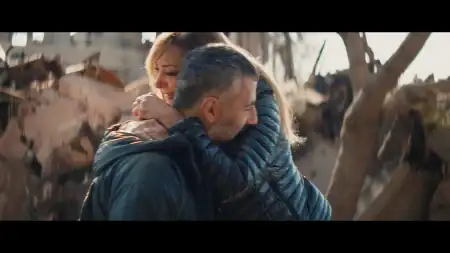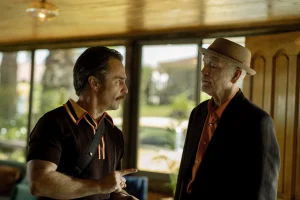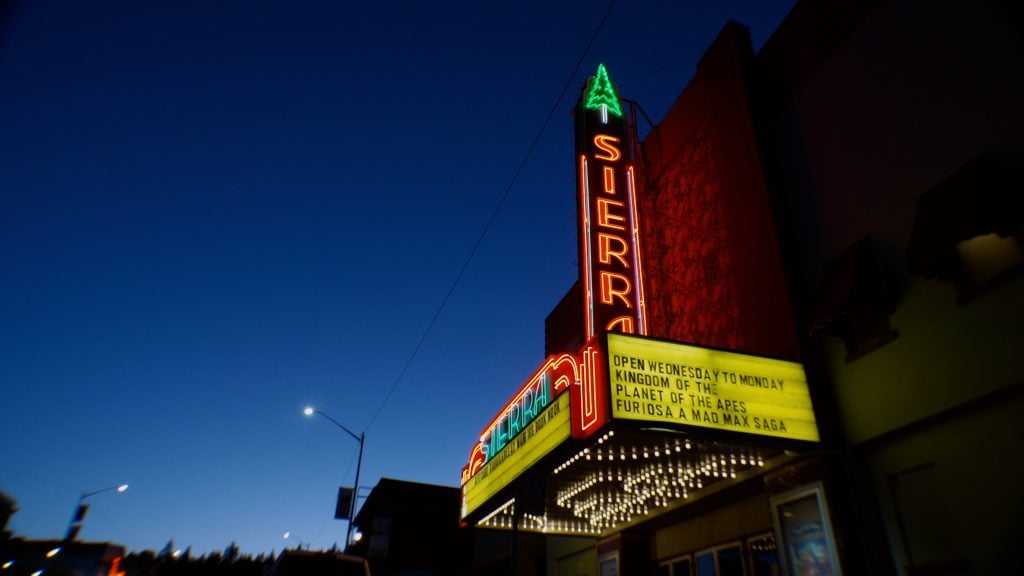
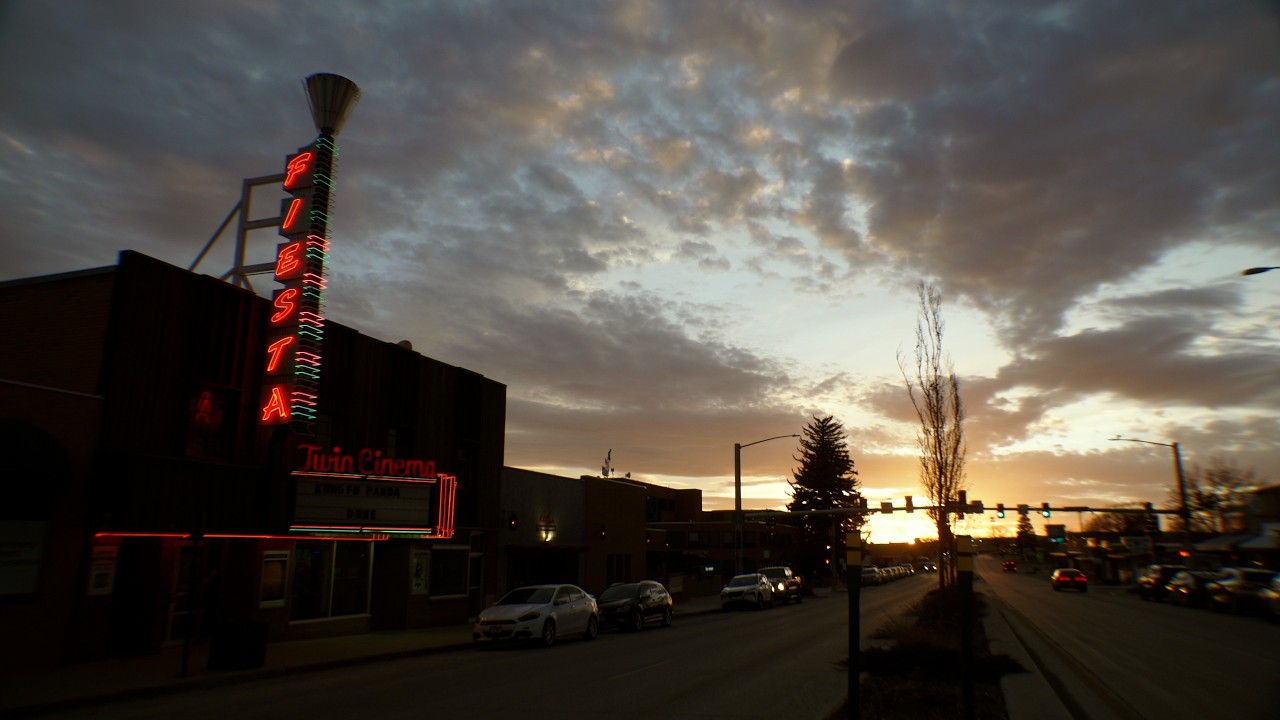
The American West. America’s last frontier, and indeed appears to be the last frontier for the small-town movie theater. The local movie houses are fading into the dusty plains, like the swell of music and iris-out at the end of an old black-and-white film: poignant yet melancholic—a fact of history, a sign of the times. But as more doors close and neon signs go dark, a few stragglers are holding on for dear life. They are proving that these local institutions are as important to the communities they support as they are to the movie industry itself. In what feels like a timely documentary, The Last Picture Shows is a love letter to the local movie theater that, at one time, was the vibrant center of every small-town community and now is becoming almost a memorial to what was.
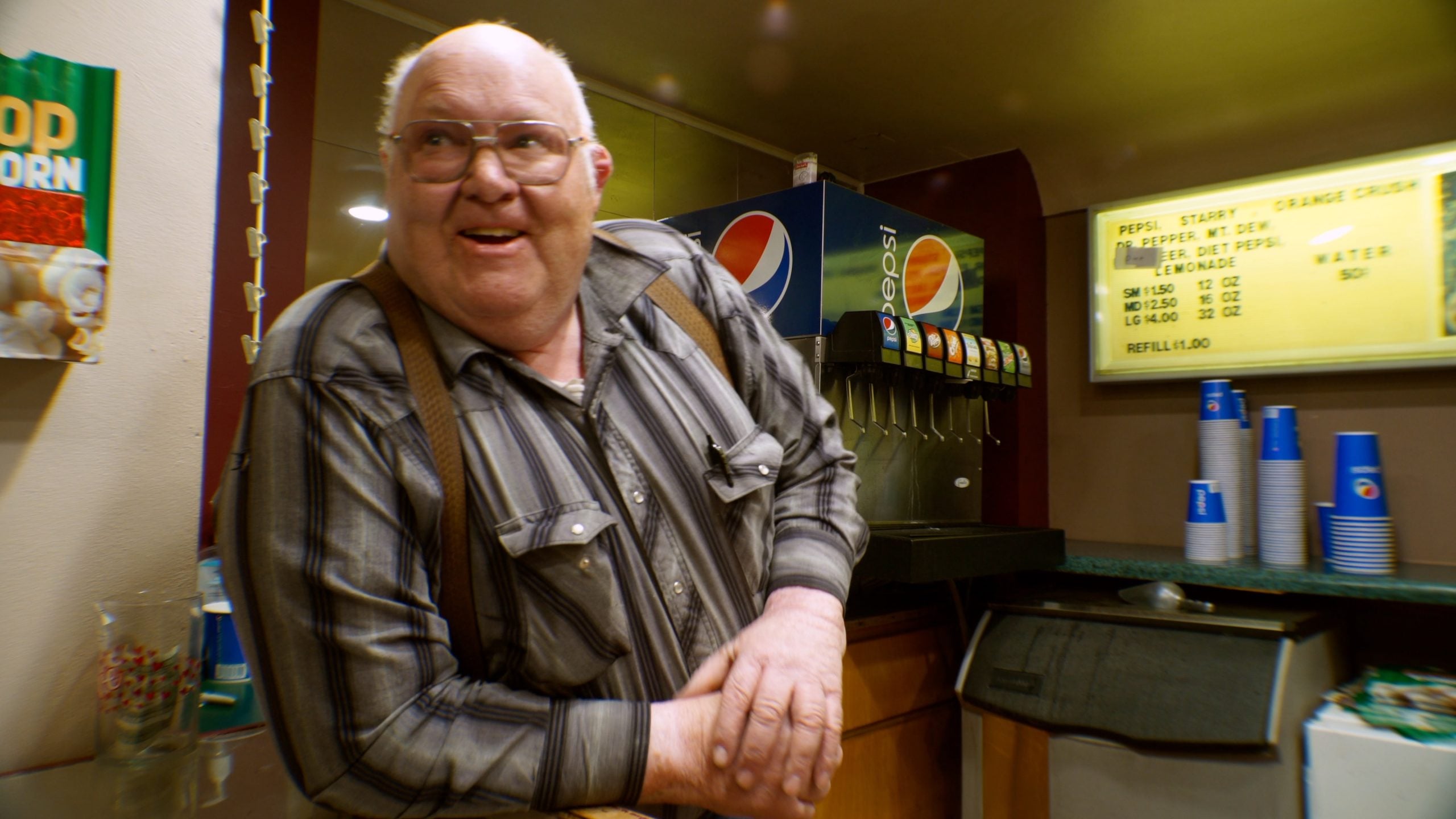
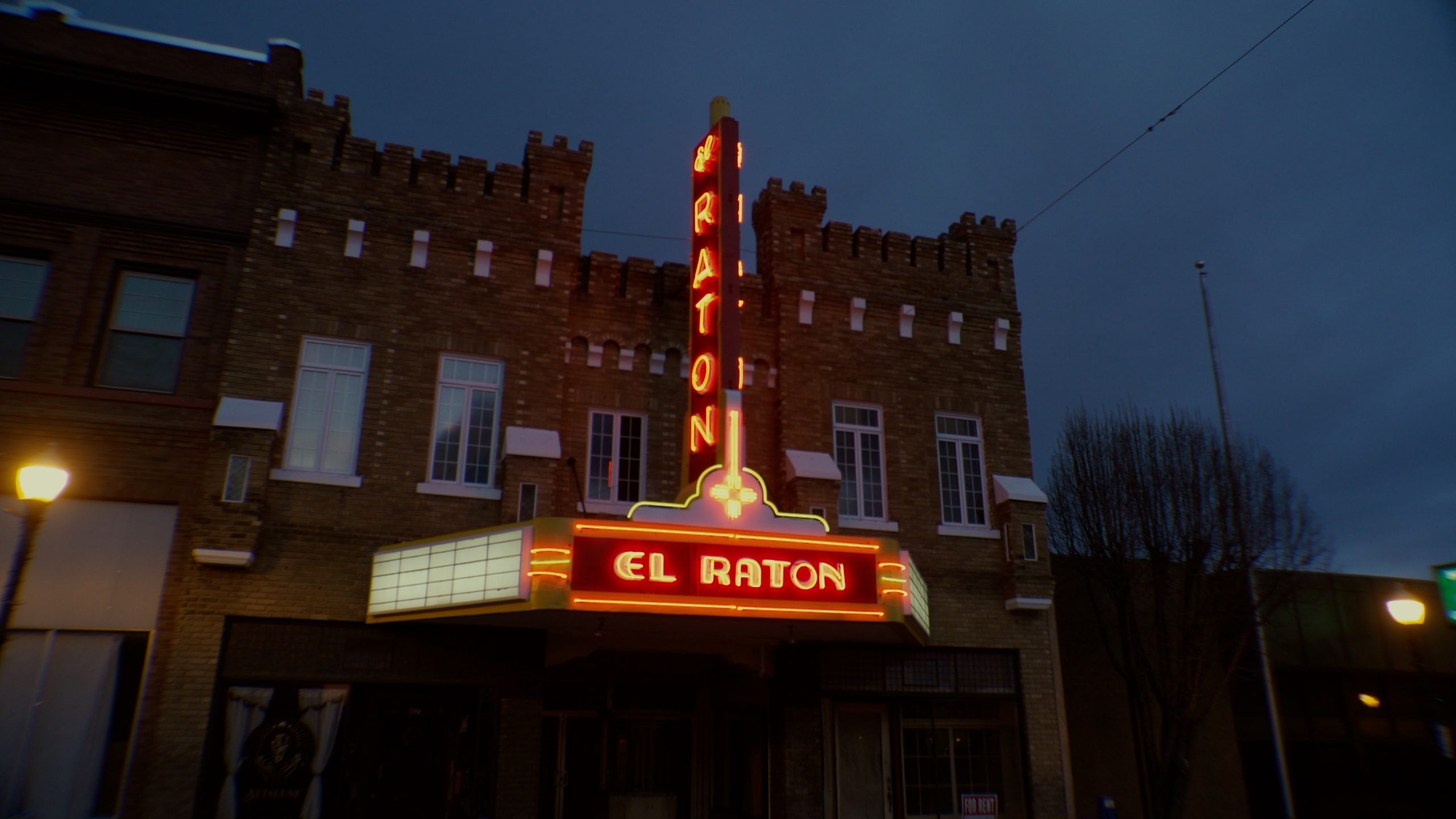
Filmmaker Rustin Thompson invites audiences on a journey; a journey westward. Spanning 10,825 miles, ten states, and 123 theaters, he shows us traces of what was once the center of small-town life: the movie theater. Many are dusty relics of a once shiner past. Some see their doors closed, existing as almost a building graveyard to the movie industry. Disrepair exists for some, and many are gone and forgotten. completely. Yet, a few remain, warts, struggles and all. Thanks to their thoughtful caretakers, who do it not for profit or Hollywood glitz but for the love of movies, some of these theaters across the American West are thriving.
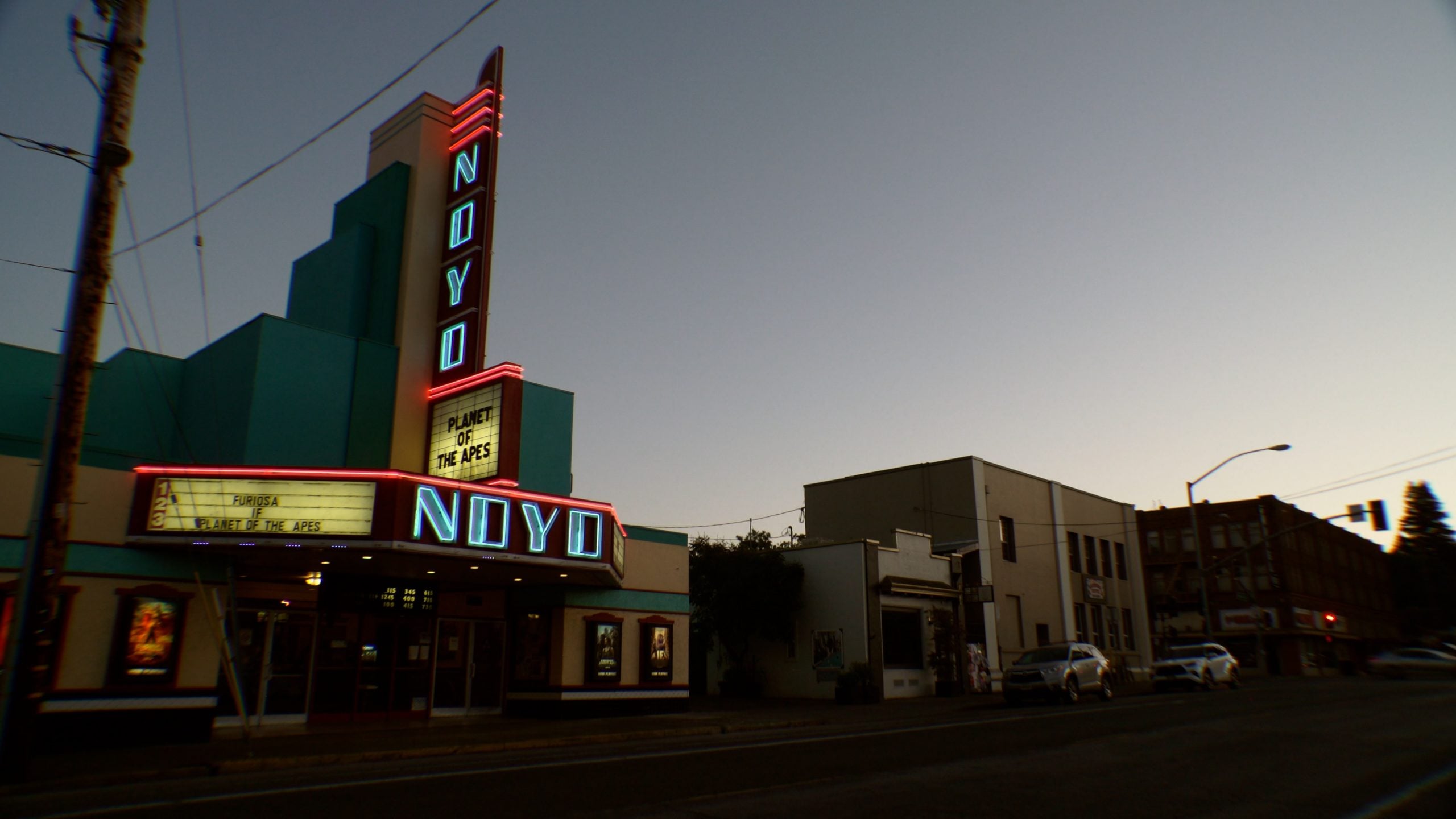
Using the title as a bit of double-messaging, Thompson intercuts the film with scenes from Peter Bogdanovich’s 1971 classic The Last Picture Show. The scenes work in tandem in a story that tells the history of small-town movie theaters. It also serves as a reminder of the difficult crossroads these theaters face today – the advent of streaming, diminishing theatrical experience, mounting costs, and consolidation. Through several profiles in the film, Thompson doesn’t just wax poetic about the good old days. Instead, he showcases those working tirelessly to preserve this community institution, even as costs rise and small theaters face increasing demands from studios.
Movies, for all the luxury of streaming services being at everyone’s fingertips, are still a communal experience. And among the many cases this film makes, it continues to reinforce how special it is to gather in a dark room and watch a movie together. Small towns are sadly becoming hollowed out as the years go by, but another aspect this film drives home is how those that still house a local movie theater are part of a communal package that is the downtown.
Having grown up in a small town, I know firsthand what occurs as neighborhoods chip away. It is a loss felt more than as a financial one. It is the loss of connection. While watching this film, I was reminded of the book Bowling Alone by political scientist Robert Putnam. In it, Putnam talks about how the loss of community connections through outlets such as civic groups, church functions, and bowling leagues is detrimental to the social fabric of any community.
Downtowns are vanishing, and while it may seem unremarkable at first glance, a downtown is the beating heart of a community. The film echoes the sentiments that a downtown provides for its community: recreational, dining, social, and, in the case of the movie, cultural activity. Movie theaters, particularly those found in a small town, are part of that vanishing fabric. Here, this film acts less as a canary in the coal mine, as was the case with Putnam’s book, and more as a testament to the dogged spirit. In some ways, that spirit is very much in the tradition of the American West.
The Last Picture Shows delivers a full-throated endorsement not only of the need for the theatrical experience but also of a much-needed boost for these small theaters, which are competing not only with technological change but also with the presence and pressure of giant conglomerate multiplexes. Despite the film’s title, this is very much an ongoing story, like a movie reel that will never run out.
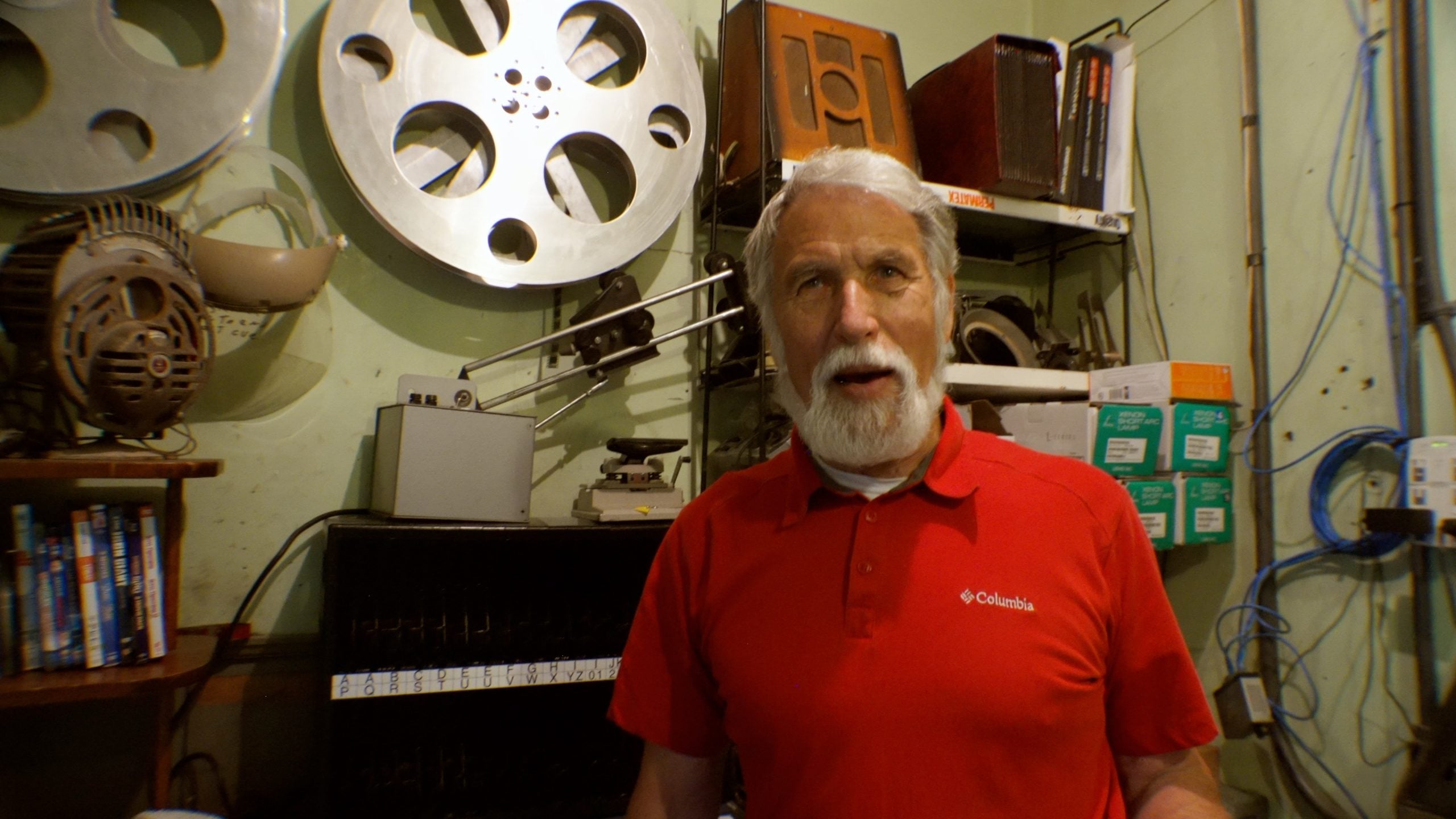
One of the voices championing the theatrical experience the film profiles is Ross Melnick. He is a film/media studies professor at the University of California, Santa Barbara. He makes several compelling points, including that movie-going is a paramount early-age experience, not one generally picked up later in life. Perhaps the most insightful comment one could call a reel of diverging opinions. The battle cry over the state of movies has been twofold. Movies are the biggest thing ever. Movies are going away.
If we look at this year alone, audiences have made 2026 the best year at the movies since before Covid—and the year isn’t over. It is why The Last Picture Shows is much less an obituary to the movie theater and more a fervent embrace of the theatrical experience. The people in these small towns, playing to increasingly small audiences, are the backbone of an industry that has endured a whirlwind of change.
Depression. Television. The multiplex. Streaming. Certainly, the small-town movie theater has taken a hit, and yet they have not been totally left in the dustbin of history. They endure for that sense of community that is integral to the movie-going experience. Cinephiles will no doubt appreciate this documentary for its intricate use of movie history to further its case. It is also a picturesque story of survival. In many ways, what is happening with these small-town theaters is like a scene right out of a movie.
The Last Picture Shows will debut in theaters in New York on August 7, 2026, courtesy of Foghorn Features, followed by an expansion to Los Angeles on August 21st in conjunction with a national theatrical rollout.
Before we let you go, we have officially launched our merch store! Check out all of our amazing apparel when you click here and type in GVN15 at checkout for a 15% discount!
For major deals and money off on Amazon, make sure to use our affiliate link! If you are purchasing any of the latest and best in physical media at MovieZyng, you can support us using our affiliate link.
The Last Picture Shows is much less an obituary to the movie theater and more a fervent embrace of the theatrical experience.
-
GVN Rating

Writing & podcasting, for the love of movies.
His Letterboxd Favorites: The Dark Knight, Halloween, Jaws & Revenge of The Sith.