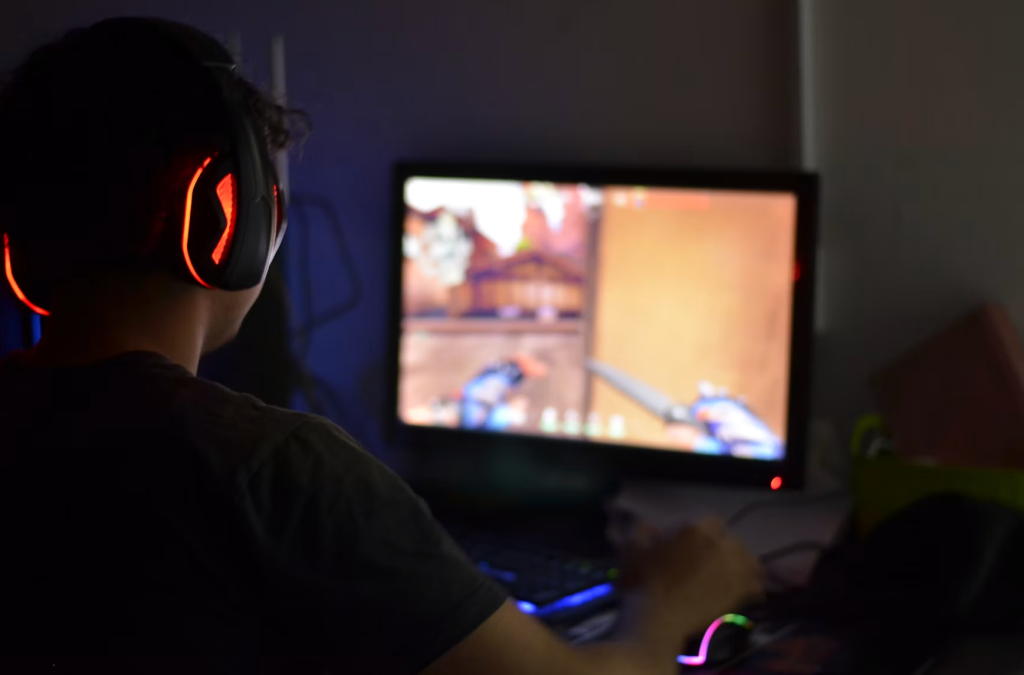
Gaming used to be associated with one person, one screen and a controller. That image is increasingly outdated. Many games now include voice chat, shared challenges, live events and community spaces that make interaction part of the experience from the start.
Social features are starting to appear around more types of online games. On casino spino, for example, the experience is no longer limited to simply opening a game and playing a few rounds. Live sections, shared activity and other interactive elements make the whole thing feel closer to the social side of modern gaming.
Playing together no longer requires the same room
The biggest change is obvious: distance matters far less than it used to. Friends can now play together from different cities, join the same event or simply stay connected through voice chat while doing different things inside the same game. That makes gaming function more like a digital meeting place.
For some groups, the game itself is almost secondary. The real attraction is having somewhere to talk, joke around and spend time together without needing to organise a physical meetup.
Games are becoming social spaces between matches
Modern titles often give players reasons to stay connected even when no match is running. Lobbies, clan chats, shared hubs and seasonal events keep the community active between sessions. That changes the rhythm of play. Instead of opening a game only for one round, users may log in to:
-
Check what friends are doing.
-
Claim a group reward.
-
Join a temporary event.
-
Compare rankings.
-
Watch another player’s stream.
These small interactions give players something to return to between matches. They also make the game feel more active even when no one is actually competing.
Streaming has created a second type of participation
Not everyone who follows a game is actively playing it. Twitch, YouTube and similar platforms have made watching part of the culture. A viewer may follow a tournament, watch a creator test a new update or spend an evening in chat while someone else plays.
That audience is still participating, just differently. Chat messages, polls, donations and live reactions create a sense of involvement that traditional passive viewing does not have. The strongest gaming communities often grow around this mix of players and spectators rather than one group alone.
Shared goals work differently from solo rewards
A personal achievement says, “you completed this”. A group challenge says, “we completed this together”. That small difference changes the motivation. Players may contribute toward a community milestone, complete tasks with friends or unlock something only after enough people participate.
Developers use this especially well during temporary events. A challenge that lasts one weekend can bring inactive players back because progress depends partly on the wider community.
Social features also change how people discover games
Recommendations no longer come only from store pages or advertising. A friend sending an invite, a streamer playing a new title or a clip going viral can push someone toward a game much faster than a traditional trailer. Social discovery feels more personal because the recommendation already comes with context.
A player is not simply hearing that a game exists. They can immediately see who is playing it and why people are talking about it.
The biggest change is what people expect from a game
A strong single-player experience still has an audience, but many users now expect at least some connection to other people. That connection does not always mean direct competition. It can be a chat, shared event, leaderboard, co-op mode or simply seeing friends online.
Gaming has become more social because digital platforms made interaction easy to add around the core experience. For many players, the question is no longer only “Is this game fun?” It is also “Who can I share it with?”

Heather Neves is working as a freelance content writer. She likes blogging on topics related to parenting, golf, and fitness, gaming . She graduated with honors from Columbia University with a dual degree in Accountancy and Creative Writing.