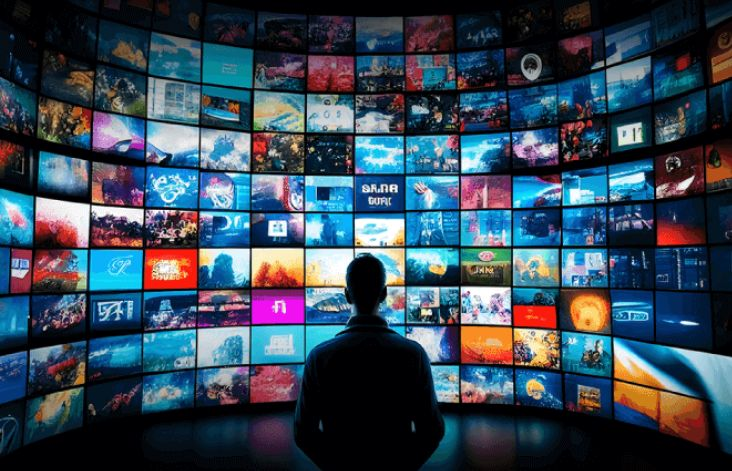
Technology has transformed nearly every aspect of daily life, and entertainment is no exception. From traditional television and radio to on-demand streaming platforms, cloud gaming, virtual reality, and artificial intelligence, digital innovation has completely reshaped how people consume content. Today’s audiences expect convenience, personalization, and high-quality experiences that can be accessed anytime and from virtually anywhere.
The rapid advancement of internet infrastructure, smart devices, and cloud computing has created an entertainment ecosystem where users are no longer limited by schedules or locations. Instead, they enjoy complete control over what they watch, listen to, or play. As technology continues to evolve, digital entertainment is becoming more immersive, interactive, and tailored to individual preferences.
The Evolution of Digital Entertainment
Entertainment has come a long way from scheduled television broadcasts and physical media such as DVDs and CDs. The introduction of broadband internet marked a turning point, allowing users to stream movies, TV shows, and music without relying on physical storage.
Over the past decade, streaming technology has become the preferred choice for millions of households. Instead of waiting for weekly broadcasts, viewers now enjoy instant access to vast libraries of content. This shift has encouraged media companies to invest in digital platforms that provide greater flexibility and convenience.
As internet speeds improve and connected devices become more affordable, digital entertainment continues to expand across multiple platforms, including smartphones, tablets, smart TVs, laptops, and gaming consoles.
High-Speed Internet Powers Modern Entertainment
One of the biggest drivers behind digital entertainment is high-speed internet. Fiber-optic networks and advanced broadband technologies have made it possible to stream high-definition and ultra-high-definition content with minimal buffering.
Fast internet connections support:
-
4K and 8K video streaming
-
Live sports broadcasts
-
Cloud gaming
-
Video conferencing
-
Interactive learning
-
Music streaming
-
Virtual reality experiences
Without reliable internet infrastructure, many of today’s entertainment technologies would not function effectively. As countries continue investing in digital connectivity, users gain access to faster, smoother, and more reliable entertainment experiences.
Smart Devices Have Changed Viewing Habits
Modern households are increasingly equipped with smart devices that provide instant access to entertainment. Smart TVs, streaming sticks, voice assistants, and mobile applications allow users to watch their favorite content whenever they choose.
Unlike traditional cable television, smart entertainment systems enable viewers to pause, rewind, record, or resume content across multiple devices. Families can even personalize profiles, making recommendations more relevant for each user.
This convenience has significantly influenced viewing habits, with many people preferring on-demand entertainment over fixed programming schedules.
Artificial Intelligence Creates Personalized Experiences
Artificial intelligence (AI) has become a key technology behind modern entertainment platforms. Rather than presenting the same content to every viewer, AI analyzes user behavior to recommend movies, television series, documentaries, and music based on personal interests.
Recommendation systems consider factors such as:
-
Viewing history
-
Search activity
-
Watch time
-
Ratings
-
Favorite genres
-
Similar user preferences
These intelligent algorithms help users discover new content while improving overall satisfaction.
AI also assists content creators by analyzing audience trends, predicting demand, and improving production decisions.
Cloud Technology Expands Entertainment Access
Cloud computing has eliminated many of the hardware limitations associated with digital entertainment.
Instead of storing large media libraries locally, users can access content directly from secure cloud servers. This enables seamless streaming across multiple devices without downloading massive files.
Cloud technology supports:
-
Video streaming
-
Music platforms
-
Online gaming
-
Digital libraries
-
Photo sharing
-
Live broadcasting
Because content is stored remotely, users can continue watching or listening from different devices without losing their progress.
The Rise of IPTV Technology
Internet Protocol Television (IPTV) has become one of the most significant innovations in digital entertainment. Unlike traditional broadcasting methods that rely on cable or satellite infrastructure, IPTV delivers television content through internet connections.
This technology provides viewers with greater flexibility, allowing them to watch live television, on-demand programs, and recorded content using internet-enabled devices.
As more households seek flexible viewing options, interest in iptv uk services has continued to grow. Many consumers appreciate the ability to access entertainment across multiple devices while enjoying features such as catch-up TV, electronic program guides, and high-definition streaming.
The increasing popularity of IPTV reflects the broader trend toward internet-based entertainment solutions that prioritize convenience and user control.
Mobile Technology Keeps Entertainment Everywhere
Smartphones have become powerful entertainment hubs capable of streaming movies, music, podcasts, and live events from virtually anywhere with an internet connection.
Advancements in mobile processors, display quality, battery life, and wireless connectivity have transformed mobile devices into portable media centers.
Today’s users can:
-
Watch live sports
-
Stream television shows
-
Listen to podcasts
-
Enjoy online gaming
-
Attend virtual concerts
-
Connect with creators through live streaming
The rollout of 5G networks is expected to further improve mobile entertainment by reducing latency and increasing streaming quality.
Virtual Reality and Augmented Reality
Emerging technologies such as Virtual Reality (VR) and Augmented Reality (AR) are creating immersive entertainment experiences that extend beyond traditional screens.
Virtual reality places users inside interactive digital environments, while augmented reality overlays digital content onto the physical world.
Applications include:
-
Interactive gaming
-
Virtual concerts
-
Educational experiences
-
Tourism simulations
-
Sports viewing
-
Live entertainment
As hardware becomes more affordable, these technologies are likely to become increasingly mainstream.
Social Media and Digital Content Creation
Technology has also democratized entertainment production. Individuals no longer require expensive studios to create engaging content.
Modern creators use smartphones, editing software, and online platforms to produce:
-
Educational videos
-
Comedy content
-
Product reviews
-
Gaming streams
-
Podcasts
-
Travel vlogs
-
Live broadcasts
This accessibility has created entirely new industries centered around digital content creation and influencer marketing.
Audiences now consume entertainment from both traditional media companies and independent creators.
Smart Home Integration
Connected home technology is making entertainment even more convenient.
Voice assistants allow users to:
-
Search for content
-
Control playback
-
Adjust volume
-
Launch streaming apps
-
Manage connected devices
Smart ecosystems integrate televisions, speakers, lighting, and home automation into unified entertainment experiences.
These innovations improve accessibility while simplifying everyday use.
Cybersecurity in Digital Entertainment
As entertainment becomes increasingly internet-based, cybersecurity has become an essential consideration.
Streaming platforms invest heavily in:
-
User authentication
-
Data encryption
-
Secure payment processing
-
Privacy protection
-
Account security
Consumers should also practice safe online habits by using strong passwords, enabling multi-factor authentication, and keeping devices updated with the latest software.
Maintaining digital security helps protect personal information while ensuring uninterrupted access to entertainment services.
Consumer Choice Continues to Expand
Technology has dramatically increased the number of entertainment options available to consumers.
Instead of relying on a single provider, users can choose services based on:
-
Content libraries
-
Device compatibility
-
Streaming quality
-
User interface
-
Subscription flexibility
-
Viewing preferences
For viewers exploring internet-based television, providers such as gonow iptv represent one example of how modern IPTV platforms continue to evolve to meet changing consumer expectations. As competition increases, many services are introducing improved interfaces, better streaming quality, and broader content accessibility.
The emphasis on flexibility allows users to select entertainment solutions that best suit their lifestyles.
The Future of Digital Entertainment
The future of entertainment will be driven by continued technological innovation. Artificial intelligence, cloud computing, extended reality, faster internet speeds, and smarter devices will further personalize and enhance user experiences.
Future developments may include:
-
AI-generated interactive content
-
Fully immersive virtual entertainment
-
Advanced holographic displays
-
Enhanced cloud gaming
-
Smarter recommendation engines
-
Improved accessibility features
-
Faster global streaming infrastructure
As these technologies mature, consumers can expect even more seamless, engaging, and personalized digital experiences.
Conclusion
Technology has fundamentally reshaped the entertainment industry, changing not only how content is delivered but also how it is created, discovered, and enjoyed. High-speed internet, artificial intelligence, cloud computing, smart devices, and IPTV have given consumers unprecedented flexibility and control over their viewing experiences.
The continued growth of internet-based entertainment demonstrates that audiences increasingly value convenience, personalization, and accessibility. Whether through streaming platforms, mobile devices, virtual reality, or iptv uk services, digital innovation continues to redefine the future of media consumption. Likewise, evolving platforms such as gonow iptv highlight how technology is expanding entertainment choices for modern viewers. As innovation accelerates, digital entertainment will become even more immersive, connected, and accessible, offering exciting possibilities for audiences around the world.

Caroline is doing her graduation in IT from the University of South California but keens to work as a freelance blogger. She loves to write on the latest information about IoT, technology, and business. She has innovative ideas and shares her experience with her readers.