

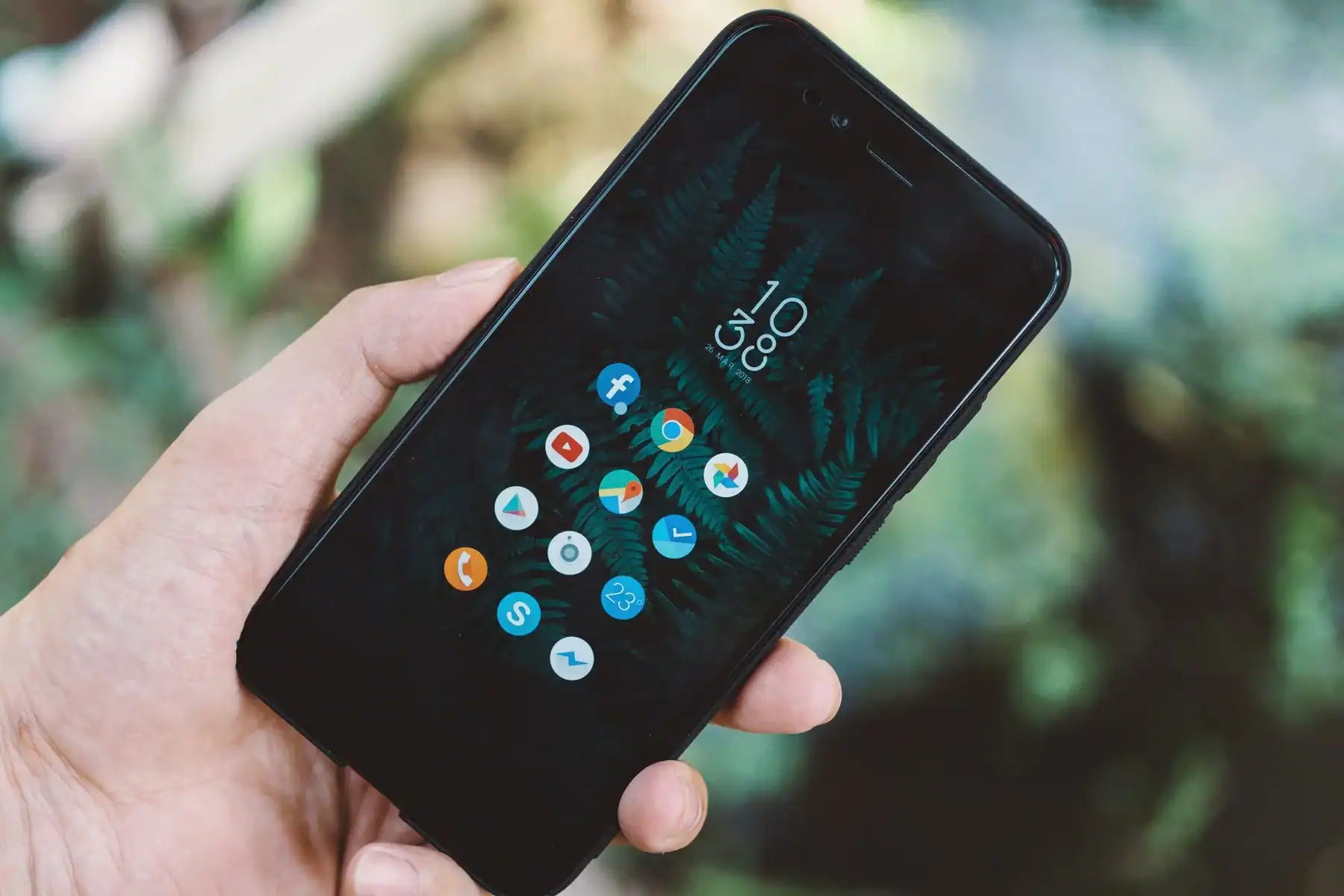
Sports coverage is no longer confined to TV broadcasts or dedicated sports websites. Fans can now follow a game on one screen while checking player statistics, reading commentary and tracking the latest odds on another. Apps have brought these parts of the experience closer together, changing how people keep up with their favorite teams and research betting markets. The result is a sports audience with more information at its fingertips, but also more platforms competing for its attention.
Sports viewing now crosses every screen
Following a game increasingly involves more than watching the action. Fans move between television broadcasts, streaming platforms, mobile apps and social media, often checking several sources during the same event. TikTok for example, has become another place to discover sporting highlights, player commentary and discussions that can introduce viewers to teams or competitions they might not otherwise follow.
Smartphones make this connected experience easier. A fan can watch a game, check a team’s recent performance and look up available betting markets without switching devices. This has made accessible, well-organized information an increasingly important part of the sports viewing experience.
Live data is becoming essential
IBM’s 2026 research offers an indication of how important mobile technology has become to sports audiences. Its study found that 72% of surveyed fans use sports apps. Another finding showed that 30% of surveyed app users had increased their use of live statistics and analytics over the previous one to two years.
That interest makes sense when a game can change in seconds. A player’s recent form, an injury announcement or a shift in team performance can all affect how a matchup is viewed. Live data gives fans more to work with than a final score or a short highlight reel, especially when they’re comparing betting markets.
Mobile betting has also changed how users manage their accounts. Many services support deposits through mobile-friendly payment methods, with some accepting digital wallets. This allows users to fund an account directly from their phones rather than relying on a separate desktop process. Available options vary by operator and location, so payment terms and security requirements still deserve attention.
Fans need clearer market comparisons
Two sportsbooks can offer different prices on the same game, but the numbers only tell part of the story. The available markets might differ too. A moneyline wager focuses on the outright winner, while point spreads and over/under totals offer different ways to approach a matchup.
Comparisons are more useful when fans consider recent team performances, player availability and the type of market being offered. They should also check whether a sportsbook operates legally in their state. Availability, account eligibility and promotional conditions can vary considerably across the country.
For fans researching where to bet, Covers provides a destination for exploring sportsbook comparisons, betting odds, picks and predictions across different sports. Its guides also offer information about individual sportsbooks and the features they provide.
When betting information is presented clearly, it becomes easier to compare different markets and understand what individual sportsbooks offer. These resources can complement watching a game, but readers still need to consider the relevant market, current odds and local availability before making decisions.
Streaming reach changes the research path
Sports coverage now reaches audiences well beyond traditional television. ESPN’s figures illustrate just how extensive that reach has become, with its networks accounting for 31% of U.S. sports viewing in fiscal 2026. The broadcaster also reported an average monthly reach of 239.4 million users across television, digital and social platforms.
A game might first catch someone’s attention through a streaming broadcast, before a highlight appears on social media and prompts them to look up the next matchup. That journey can lead to a search for team statistics, player information and betting markets. Fans increasingly discover sports in one place and carry out their research somewhere else.
Soccer is broadening the sports menu
American sports preferences are also becoming more varied. According to Gallup, football remains the country’s leading sport to watch, with 31% of Americans naming it as their favorite. Soccer meanwhile, reached a record 9%, putting it close to basketball at 11% and baseball at 10%.
This changing mix gives fans more reasons to explore competitions outside the traditional American sports calendar. Someone who follows the NFL might also watch international soccer, tennis or basketball. For research platforms, covering multiple leagues and formats can make it easier to follow these interests without starting from scratch whenever the sport changes.
One hub can’t replace judgment
A quick prediction on TikTok might be enough to spark interest in a game, but it rarely tells the whole story. Fans looking for betting information need more than a confident opinion or a short clip. Team statistics, player availability, recent results and the details of individual markets provide a stronger basis for understanding a matchup.
Even platforms that bring several information sources together have limitations. Odds can change, markets have different conditions and not every sportsbook operates in every state. Checking those details remains important, regardless of how convenient the research process becomes.
Riley Cortez is a veteran sports betting strategist who blends data-driven analysis with real-world sportsbook experience. With a background in predictive modeling, Riley specializes in NFL props, NBA live betting, and long-odds futures markets. He writes with the goal of helping bettors make smarter decisions while navigating modern sportsbooks and evolving betting legislation.