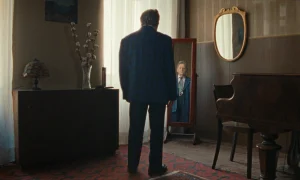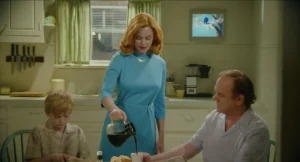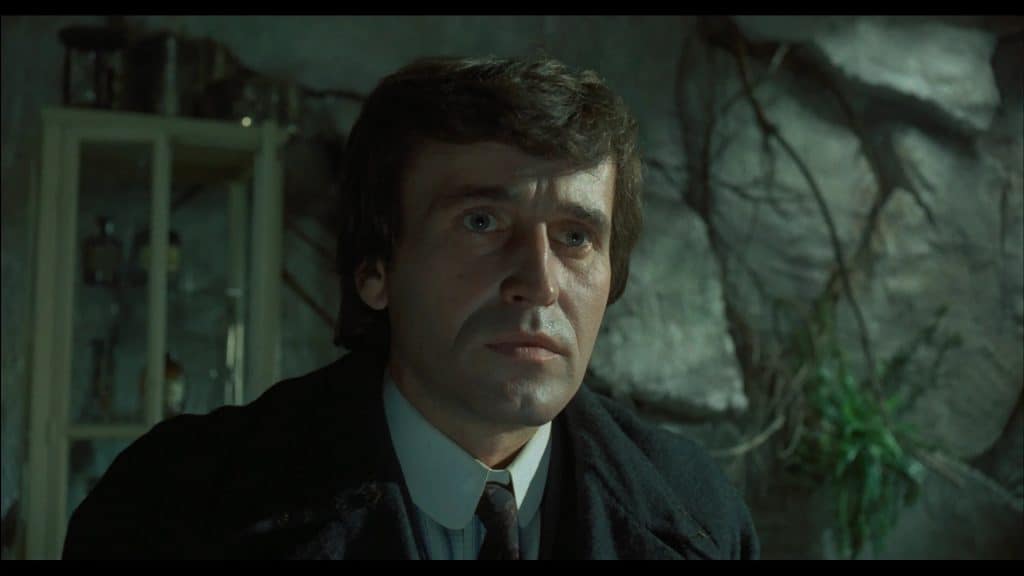
The Saragossa Manuscript – Set during the Napoleonic wars, the film follows the exploits of Alfons von Worden, an officer traveling through the sierra Mountains and with each passing traveler, the interweaving stories grow stranger. One of Wojciech Has’ most acclaimed films, this surrealist cult epic has attracted support from Luis Buñuel, Martin Scorsese, Francis Ford Coppola and even Jerry Garcia of the Grateful Dead.
The Hourglass Sanatorium – Józef visits his dying father at a remote mental institutions, where time itself doesn’t seem to exist, and the line between dreams and memories become indistinguishable.
Adapted from a selection of short stories from Polish-jewish writer Bruno Schultz, Wojciech J. Has’s masterpiece of surrealist Polish cinema is a phantasmagoric look at the collective trauma of the Holocaust.
How to Be Loved – During a trip from Warsaw to Paris an actress reflects on the last few years of her life during the German occupation while hiding a fellow actor wanted for murder. Based on a novel by Kazimierz Brandys and told in a series of vignettes, Wojciech Has’s psychological tragedy marks the end of the Polish Film School and an important transition in the Polish director’s career.
For thoughts on The Saragossa Manuscript, please check out our previous Blu-Ray review here.
For thoughts on The Hourglass Sanatorium, please check out our previous Blu-Ray review here.
For thoughts on How To Be Loved, please check out our previous Blu-Ray review here.
Video Quality
Full thoughts on the video assessment of each release can be found at the links above. The assessment for How To Be Loved, the most recent release of the trio, can be found below.
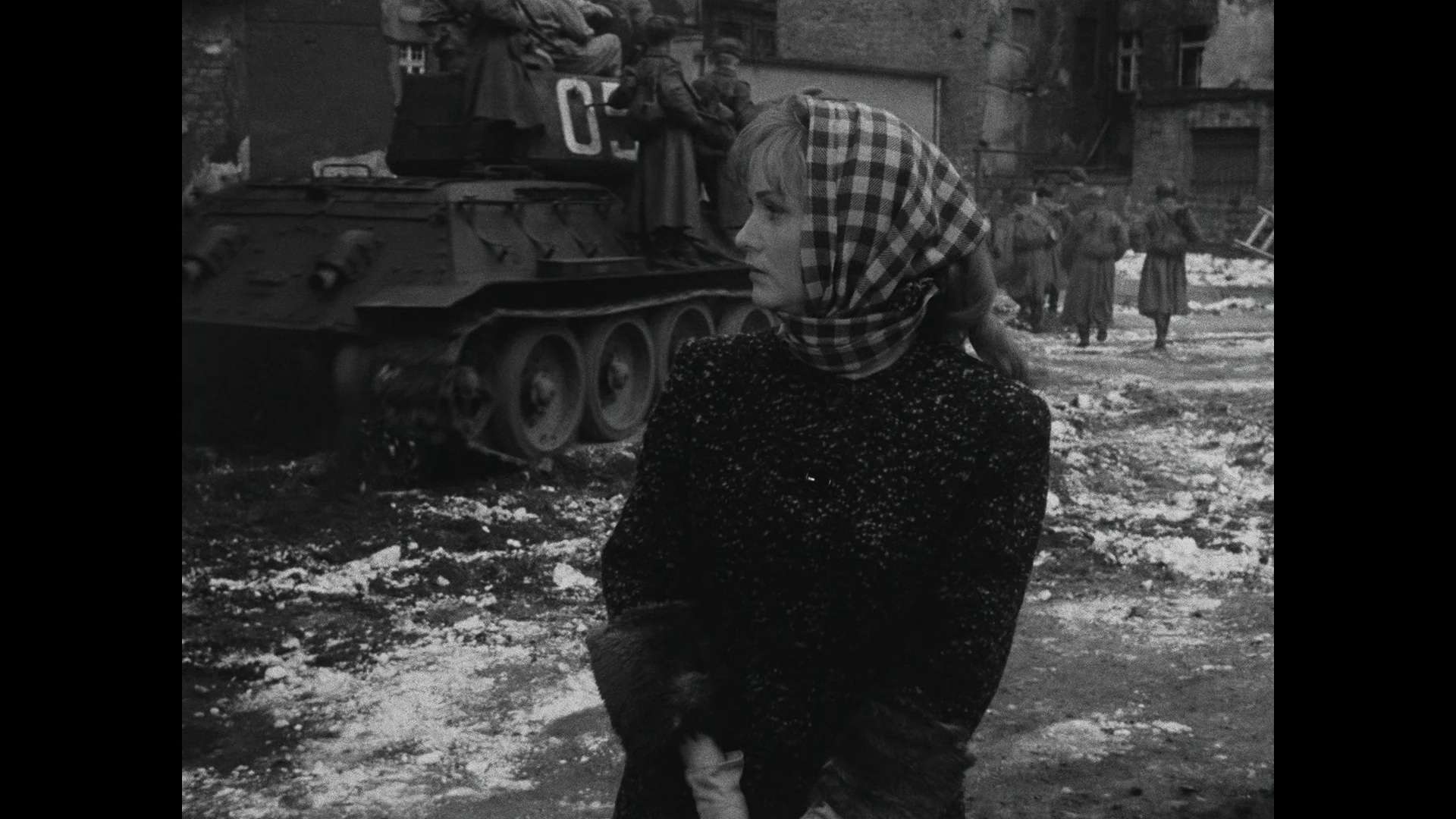
How To Be Loved debuts on Blu-Ray in its original 1.37:1 aspect ratio with a 1080p master that is not noted as being from a new master, but we assume this one was restored in the 2010s when Wojciech Has was having his work restored and preserved on a larger scale. This is another stunning presentation from Yellow Veil Pictures, who has been honoring the auteur with top-notch releases this year. The striking photography maintains the natural grain which resolves favorably throughout. There is a tremendous amount of detail present with subtle textures on the clothing and within the varied production design.
The new transfer shows off a great amount of depth and detail in the whirlpool of different environments. With so much of this movie rooted in memory, there is some softness to some of the scenes, but largely the production design is presented with great clarity. The contrast is confidently defined, and there is no notable print damage to be found throughout. The black and white photography shimmers in high definition with strong black levels that present no traces of black crush or compression artifacts. Highlights are likewise never clipped or blown out at any point. Yellow Veil Pictures has given this feature an undeniable second life.
Audio Quality
Full thoughts on the audio assessment of each release can be found at the links above. The assessment for How To Be Loved can be found below.
This Blu-Ray comes with a surprisingly robust DTS-HD 5.1 Master Audio track in the original Polish (with optional English subtitles). With a film of this vintage and this personal of a narrative, you would not have expected a full surround sound presentation, but the environmental extensions make the world feel more full. The environments the characters find themselves in yield an array of distinct sounds that show up favorably within the mix. Dialogue comes through crisp and clear without sound effects or the music outshining the most important information. The score is a great sonic experience which enhances the film nicely. This track presents everything accurately with choice fidelity and without damage. Yellow Veil Pictures has knocked it out of the park once again.
Special Features
The Saragossa Manuscript
- Introduction: An optional seven-minute introduction is provided in which Film Professor Annette Insdorf discusses her personal relationship with the work of Wojciech Has, the source material from which the film was adapted and its author, the filmmaking style of the feature, the famous fans that lead to the restoration of the film and more that gives some nice context to the feature.
- Critical Assessment By Columbia University Film Professor Annette Insdorf: A ten-minute piece in which the scholar discusses the way in which she didn’t understand the movie upon the first watch, the ways in which the movie tells you how to watch it, the ways in which the film rebukes traditional structure, how the film fares as an adaptation, various visual motifs and more.
- Interview with Film Critic Sebastian Smoliński: A nearly 24-minute featurette in which the critic delves into the film with a greater focus on how it fits into the career of Wojciech Has, where it stands within Polish cinema, the time period in which it was created, the visual aesthetic of the film, the journey of the character, the themes of the narrative, the challenges it provided Has and more that is well worth a watch.
The Hourglass Sanatorium
- Introduction: An optional seven-minute introduction is provided in which Film Professor Annette Insdorf discusses her personal relationship with the work of Wojciech Has, the source material from which the film was adapted, the filmmaking style of the feature, the journey of the lead character and more that gives some nice context to the feature.
- Critical Assessment By Columbia University Film Professor Annette Insdorf: A nearly ten-minute piece in which the scholar discusses the way in which the movie tells you how to watch it, how sexuality and femininity is portrayed in the film, various visual motifs and more.
- Interview with Film Critic Sebastian Smoliński: A 20-minute featurette in which the critic delves into the film with a greater focus on how it relates to the world at large, where it stands within Polish cinema, the visual aesthetic of the film, the surrealistic tendencies of the narrative, the involvement with Jewish themes and more that is well worth a watch.
How To Be Loved
- Introduction: An optional eight-minute introduction is provided in which Film Professor Annette Insdorf discusses her personal relationship with the work of Wojciech Has, how this fits into his creative output, the filmmaking style of the feature, the film’s legacy and more that gives some nice context to the feature.
- Critical Assessment By Columbia University Film Professor Annette Insdorf: A 13-minute piece in which the scholar discusses how the film uses memory and perspective, the circular nature of the narrative, the themes at play, the creative and impactful ways in which the film avoids depicting sexual assault, various visual motifs and more.
- Interview with Film Critic Sebastian Smoliński: A 20-minute featurette in which the critic delves into the film with a greater focus on how it fits into the career of Wojciech Has, where it stands within Polish cinema, the time period in which it was created, the visual aesthetic of the film, the journey of the character, the themes of the narrative and more that is well worth a watch.
Final Thoughts
Polish master Wojciech Has is one of our favorite discoveries in recent years. Even when his films are more grounded, he brings a sense of whimsy and wonder to every story he tells, both tonally and visually. The three films in this collection are a terrific snapshot of his work that will make you want to seek out anything and everything he has made. Every new viewing unveils something more rewarding to chew on, and it should be considered a necessary watch for any adventurous cinephile. Yellow Veil Pictures has released a fantastic Blu-Ray set which sports a great A/V presentation and a pleasing assortment of special features. Recommended
Three By Wojciech Has is currently available to purchase on Standard Edition Blu-Ray or with a Limited Edition Slipcover exclusively through Vinegar Syndrome.
Note: Images presented in this review are not reflective of the image quality of the Blu-Ray.
Disclaimer: Yellow Veil Pictures and Vinegar Syndrome have supplied a copy of this disc free of charge for review purposes. All opinions in this review are the honest reactions of the author.
Dillon is most comfortable sitting around in a theatre all day watching both big budget and independent movies.