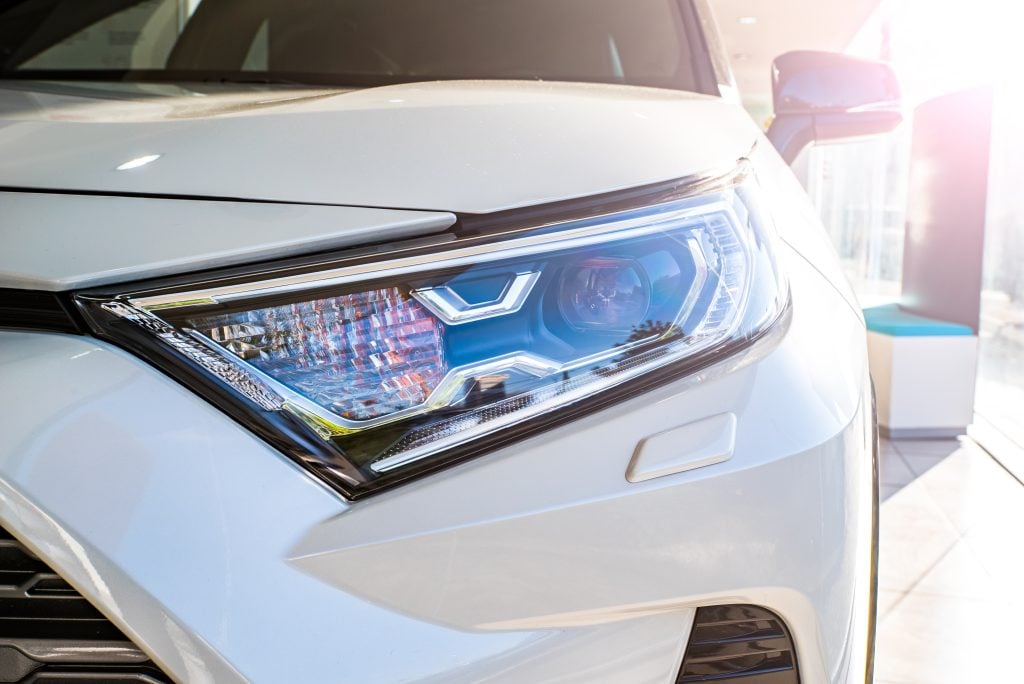
Learning to drive involves more than understanding steering, braking, and road signs. New drivers must develop awareness, confidence, decision-making skills, and familiarity with changing road conditions. Modern vehicle technology can support this learning process by offering tools that improve visibility, safety awareness, and driving convenience. Toyota has incorporated a wide range of driver-focused technologies designed to help drivers navigate everyday situations with greater understanding and support. Whether researching vehicle features online or exploring options through resources such as Kingfisher dealership, understanding Toyota’s driver technology can help explain how modern systems assist newer drivers during their early driving experience.
Toyota Safety Sense and Everyday Driving Support
One of Toyota’s most recognized technology platforms is Toyota Safety Sense, a collection of driver-assistance systems designed to improve awareness and support safer driving behavior.
For new drivers, developing the ability to notice hazards, maintain safe following distances, and respond appropriately to road changes can take time and practice. Driver-assistance systems can provide additional support by monitoring certain driving conditions and alerting drivers to potential concerns.
Toyota Safety Sense commonly includes technologies such as:
- Pre-Collision System with object detection capabilities
- Lane Departure Alert designed to monitor lane positioning
- Dynamic Radar Cruise Control for managing following distance
The Pre-Collision System uses sensors and cameras to monitor traffic conditions ahead. If the system identifies a possible collision risk, it may issue warnings or, in some situations, apply limited braking support.
Lane Departure Alert helps drivers recognize unintended movement outside marked lanes. For newer drivers still building confidence in lane control and highway positioning, this feature can reinforce roadway awareness.
Dynamic Radar Cruise Control expands traditional cruise control functionality by helping manage distance between vehicles during highway travel.
Although these systems are not substitutes for attentive driving, they can provide useful support during the learning and experience-building process.
Lane Assistance Technology and Road Position Awareness
Maintaining consistent lane position is a common challenge for newer drivers, particularly during highway driving, unfamiliar road conditions, or periods of distraction.
Toyota’s lane-focused technologies are designed to help drivers better understand roadway positioning and steering behavior.
Lane Tracing Assist and related systems monitor visible lane markings through camera technology. When enabled under appropriate driving conditions, these systems can help encourage smoother lane-centering behavior.
For new drivers, this technology may contribute to improved awareness of how steering inputs influence vehicle alignment.
Rather than functioning as an automated driving solution, lane assistance technology operates as a supplemental tool that supports better lane discipline and roadway monitoring.
Understanding proper lane positioning is an important driving skill because it influences safety, predictability, and traffic flow. Technology that reinforces awareness can therefore play a helpful educational role for developing drivers.
Blind Spot Monitoring and Visibility Support
Awareness of surrounding traffic is one of the most important skills for new drivers to develop.
Blind spots can create particular challenges because vehicles positioned alongside the driver may not always be visible through mirrors alone.
Toyota addresses this concern through blind spot monitoring technology.
Using sensors mounted around the vehicle, blind spot systems monitor adjacent lanes and detect nearby traffic that might otherwise be difficult to observe.
When another vehicle enters a monitored blind spot area, visual warnings typically appear to notify the driver.
This technology can be especially useful during lane changes, highway merging, and heavy traffic conditions.
Rear Cross Traffic Alert often works alongside blind spot monitoring systems. When reversing from parking spaces or obstructed locations, the system helps identify approaching cross traffic from the sides.
For new drivers who are still developing mirror usage habits, scanning techniques, and parking awareness, these visibility tools can provide helpful supplemental information.
Backup Cameras and Parking Assistance Features
Parking and reversing maneuvers are frequently stressful experiences for inexperienced drivers.
Estimating distances, monitoring surroundings, and controlling steering movements while backing into or out of spaces often require practice and patience.
Toyota incorporates several technologies intended to make these tasks easier to manage.
Backup camera systems provide drivers with a rear-facing visual display that helps improve awareness during reversing operations.
Modern camera displays may include guidelines that assist with directional positioning and space judgment.
Some vehicles also include parking sensors or enhanced visibility technologies designed to detect nearby obstacles.
These systems can support tasks such as parallel parking, garage maneuvering, and crowded parking lot navigation.
Parking assistance technology does not eliminate the need for careful observation, but it can help newer drivers better understand vehicle dimensions and spatial positioning.
Over time, this added awareness can contribute to improved parking confidence and control.
Infotainment Technology and Driver-Friendly Controls
Modern vehicles contain extensive infotainment and connectivity features, but ease of use is especially important for new drivers.
Complex controls or distracting interfaces can create unnecessary cognitive demands while driving.
Toyota’s infotainment systems are generally designed to provide organized access to navigation, communication, and media functions through centralized displays.
Touchscreen interfaces, voice controls, and smartphone integration contribute to a more connected driving environment.
For newer drivers, voice control technology can be particularly valuable because it reduces the need to interact manually with controls while the vehicle is moving.
Instead of searching menus or handling mobile devices, drivers can often use spoken commands to perform selected actions.
Navigation systems also support learning drivers by helping reduce uncertainty in unfamiliar locations.
Clear route guidance and digital mapping tools can make navigation more manageable while allowing drivers to concentrate more effectively on road conditions.
Adaptive Cruise Control and Highway Confidence
Highway driving introduces new challenges for inexperienced drivers, including speed management, traffic spacing, and long-distance attention demands.
Toyota’s adaptive cruise control technology is designed to support more controlled highway travel.
Unlike traditional cruise control systems that maintain one fixed speed, adaptive systems monitor traffic conditions ahead and adjust speed according to surrounding vehicle movement.
The technology helps maintain a selected following distance while responding to changing traffic flow.
For new drivers, understanding proper spacing between vehicles is an important aspect of defensive driving.
Adaptive cruise systems can reinforce awareness of following distance concepts while reducing the need for constant manual speed adjustments during long highway trips.
These systems are not intended to encourage passive driving behavior. Drivers must remain engaged and prepared to respond to changing traffic conditions at all times.
However, adaptive cruise technology can contribute to a more structured and manageable highway driving experience.
Digital Displays and Vehicle Information Awareness
Modern dashboards increasingly present information through digital displays rather than traditional mechanical gauges.
Toyota’s digital information systems help organize vehicle data in accessible formats that support driver understanding.
Depending on the vehicle configuration, drivers may view information related to speed, fuel economy, navigation, safety alerts, and system status through centralized displays.
For new drivers, easy access to clear information can improve familiarity with vehicle operation.
Digital interfaces may also reduce confusion by organizing important details into more readable layouts.
Learning how to interpret dashboard information is an important part of responsible driving. Technology that presents information clearly can help drivers build stronger operational awareness over time.
The increasing role of digital displays reflects broader changes in automotive technology and modern driver expectations.
Connectivity and Smartphone Integration
Modern drivers frequently expect vehicles to interact seamlessly with personal technology devices.
Toyota incorporates smartphone integration systems that allow compatible mobile applications, communication tools, and entertainment features to connect with vehicle interfaces.
For new drivers, connected technology can improve convenience while supporting practical driving functions such as navigation and communication.
However, responsible use remains important.
One benefit of integrated systems is that they allow selected smartphone functions to operate through built-in vehicle controls rather than encouraging unsafe handheld device use.
This approach supports safer interaction with digital tools while driving.
Connectivity technology continues expanding across the automotive industry as vehicles become increasingly integrated with everyday digital lifestyles.
Conclusion
Toyota driver technology features provide a combination of safety support, visibility assistance, connectivity tools, and driver-awareness systems that can be particularly valuable for newer drivers. Technologies such as Toyota Safety Sense, blind spot monitoring, adaptive cruise control, backup cameras, digital displays, and smartphone integration reflect the growing role of intelligent systems in modern vehicle design.
For individuals learning to drive, these technologies can contribute to improved awareness, confidence, and operational understanding when used alongside responsible driving habits and continued practice. As automotive technology continues advancing, driver-support systems will likely remain an important part of how new drivers interact with modern vehicles and develop long-term driving skills.