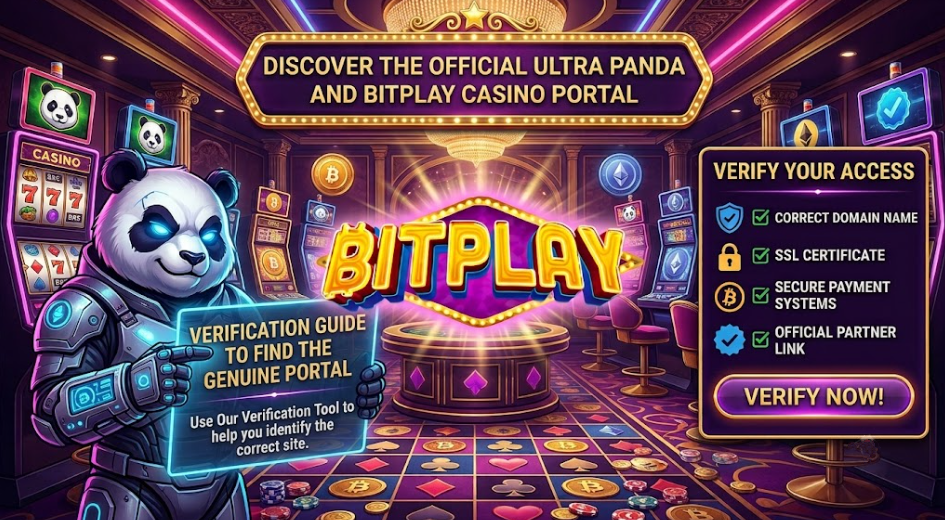
Type the platform’s name into a search bar and you don’t get one result, you get a small army of them. Domains that look almost identical. Download pages with mismatched logos. A Facebook group claiming to be the real deal. Anyone who’s ever gone hunting for a mod site or tried to figure out which key reseller wasn’t about to steal their card details already knows this feeling. It’s the exact same instinct, just aimed at a gaming platform instead of a game.
Why the Search Results Look Like This in the First Place
Part of why this happens is structural. There’s no single site where you register directly and start playing. Access gets provisioned through independent operators instead, each running their own signup and their own front door into the same underlying game lobby. That gap between the platform and the account you actually need is exactly the space lookalike pages move into.
What “Official Website” Actually Means Here, and What It Doesn’t
So when someone searches for the ultra panda official website, what they’re really hunting for isn’t one canonical site, it’s a legitimate entry point among several that all lead somewhere real. That phrase does a specific job in a search bar, but it doesn’t mean what it would mean for, say, a software company with one download page. Here, it points at a category where more than one operator can legitimately provide access, and treating any single result as automatically the only real one is the wrong instinct to bring into this search.
The One Check That Actually Matters
The check that actually matters isn’t whether a page looks polished. It’s where the link resolves. Hover before you click, or check the address bar after you land, and see whether the domain matches what you expected, not a close variant with an extra letter or a different top-level domain. A page asking for payment information before you’ve even confirmed which account you’re logging into is a stop sign, not a formality.
Who Actually Handles Your Account Once You’re In
Wherever your account questions actually need to go, that’s the operator, not the platform itself. BitPlay is one such operator, and support, credentials, and account setup all run through their own system rather than through some universal help desk for the platform as a whole. If a message claiming account trouble didn’t originate from a channel you actually initiated contact through, that’s worth treating with real suspicion rather than clicking through on faith.
The Unsolicited Download Is the Loudest Red Flag of All
Of every warning sign in this category, an unofficial APK showing up unprompted, in a DM, a comment section, or a random forum post, is the highest-risk one. A file you’re told to install outside of anything you went looking for yourself is functionally the same trap as a “free” mod download that turns out to bundle something you never asked for. The instinct to be suspicious of unrequested installs isn’t specific to gaming platforms. It’s just correct everywhere, and it applies with extra weight here.
This Is a Skill You Already Have, Just Pointed Somewhere New
None of this actually requires learning a new skill. It’s the same judgment already applied to sketchy key resellers, mod site mirrors, and wikis that may or may not be maintained by anyone reliable. Does the source match what you expected? Did you go to it, or did it come to you? Is anything being asked for before it’s actually been earned? Those three questions travel well across categories, and they work here exactly as they work anywhere else online.
Whether Any of This Applies Where You Live Is a Separate Question
None of the checks above tell you whether you’re actually allowed to use any of this from your specific address, and that’s worth being honest about. Sweepstakes-style gaming access gets decided state by state across the US, and there’s no blanket federal rule sitting underneath it. That state-by-state patchwork is really just one version of a broader pattern in how regional access restrictions get technically enforced across digital platforms generally, not something unique to this specific category.
FAQ
Does Ultra Panda have one official website?
No, not in the way that phrase usually implies. Access runs through independent operators rather than one canonical signup page, so more than one legitimate entry point can exist.
Why are there so many Ultra Panda sites?
Because the platform doesn’t handle registration directly. Operators provision access separately, and that gap is exactly where lookalike pages tend to appear.
How do you know if an access point is legitimate?
Check where the actual link resolves rather than trusting how the page looks, and be wary of anything requesting payment or credentials before you’ve confirmed you’re on the right domain.
Play Responsibly
Whatever access route someone ends up using, it’s worth remembering this is meant to be entertainment, not a financial strategy, and setting a spending limit before diving in beats trying to set one mid-session. This is intended for adults 21 and up in the United States, and since availability genuinely shifts by state, checking current local law is worth doing before assuming anything carries over from one place to another. If it stops feeling like a choice at any point, local responsible-gaming resources exist specifically for that reason.
Morgan Vance is an iGaming analyst with nearly a decade of experience covering online casinos and industry regulation. Known for breaking down complex betting systems into easy-to-understand insights, Morgan has reviewed over 500 casino platforms worldwide. His work often explores the intersection of blockchain technology and gambling, particularly the rise of crypto casinos and provably fair gaming.