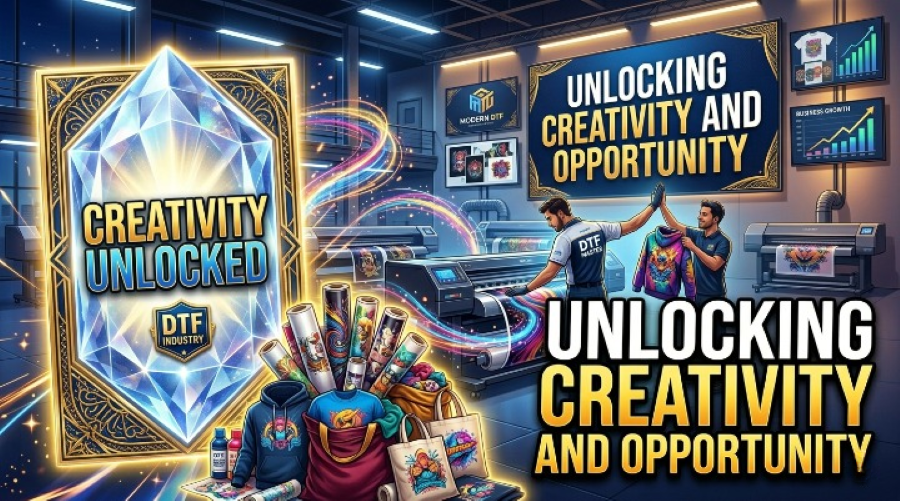
Innovation doesn’t always come from reinventing the wheel—it sometimes comes from making the wheel work for everyone. In the printing industry, Direct-to-Film (DTF) printing is exactly that kind of innovation. By bridging the gap between creativity, efficiency, and accessibility, DTF is transforming the way small businesses, artists, and entrepreneurs approach custom apparel and merchandise.
Why Small Businesses are Turning to DTF Printing
Running a small apparel business has never been easy. High setup costs, limited fabric options, and time-consuming processes often make it difficult for startups to compete. That’s where the Huedrift DTF printer changes the game:
- Low Barriers to Entry: Unlike traditional screen printing, DTF requires minimal setup for small runs, making it perfect for on-demand production.
- Cost-Effective Flexibility: Startups can experiment with different designs without committing to large inventories.
- Multiple Fabrics, One Technology: From cotton to polyester blends, DTF allows entrepreneurs to diversify products without investing in multiple machines.
For small business owners, this means more freedom to experiment, innovate, and scale without being limited by technology.

Empowering Creativity Like Never Before
DTF printing, exactly Huedrift Pro Max Machine, is not just about efficiency—it’s a canvas for creativity. Designers and artists now have access to a tool that brings their visions to life in full color and intricate detail, even on fabrics that were previously challenging to print on.
Consider the possibilities:
- Personalized Apparel: Monograms, custom illustrations, or limited-edition designs can be produced without worry about setup costs.
- Unique Merchandise Lines: Artists and brands can create small batch runs of exclusive merchandise for online shops or pop-up events.
- Rapid Iteration: Experimenting with new ideas is faster and cheaper, encouraging innovation and bold design choices.
In this sense, DTF is less a printing method and more a creative enabler—turning what was once a technical limitation into an opportunity for originality.
DTF Printing and the Rise of On-Demand Production
The modern consumer increasingly expects personalization. From custom t-shirts to one-of-a-kind tote bags, buyers want products that reflect individuality. DTF printing makes this possible at scale, fueling the growth of on-demand production models.
- Faster Turnaround Times: Businesses can print orders as they come, reducing waste and storage costs.
- Sustainable Approach: Less overproduction means fewer unsold items, aligning with environmentally conscious business practices.
- Consumer Engagement: Personalized products enhance customer experience and loyalty.
By aligning technology with the modern consumer’s expectations, DTF printing positions businesses to thrive in a market that values uniqueness and quality.
Breaking Industry Boundaries
Traditionally, high-quality printing required specialized knowledge, expensive machinery, or both. DTF printing democratizes access, allowing anyone with a creative vision to produce professional-quality results.
This accessibility is influencing the industry in several ways:
- New Entrants: Independent designers and small-scale brands can compete with established companies.
- Faster Innovation Cycles: Trends can be responded to immediately, with small-batch testing.
- Cross-Industry Applications: DTF isn’t limited to fashion; it can be applied to home décor, accessories, promotional items, and more.
The result is a more vibrant, diverse, and dynamic printing industry, where technology empowers people instead of restricting them.
Sustainability Challenges in Traditional Printing
Traditional printing methods—such as screen printing, sublimation, or even DTG (Direct-to-Garment)—often involve:
- Excess Water Use: Pretreatments and inks can consume significant water during preparation and cleaning.
- High Waste Rates: Screen printing setups and large-batch production often produce unsold inventory.
- Limited Fabric Compatibility: Some techniques require specific fabrics, leading to material waste when alternatives are unavailable.
- Energy-Intensive Processes: Heat presses and machinery running for long durations increase energy consumption.
While these methods have served the industry well, they have environmental drawbacks. This is where DTF printing presents a more sustainable alternative.
How DTF Printing Supports Eco-Friendly Production
DTF printing is designed for efficiency and minimal waste, making it inherently more environmentally responsible:
- On-Demand Production Reduces Waste: DTF allows small-batch and single-item production, meaning businesses only print what is ordered. Unsold products—a common issue in fashion—are virtually eliminated.
- No Excessive Pretreatment Chemicals: Unlike DTG, DTF often requires little to no fabric pretreatment, reducing chemical usage and water contamination.
- Energy Efficiency: The printing and heat transfer process can be completed quickly, cutting down energy consumption per unit.
- Durable Prints for Longer Life: High-quality DTF prints are wash-resistant and durable, extending the lifespan of garments and reducing replacement demand.
By addressing these key areas, DTF printing minimizes environmental impact while maintaining high-quality results.
Challenges and Opportunities Ahead
Like any emerging technology, DTF printing has its hurdles. From sourcing high-quality films and powders to mastering the nuances of heat transfer, operators need time and experience to optimize results. However, these challenges are relatively minor compared to the opportunities DTF offers.
For innovators willing to learn, DTF opens doors to:
- Niche markets and custom product lines.
- Small businesses scaling without traditional infrastructure costs.
- Artistic experimentation on unconventional fabrics and materials.
In many ways, the technology is as much about strategy and creativity as it is about mechanics.
DTF as a Catalyst for Change
DTF printing is more than a technological breakthrough—it’s a cultural shift in printing. By reducing barriers, enhancing creative potential, and enabling on-demand production, it empowers individuals and small businesses to compete in ways that were previously impossible.
For entrepreneurs, designers, and visionaries, DTF represents an exciting opportunity: a chance to explore creativity freely, respond quickly to market trends, and deliver high-quality products that resonate with today’s consumers.
The future of printing isn’t just faster or more durable—it’s smarter, more flexible, and infinitely more creative, thanks to DTF technology.

Andrea Bell is a blogger by choice. She loves to discover the world around her. She likes to share her discoveries, experiences and express herself through her blogs. You can find her on Twitter:@IM_AndreaBell