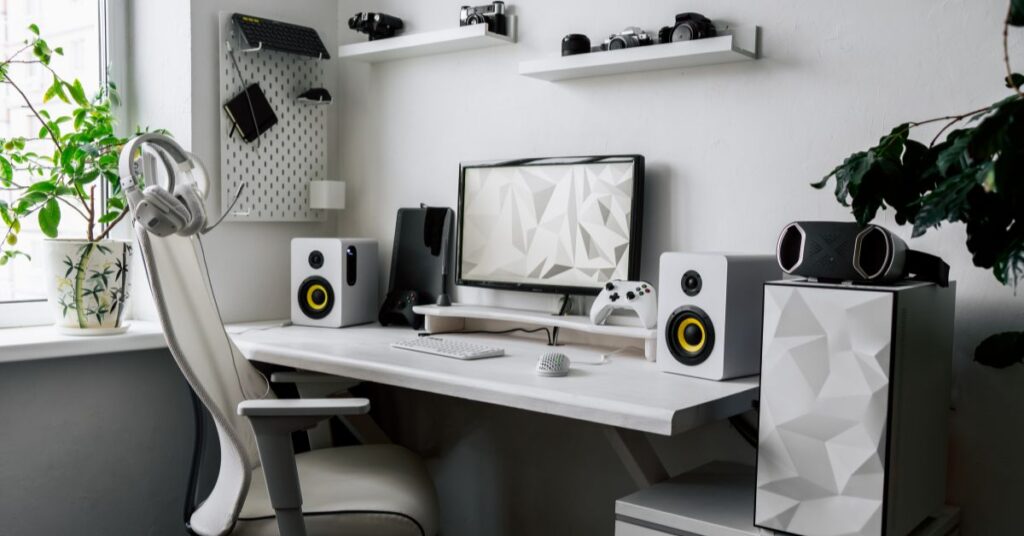
Long gaming weekends can feel exciting at the moment, but many people eventually notice how mentally and physically draining extended indoor screen time becomes after several consecutive days. Sitting for hours, irregular sleep schedules, limited movement, artificial lighting, and nonstop stimulation often create a very different kind of exhaustion than physical activity outdoors.
Because of this, many people start craving home features that help them mentally reset after spending entire weekends indoors gaming, streaming, or sitting in front of screens. Relaxation-focused spaces begin feeling far more valuable once people realize how strongly overstimulation affects mood, energy, sleep quality, and overall comfort.
This shift has gradually changed how many homeowners approach personal downtime at home. Instead of adding more stimulation to entertainment spaces, people increasingly look for environments that help them slow down, recover, and physically disconnect from constant digital engagement.
Heat and Quietness Often Feel More Restorative Than More Screens
One thing many people notice after extended gaming sessions is how difficult it becomes to mentally relax afterward. Even after turning the console or computer off, the mind often remains overstimulated from constant visual input, competition, notifications, and noise.
This is one reason quieter recovery spaces continue becoming more popular in modern home design. Homeowners exploring setups connected to premiumsaunas.com often begin focusing on comfort and relaxation because heat, silence, and reduced stimulation create a completely different environment from screen-heavy entertainment rooms.
The physical contrast itself becomes part of the appeal. Warmth, lower lighting, and calmer surroundings often help people mentally transition away from highly stimulating environments much more naturally than simply moving from one screen to another.
Many individuals end up using recovery-focused spaces far more consistently than expected once they become integrated into evening routines.
Physical Recovery Starts Feeling More Important Over Time
Gaming itself may not seem physically exhausting initially, but long periods of sitting, poor posture, limited movement, and irregular routines can quietly create tension, fatigue, and discomfort over time. Neck strain, stiffness, headaches, and disrupted sleep often become more noticeable after extended weekends spent indoors.
Because of this, many people begin appreciating home features that encourage physical recovery without requiring major effort or planning. Stretching spaces, quieter rooms, comfortable seating, improved lighting, and wellness-focused environments often become more appealing as screen-heavy habits increase.
This does not necessarily mean abandoning gaming or entertainment. Instead, many individuals gradually seek more balance between stimulation and recovery. The ability to step away from screens into calmer spaces usually becomes increasingly valuable once mental fatigue starts affecting everyday comfort.
Recovery tends to feel much more important after several days of nonstop digital engagement.
Softer Environments Help Interrupt Overstimulation
Entertainment rooms are often designed around brightness, energy, and constant engagement. Large screens, LED lighting, speakers, notifications, and fast-paced visuals create highly stimulating environments that can become emotionally exhausting after enough time indoors.
This explains why softer home environments often feel surprisingly comforting afterward. Lower lighting, quieter rooms, natural materials, warmer temperatures, and less digital noise can dramatically change how evenings feel after long gaming sessions.
People frequently underestimate how strongly environmental contrast affects emotional recovery. Stepping into a quieter and more physically calming space often helps interrupt mental overstimulation far more effectively than simply continuing passive screen time elsewhere in the house.
The slower the atmosphere becomes, the easier it usually feels for the nervous system to gradually settle.
Many People Start Protecting Their Evenings Differently
One interesting pattern with heavy indoor entertainment habits is that people often begin changing their evening routines naturally once mental exhaustion builds up. After spending entire weekends indoors gaming, many individuals no longer want nonstop stimulation every night afterward.
Instead, they begin protecting certain parts of the evening for quieter activities, slower routines, or environments that feel less mentally demanding. Reading, stretching, sitting outdoors, using wellness spaces, or simply spending time away from screens often starts feeling more appealing than additional hours of entertainment.
This shift reflects a broader desire for balance rather than complete lifestyle changes. People still enjoy gaming and entertainment, but many become more aware of how important recovery feels afterward.
The more overstimulating the environment becomes during the day, the more valuable calmer spaces usually feel by evening.
Comfort-Focused Features Often Get Used Most
One thing many homeowners eventually realize is that the home features they use most consistently are usually not the loudest or most technologically impressive ones. Instead, comfort-focused additions often become central parts of daily life because they support physical and emotional recovery more naturally.
Spaces designed around warmth, quietness, lower stimulation, and relaxation tend to remain valuable much longer because they continue fitting realistically into stressful schedules and everyday routines.
This is partly why wellness-focused home environments continue growing in popularity overall. Modern life already contains enormous amounts of digital stimulation, noise, and mental engagement. Home spaces that help reduce that pressure often feel far more restorative than adding additional layers of entertainment alone. (Better Homes & Gardens)
People generally appreciate home environments more when they support both enjoyment and recovery instead of constant stimulation all the time.
The Most Valuable Home Features Usually Support Balance
As gaming, streaming, and digital entertainment continue becoming larger parts of everyday life, many individuals are becoming more intentional about balancing stimulation with recovery. The goal is not necessarily spending less time enjoying entertainment, but creating healthier transitions between engagement and relaxation.
This explains why quieter wellness spaces, softer environments, and recovery-focused features increasingly feel important in modern homes. People often end up appreciating the spaces that help them slow down just as much as the spaces that keep them entertained.
Over time, the most meaningful home additions are usually the ones that make everyday life feel calmer, more comfortable, and easier to recover from after mentally exhausting weekends indoors.