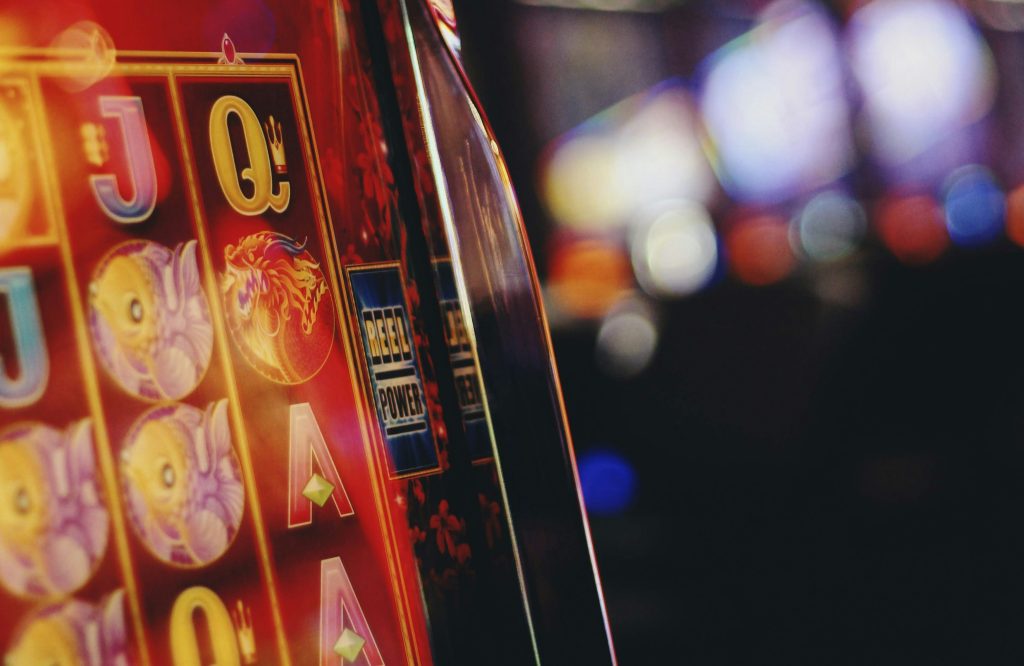
Pokies would be pretty dull if the reels simply stopped and posted a result. The little sounds, flashes and pauses give each spin its pace, point out what has happened and keep your attention on the right part of the screen. Much of the fun sits in those few seconds.
The role sound and animation play in pokies is quite incredible. Tap the spin button and plenty happens before the reels stop. The sound picks up, the symbols start moving and the game gives you a clear sense of what is happening as the result comes in. Without that rhythm, even a good pokie can fall flat. Sound design and reel animation keep the game entertaining, but they also help the player follow each spin and understand the result.
The Reels Have to Explain the Game
A pokie has only a few seconds to tell you that the spin has started, where to look and what happened once the reels stop. The moving symbols provide the obvious part, but the timing around them does most of the work. A quick response from the spin button confirms the tap, each reel stop breaks up the reveal and the final animation points out the result.
That job becomes harder when one lobby contains several types of games. The Casiny pokie games include classic reels alongside Megaways titles, cluster-pays games, hold-and-win mechanics and bonus-buy features. Each format needs its own way of presenting information because a three-reel game does not behave like a screen full of changing reel heights or connected symbol clusters.
Casiny also sorts its pokie library through provider filters, New Arrivals, Hot Right Now and Stevo’s Picks. Those tools help players move between very different styles of animation and sound without digging through the entire lobby. The result is a useful reminder that reel design is part of the product itself, rather than decoration added once the game is finished.
Motion Tells Your Eyes Where to Go
Good animation gives the eye a clear route through the spin. The reels start together, stop in sequence and then hand attention to whichever symbols produced the result. A feature symbol may pulse, a connected cluster may light up and a locked symbol may stay fixed while the remaining reels continue.
Page Laubheimer put the principle neatly in a 2020 article for Nielsen Norman Group: “Motion and animation can be helpful and communicative, if used with restraint”. Restraint is the important part because movement stops helping once every corner of the screen is demanding attention.
The same idea turns up in animation. Minions & Monsters uses physical comedy, exaggerated expressions and visual timing to carry scenes with very little dialogue. A pokie uses a much smaller canvas, but the basic job is similar. Movement shows you where the action is and when the sequence has finished.
Sound Gives Every Spin Its Beat
The first sound usually arrives as soon as the spin button registers. Reel noise then fills the short wait before the symbols settle, while separate stop cues divide the reveal into stages. Once the result lands, the audio changes again so the player can tell whether the spin has ended normally or moved into a feature.
Video games have taught us this language for years. A warning tone before a boss attack means danger without spelling it out, while a different sound confirms a critical hit before the damage number appears. Pokies use the same basic idea because repeated cues become easy to recognise.
Casiny runs through a mobile browser without requiring a native app, so those cues need to work through ordinary phone speakers. The game must also remain readable when the device is muted, which means the reel movement and symbol animation cannot depend on audio alone. Sound adds rhythm, but the visuals still have to carry the result by themselves.
Good Feedback Uses More Than One Sense
Apple’s Human Interface Guidelines recommend combining visual, auditory and haptic feedback when different cues help users recognise that an action has registered or an interface state has changed. That advice fits mobile pokies neatly because a finger may cover the spin control at the exact moment the player taps it.
A brief visual response can confirm the input, while sound adds another signal and a vibration can provide a physical cue on supported devices. Each channel backs up the others, which keeps the interface understandable when one of them is unavailable.
| Design Element | What It Communicates | What Happens Without It |
|---|---|---|
| Reel motion | The spin is active and progressing | The game may appear stuck |
| Stop sounds | Each reel has reached its position | The reveal loses its pace |
| Symbol animation | Which symbols produced the event | The result becomes harder to follow |
| Numerical display | The exact return | The player has to rely on spectacle |
| Haptic response | The tap registered | Touch controls can appear unresponsive |
The strongest designs do not use every effect at once. They use the right cue at the right point in the spin.
Mobile Reels Run on Tight Technical Budgets
Smooth browser animation commonly targets 60 frames per second, which gives the browser about 16.7 milliseconds to calculate and render each frame. That is not much time when the screen is also handling symbol movement, blur effects, counters, particles and responsive resizing.
Audio brings its own workload. A mobile game can contain hundreds of sound assets, yet the device still has to manage memory use, compression and battery drain. Phone calls or navigation prompts can interrupt playback, while small speakers flatten the difference between subtle effects and louder feature cues.
Cross-platform testing adds another layer. Statcounter’s June 2026 figures put New Zealand’s mobile operating-system split at 52.85% for iOS and 47.13% for Android. A browser-based lobby serving that market cannot be tuned for one dominant system and leave the other behind.
The browser setup on Casiny therefore depends on consistent performance across both ecosystems. Reel timing, sound playback and touch response all need to hold together whether the player is using an iPhone, an Android handset or a tablet.
Different Mechanics Need Different Sensory Languages
A single style of animation would make little sense across every pokie format because each mechanic asks the player to track something different.
- Classic three-reel games: Short reel movements and clear stop cues suit the simpler layout.
- Megaways games: Changing reel heights need animation that makes the new symbol count obvious.
- Hold-and-win games: Locked symbols need a distinct effect so the player can see what stays in place.
- Cluster-pays games: Connected symbols need highlighting that shows the whole cluster rather than a standard payline.
- Bonus-buy games: The jump into the feature needs a clear break from the base game.
- Drops & Wins events: Prize drops and tournament information add another layer around the reels.
Casiny’s Drops & Wins section brings those extra event elements into the same lobby as ordinary pokie play. Counters and prize notices have to sit around the reels without blocking the game underneath, so the visual hierarchy becomes even more important. The main spin still needs to remain easy to follow.
The Best Effects Know When to Stop
Sound and reel animation make each spin easier to follow, from the first tap to the final result. But its easy to overdo. Too much and the fun goes away and the experiences diminish. Good design knows when enough is enough.
The same applies to your own play: knowing when to stop matters. Gambling is for adults and should remain entertainment. Only bet what you can afford to lose.