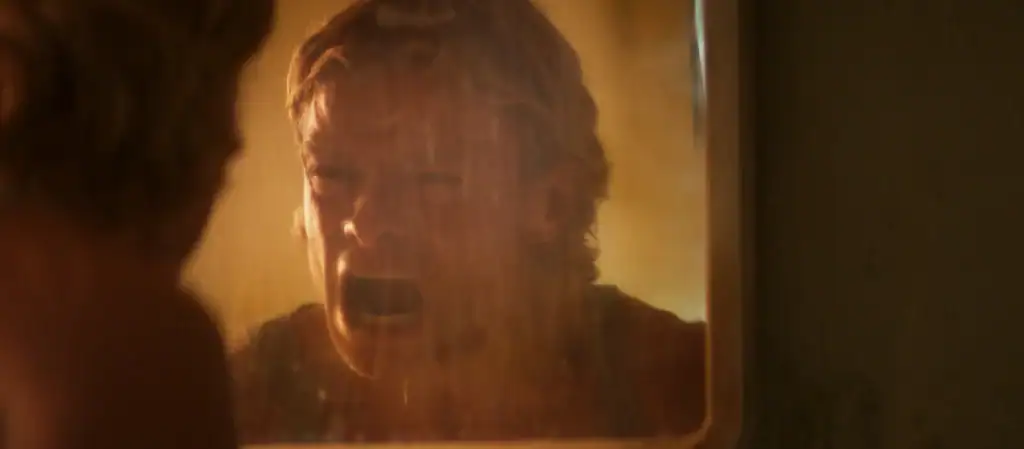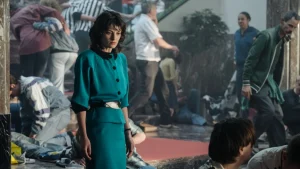
A plastic truck with no script, no star, and no built-in plot just landed a 126-minute action comedy on Apple TV with John Cena in the driver’s seat. That should sound absurd, and a decade ago it would have. Today it’s a business plan. Toy-based movies pulled in billions over the past fifteen years, and studios noticed that a recognizable name from the playroom cuts marketing costs before a single trailer drops.
I used to roll my eyes at every announced toy adaptation. Then I looked at the actual returns. Nostalgia isn’t a marketing gimmick anymore, it’s the load-bearing wall of the theatrical calendar. Here’s what’s driving it, where it can go wrong, and why October 2026 is worth circling on your calendar.
The toy aisle is now a development slate
Walk down any toy aisle and you’re basically reading a studio’s upcoming release list. Mattel, Hasbro, and a handful of others stopped treating film as a licensing afterthought and started acting like production houses. That shift changed everything about how these projects get greenlit.
The math is simple. A hit toy carries decades of brand recognition, which means lower spending on awareness and more room for spectacle. Barbie proved the ceiling is higher than anyone expected, and the industry has been chasing that result ever since.
What surprised me is how fast the pipeline filled. Transformers kept grinding out sequels. Lego built a franchise out of self-aware humor. Nerf, Hot Wheels, and a dozen other brands all got writers attached. Meanwhile, board games and action figures that sat dormant for years suddenly had producers circling them.
Nostalgia sells, but only when the story earns it
Here’s the part that gets lost in the announcement cycle: recognition gets people in the door, and nothing else. A familiar logo buys you one opening weekend. After that, word of mouth decides whether the thing has legs.
Look at what separated the winners from the misfires. The successes treated the source material as a starting point for an actual story, not a checklist of references. The failures assumed the audience would show up purely out of affection, then delivered a commercial for a toy line. Audiences are sharper than that now.
I’d argue the smartest adaptations borrow the feeling of the toy, not its literal form. Barbie worked because it built a whole worldview out of what the doll represents. A movie about a plastic car has to answer a harder question: what does a toy car mean to the person holding it?
Why Matchbox is a genuinely strange bet
Matchbox has no characters, no catchphrase, and no mythology. It’s a die-cast vehicle, full stop. That’s exactly why the project is interesting. You can’t coast on lore when there isn’t any.
What you do get is a built-in audience of people who grew up pushing little cars across kitchen floors, plus a brand with real generational reach. Mattel has owned it since 1997, and the name still carries weight, which you can see for yourself if you browse the current Mattel lineup and notice how much shelf space the line still commands.
According to the Matchbox: The Movie production details, Sam Hargrave directs from a script by David Coggeshall, with Apple Studios, Skydance, and Mattel Studios producing and a release date of October 9, 2026. That’s a real creative team, not a cash grab knocked together in six months.
Hargrave is the tell. He built his reputation on practical, grounded action, so the smart version of this movie leans into stunts and physical set pieces rather than weightless CGI. The premise reportedly follows a spy reconnecting with a childhood friend, which sounds like it’s mining exactly the right emotion: the toys you shared with someone when you were a kid.
The dated release strategy matters more than the casting
Streaming-first changes the equation. When a movie lands on a service rather than in theaters, the pressure shifts from opening weekend to retention, meaning the target isn’t a massive four-day haul, it’s keeping subscribers from canceling.
Studios have leaned on recognizable brands for that job for years, and the box office record shows how reliable the strategy has become. Movies tied to toys and games have historically performed well above average when you compare their budgets to their returns, which you can track through historical box office data on brand-driven releases.
My honest read: October is a smart slot. It’s far enough from summer blockbusters to breathe and close enough to the holiday season for a long tail. If the film performs, it’ll likely be because families and nostalgic adults watch it together, which is exactly the audience a streaming platform wants to hold onto.
What to watch for before October
If you’re tracking this one, skip the rumor cycle and watch for these signals instead:
- Practical stunt work in trailers. Hargrave’s strength is tangible action, and visible stunt choreography usually signals a director with real control.
- Tone in the first full trailer. A comedy that respects the premise ages well. A comedy that winks at how silly the premise is tends to collapse.
- Casting chemistry in clips. Cena, Jessica Biel, and Sam Richardson suggest an ensemble built around comedic timing, not just name recognition.
- How much mythologizing shows up. Too much invented lore is a warning sign for any toy adaptation.
I’d bet on the grounded version. Leaning into stunts with a real emotional hook gives you room to build a franchise without a rulebook.
Toy adaptations aren’t going away
The pipeline is already stacked with these projects, and it’ll stay that way as long as audiences keep showing up. That’s not a bad thing on its own. It becomes a problem when studios treat the toy as a substitute for the story.
So here’s the test, and I’ll be applying it in October alongside everyone else. Does a movie built on a die-cast car say something about why we hold onto childhood objects, or does it just remind you that you once owned one? Only one of those answers is worth 126 minutes.
Watch the trailer when it drops, form your own read, and let me know whether this one earns its spot at the grown-up table.
Matthew is a Sr. Content Writer working as a freelancer in Outreachmonks for the past 5 years. He has completed his education in Bachelor’s in Business Administration. With his articles he loves to impart information about the latest business trends and models.