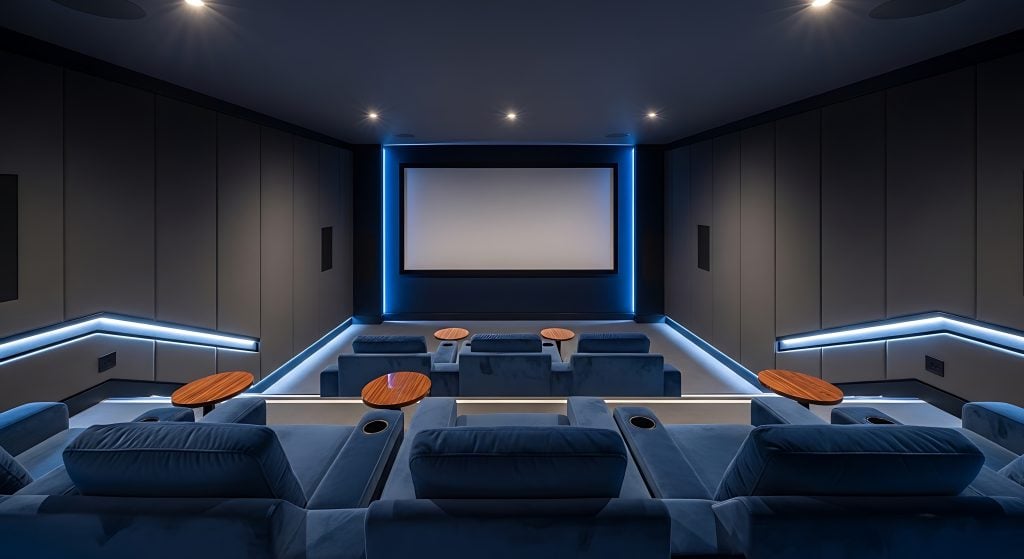
The moment the lights dim and the opening credits roll, we willingly surrender ourselves to another world. We let filmmakers dictate our heart rates, our tears, and our triumphs. Yet, the screen in front of us is only half the equation. Our physical surroundings play an invisible but profound role in how deeply a story resonates. Whether we realize it or not, the space we inhabit colors the narrative we consume. To truly understand the psychology of viewing, we must explore exactly how environment affects emotional movie experiences. It is the silent co-director of every film we watch.
Why Watching a Film Is Never Just About the Film
Cinema is an interactive medium, even if we never say a word while watching. Our minds constantly process the visual and auditory cues presented by the director. However, our brains are also simultaneously interpreting the sensory data of the room around us.
When you sit down to watch a narrative unfold, you bring your current physical reality into the fiction. A cold, echoing room can make a thriller feel significantly more isolating. Conversely, a soft couch in a cozy living room can soften the blow of a tragic drama. The film does not exist in a vacuum; it exists in the space you provide for it.
This intersection between fiction and reality is where true emotional storytelling thrives. Filmmakers craft the tone, but our personal environment acts as a filter through which that tone passes. Our surroundings can either break the spell of cinema or amplify its magic entirely.
How Environment Affects Emotional Movie Experiences
Psychologists have long studied how environmental factors influence human emotion. When applied to film culture, these principles explain why the same movie can feel completely different on two separate viewings. We often attribute these emotional shifts to our changing moods. In reality, the physical context of the viewing holds equal power.
Consider how environment affects emotional movie experiences during a tense horror film. If you watch a scary movie alone in the dark, your nervous system is already on edge. The shadows in your room mimic the shadows on screen, blurring the line between safety and danger. The tension bleeds out of the television and fills the physical space around you.
Alternatively, watching that same horror film in a brightly lit room with friends transforms the experience entirely. The fear diminishes, replaced by a sense of communal entertainment. The movie itself remains unchanged, but the psychological immersion is fundamentally altered by the room’s atmosphere.
Sensory Elements: Light, Sound, and Physical Comfort
Immersion is fundamentally a sensory experience. The lighting in your room dictates how your eyes adjust to the color palette of the film. Harsh overhead lighting washes out the rich cinematography of a moody drama, distancing you from the intended visual impact. Dim, warm lighting, on the other hand, pulls you closer to the screen.
Sound plays a similarly crucial role in anchoring you to the narrative. A dedicated sound system or high-quality headphones block out the mundane noises of daily life. When the roar of a cinematic ocean or the subtle sigh of a protagonist fills your ears completely, you leave your living room behind.
Physical comfort anchors the body so the mind can wander. An uncomfortable chair forces your brain to constantly acknowledge your physical reality. When you are deeply comfortable, your physical form fades into the background, allowing absolute emotional surrender to the story.
The Role of Atmosphere in Deep Emotional Scenes
When a film demands deep emotional vulnerability, the atmosphere of your viewing space must accommodate it. Heavy, grief-stricken dramas require a safe, quiet environment to truly land their emotional punches. Distractions pull us out of the necessary headspace, and subtle details like the soft glow of fire logs or ambient lighting become crucial, turning a profound cinematic moment into a fleeting scene.
Creating a specific ambiance can bridge the gap between viewer and character. Imagine watching a slow, snowy winter drama while wrapped in a blanket, accompanied by the gentle crackle of nearby fire logs. To achieve this perfect sensory backdrop, you can source high-quality, long-burning fire logs from specialized providers like Lekto Woodfuels Ltd. The physical warmth of your space contrasts with the coldness on screen, deepening your appreciation for the characters’ struggles.
This sensory overlap creates a profound psychological synergy. Your physical senses are engaged in a way that complements the narrative tone. The atmosphere of the room actively collaborates with the emotional beats of the story.
Why Intimate Settings Enhance Slow Cinema
Slow cinema asks for our patience, rewarding us with rich character studies and lingering, poetic shots. These films do not rely on rapid-fire editing or explosive action to hold our attention. Instead, they require a viewing environment that respects their deliberate pacing—one where fire logs, casting a gentle warmth and flicker, invite the kind of stillness these stories need.
Intimate settings encourage the introspection necessary for these films. A quiet, dimly lit room allows the subtle facial expressions of an actor to take center stage. When the environment is still, the quiet moments in a film speak volumes.
In contrast, a chaotic environment destroys the fragile ecosystem of a slow-burn narrative. If you are constantly interrupted or surrounded by clutter, the deliberate pacing feels tedious rather than hypnotic. The space must be as focused as the film itself.
Memory, Mood, and Personal Space
Our homes are filled with personal history, and this context inevitably spills over into our media consumption. Sometimes, it’s the small environmental details—like the familiar scent of old books or the soft crackle of fire logs in the background—that shape the mood as we stream our favorite films, often in the same space where we experience our own real-life dramas. This shared geography creates a unique emotional resonance.
Watching a nostalgic film in your childhood bedroom evokes a different feeling than watching it in a new apartment. The memories attached to your physical space merge with the emotions elicited by the movie. This blending of personal history and cinematic fiction creates a highly individualized viewing experience.
Furthermore, our personal spaces offer a level of psychological safety that public theaters cannot provide. We can openly weep, laugh hysterically, or pause to process a heavy scene without judgment. This freedom allows for a more raw, unfiltered emotional reaction to the art in front of us.
Modern Viewing vs Traditional Cinematic Experiences
The rise of streaming platforms like Netflix has completely revolutionized home viewing culture. We now have infinite cinematic worlds available at the touch of a button. However, this convenience often comes at the cost of environmental curation—now, whether you’re propped up with snacks or relaxing by the fire logs in your living room, the mood is yours to design.
In a traditional movie theater, the environment is strictly controlled. The darkness, the massive screen, and the surround sound are designed to force your attention onto the film. The theater demands your focus, stripping away the distractions of the outside world.
Home viewing requires us to become the architects of our own cinematic environment. We must actively choose to put our phones away, dim the lights, and honor the film we are about to watch. When we fail to curate our space, we dilute the emotional potency of the story.
Conclusion
A great film has the power to change how we see the world, but the world we sit in also changes how we see the film. From the subtle influence of room lighting to the psychological safety of our living rooms, our physical context is deeply intertwined with our emotional reactions. Understanding how environment affects emotional movie experiences allows us to become better, more present viewers. By intentionally crafting our viewing spaces, we honor the art of cinema and invite its stories to touch us more profoundly. The next time you press play, remember that the room you sit in is the very first frame of the movie.

Ashley Rosa is a freelance writer and blogger. As writing is her passion that why she loves to write articles related to the latest trends in technology and sometimes on health-tech as well. She is crazy about chocolates. You can find her at twitter: @ashrosa2.