To describe Blaise, it is better to watch Blaise. That might seem oxymoronic, but this is a film where the visuals are both unique and jarring. Undoubtedly, there is a story in this unique spin on rebellion and individuality. The animation is vexing. While commendable for its original style, it becomes distracting. Still, there is humor in a story about a family suffering a collective midlife and early life crisis. It is an anecdotal story that together forms an amusing mosaic. This is a story about love, both wanting and receiving. The pieces do not connect, but it is nonetheless an engaging portrait of a dysfunctional family.
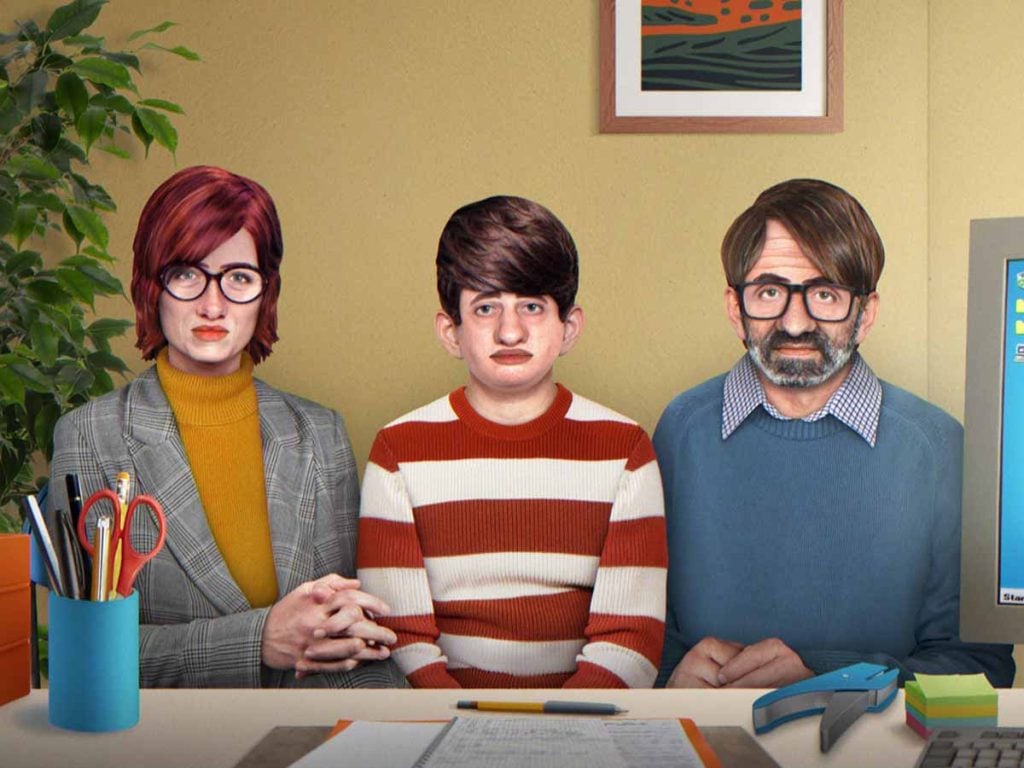
The Sauvage family is going through some things. Mother, Carole (Léa Drucker), strives to improve her less-than-stellar reputation among her employees, leading to an in-office romance. The father, Jacques (Jacques Gamblin), is enduring the pangs of his own midlife crisis. At the center of the dysfunction is the family’s only child, Blaise (Timéo). He is shy, passive, and wet behind his ears. In this family, appearances and status are as important as health and wealth. For Blaise, looking for his purpose and willing to please, sets out on a crusade to impress a girl who sparks revolutionary effects. Ultimately, this is a family wanting love.
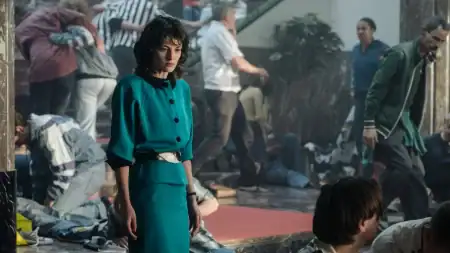
In this story, the focus is on how accidents can arise from the most mundane or unexpected circumstances. Take the instance of Blaise. He is adrift, and, thanks to his otherwise engaged and, at times, even neglectful parents, he finds himself swept up in a political protest all to impress a girl, Josephine (Nina Blanc-Francard). He struggles to make friends, and after attending a political party, revolution sparks in his heart and mind. Now, is he merely acting out, or is he a budding revolutionary? The film points to evidence that he is simply the product of a dysfunctional family that wants love but doesn’t know how to give it. The ultimate answer is ours to mull over.
The film takes a satirical bent to the idea of conformity, and how voices can be drowned out or even overshadowed, especially those of kids, in bustling families. One could see Blaise’s revolt as a form of rebellion, a rebellion he may be unaware he is engaging in. The story gives little exposition, but enough to glean that this family has been broken from the start, and that the wrong lessons have been taught and passed down to Blaise.
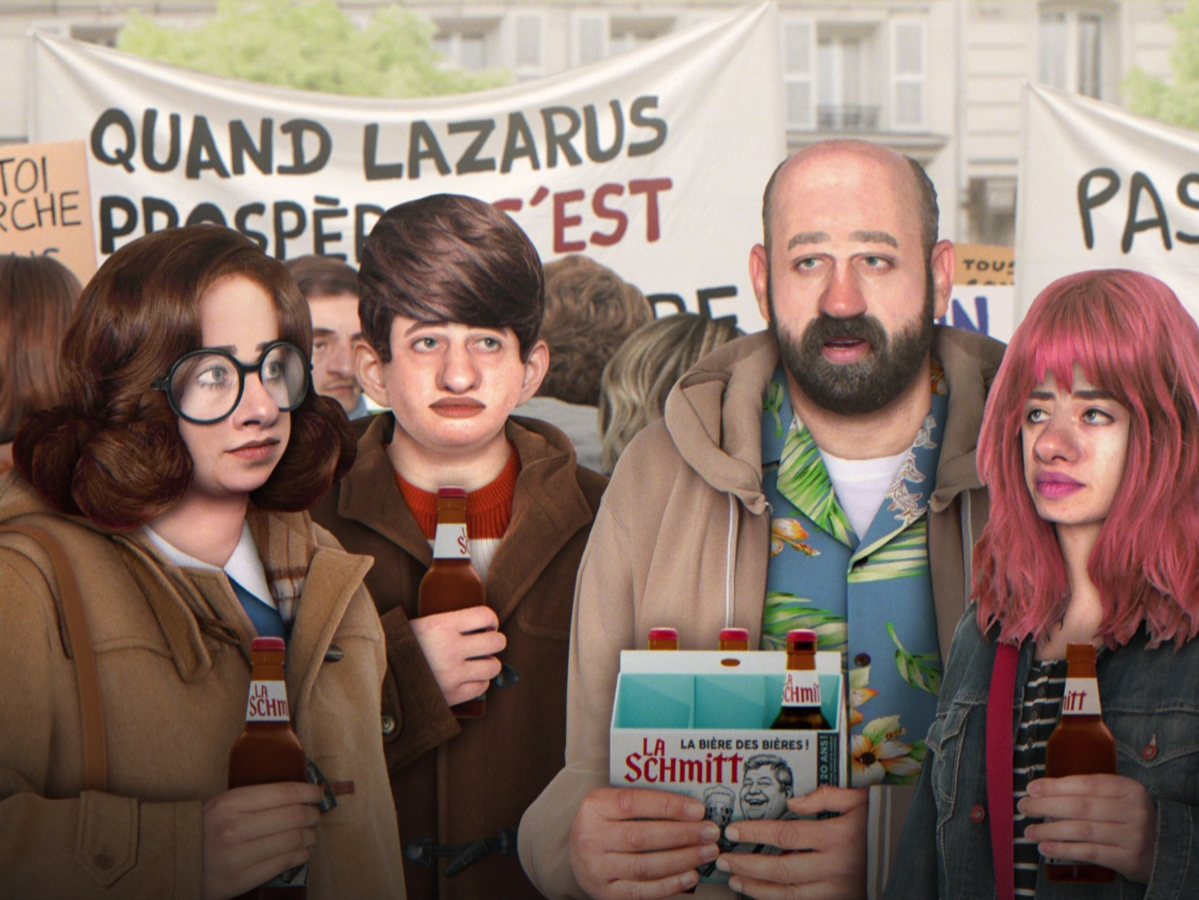
Take, Jacques, a man who seems to be regressing in life. He lives in a state of paralysis, fearing that no one respects him. Stretch that further to Carole, who begins a workplace romance out of her own insecurities about people disliking her at work. It is difficult to root for, much less care for, these characters, but they are wholly unique. In many ways, the parents stand as a monument to their failures in raising Blaise until this point in the story. In seeing his parents as sniveling cowards, begging for scraps of attention, he has no choice but to lash out and rebel in a dramatic and seemingly destructive way. Were it not for the family’s allergy to love, they might very well be well-rounded and functional. Alas, they are types who don’t see the train until it’s right in their crosshairs.
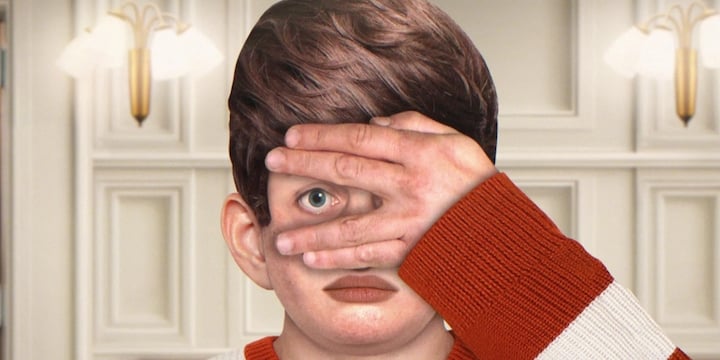
Blaise is a film that attempts to poke fun at what would be otherwise serious themes in a drama. Were this film in live action, it would be difficult to imagine the story operating in such a cavalier manner. That is, in some ways, the film’s strength. By choosing animation, the satire is much more palatable. Now, that said, the design choices are not your conventional animation style. Don’t go in expecting Pixar or Dreamworks.
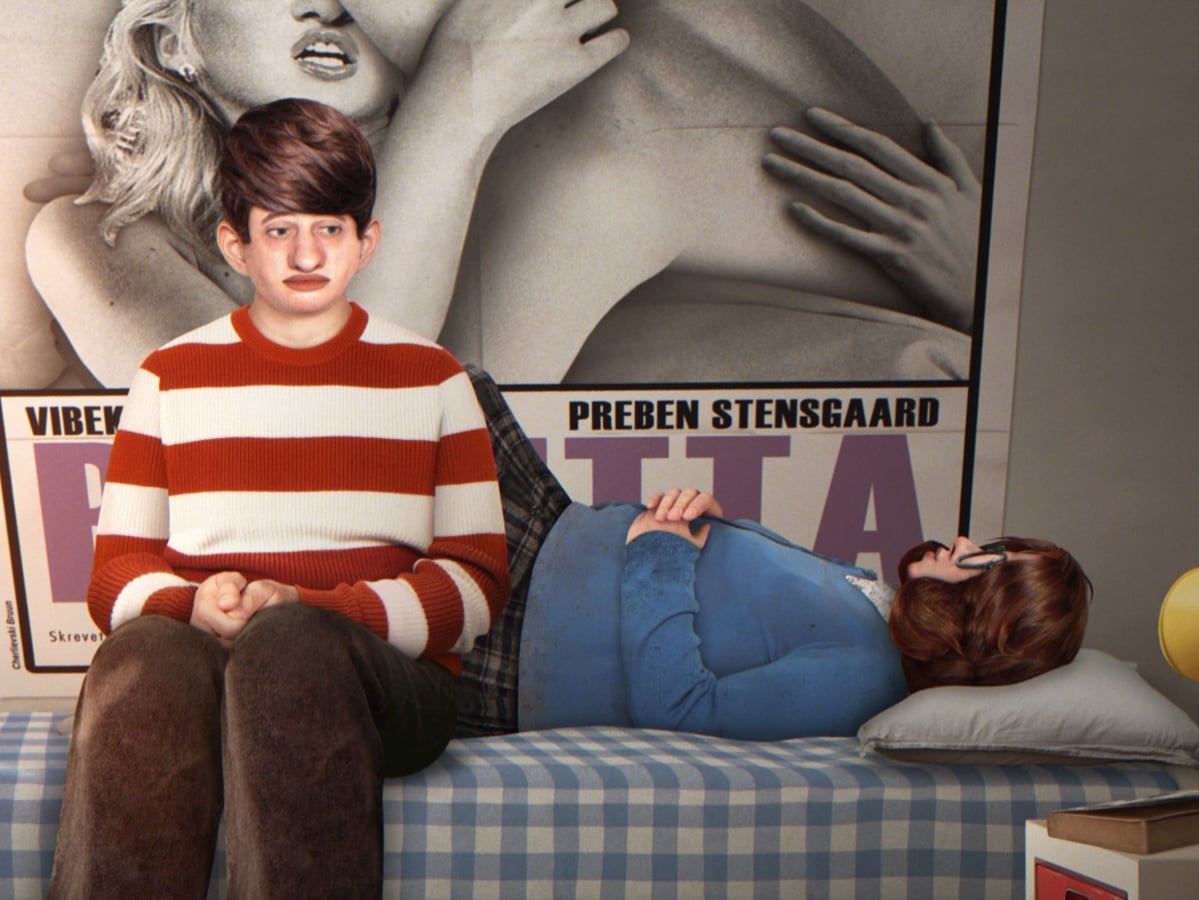
In fact, the animation style, while clever, makes the film visually difficult to enjoy. The blocky formation and 3D rendering give the feeling of watching a computer simulation or a pre-visual sketch, rather than a finished film. The ultimate designs are not dead-eyed stares or (shudders) uncanny valley, but it is still a circle that we cannot fully square.
Ultimately, Blaise deserves it for its clever experimentation with the animation medium. In addition, its cheeky take on a dysfunctional family is worth a few yucks, and at its core, it attempts to drive home a few points. Yet, this will be one that some will relish and enjoy from the start, or will find compelling on a thematic level, but visually frustrating.
Blaise held its World Premiere in the ACID section of the 2026 Cannes Film Festival.
Directors: Dimitri Planchon, Jean-Paul Guigue
Screenwriter: Dimitri Planchon
Rated: NR
Runtime: 82m
Before we let you go, we have officially launched our merch store! Check out all of our amazing apparel when you click here and type in GVN15 at checkout for a 15% discount!
For major deals and money off on Amazon, make sure to use our affiliate link! If you are purchasing any of the latest and best in physical media at MovieZyng, you can support us using our affiliate link.
Blaise deserves it for its clever experimentation with the animation medium. In addition, its cheeky take on a dysfunctional family is worth a few yucks, and at its core, it attempts to drive home a few points. Yet, this will be one that some will relish and enjoy from the start, or will find compelling on a thematic level, but visually frustrating.

Writing & podcasting, for the love of movies.
His Letterboxd Favorites: The Dark Knight, Halloween, Jaws & The Odyssey.