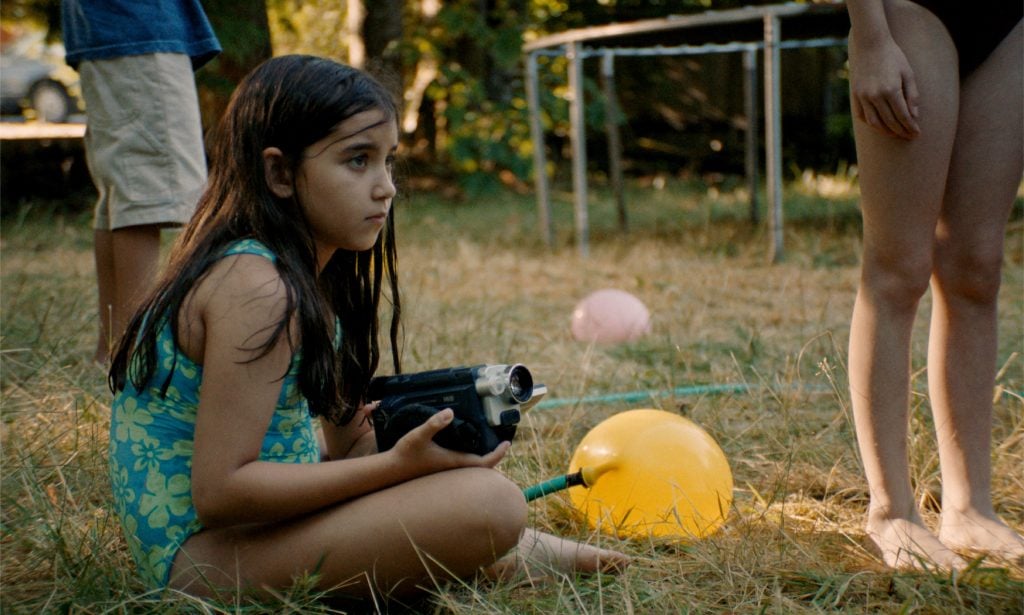
Cinema is magic.
It allows us to bear witness to any number of events, be they traumatic, joyful, or fantastical. It also has the advantage of being from a distinct point of view. Because of this, we sometimes have an expectation of clarity and a streamlined message. But cinema is never just one thing. It can also be a tool to process difficult emotions, like shared grief or regret. Within this style of storytelling, simple, straightforward messaging has no place in reflecting the all-too-real experiences of looking back and wondering what occurred and if anything could have changed it. Often, we want the magic of cinema to solve these problems, to give us the answer we either need or want to hear. But there is an inherent dishonesty in this wish. Instead, when taking a look at our own lives and those around us, it can hold up the cracked mirror of memories to elucidate our own struggles, showing us just how life, memory, and meaning elude us.
In Blue Heron, director and writer Sophy Romvari explores her own familial past, and also manages to analyze the very ideas of family and memory without ever tipping her hand. She is never obvious in her machinations, and while that may frustrate some, she provides an incredible reward at journey’s end. This is a movie that subtly gets under your skin, long before you realize it. And when the emotional hammer falls, it takes many minutes to solidify the reasons behind its impact. As the ending washes over you, it will challenge you in the best possible ways.
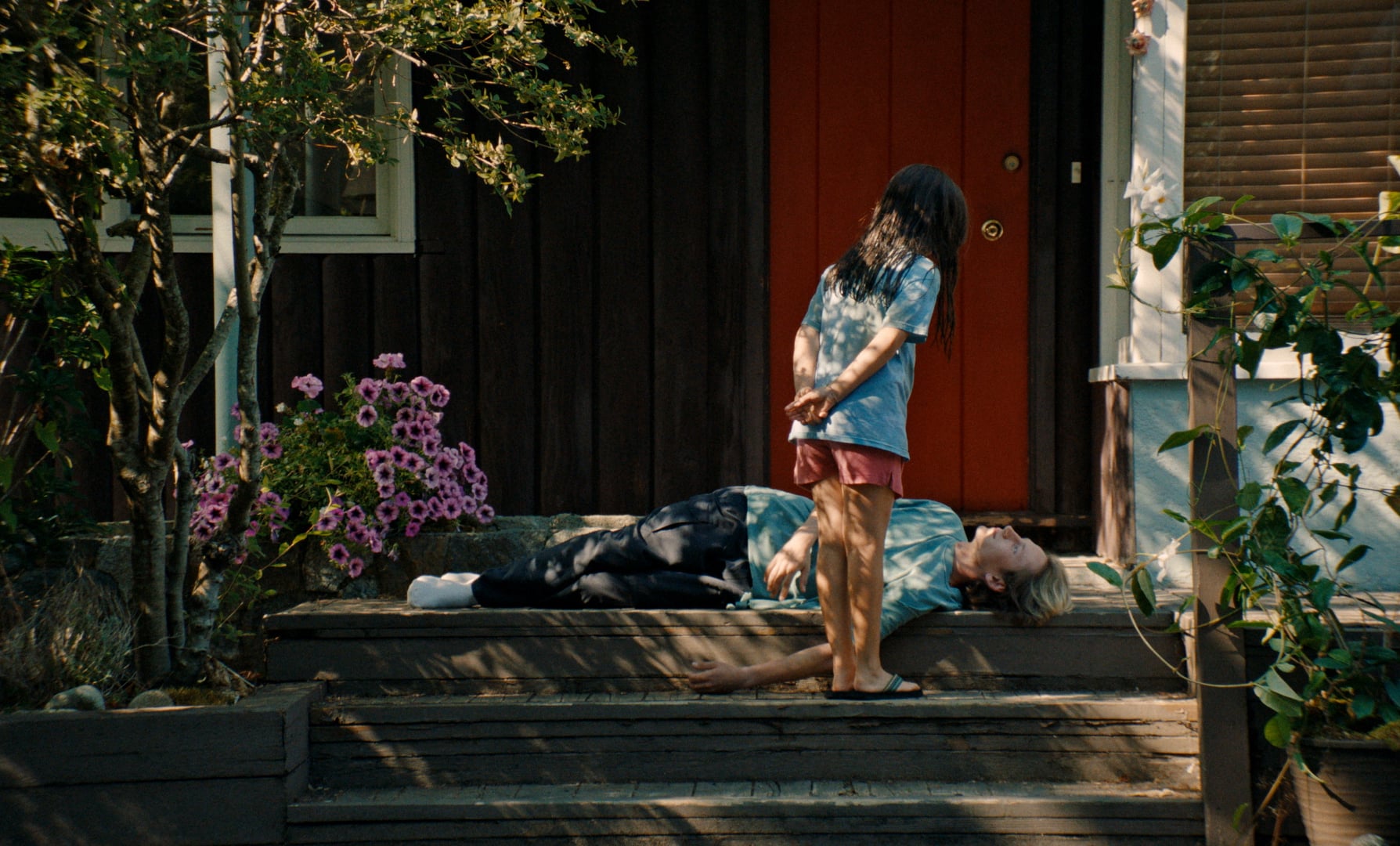
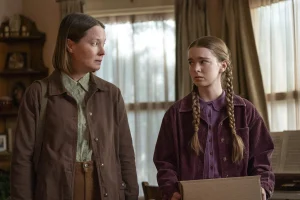
The film follows a Hungarian family of six as they move into their new home on Vancouver Island. Most of what follows is through the eyes of one of the children, Sasha (Eylul Guven). Guven gives a stunning performance, which is quiet and gentle, and captures the exact experience of the child in a family with a sibling who is struggling. Her older brother, Jeremy (Edik Beddoes), has obvious behavioral issues, but Romvari makes the incredibly astute decision to look at this from Sasha’s shy perspective. This removes some inherent drama, but also allows us, as the audience, along with the family, to try and fail to solve the puzzle of Jeremy.
Throughout, he remains distant and noncommunicative, frustrating his mother (Iringó Réti) and father (Ádám Tompa) and leading them to their own misunderstandings. The fact that this is a family of immigrants plays an important, if subtle, role in these familial struggles. As they attempt to navigate both the world and Jeremy’s issues, they run into many concurrent issues: the parents fight, the siblings grow more concerned, and they struggle with accessing and understanding mental healthcare. Through no fault of their own, the system fails the family. There are professionals involved, but because they don’t have a true understanding of the family system, a diagnosis becomes nothing more than a placeholder, a name for their pain without any hope of a solution. But despite this, the family’s world does not stop. Romvari avoids a mistake that many filmmakers make, diving headfirst into the drama of the problematic child. Instead, she seems much more interested in what it feels like to witness this from the inside of the family unit.
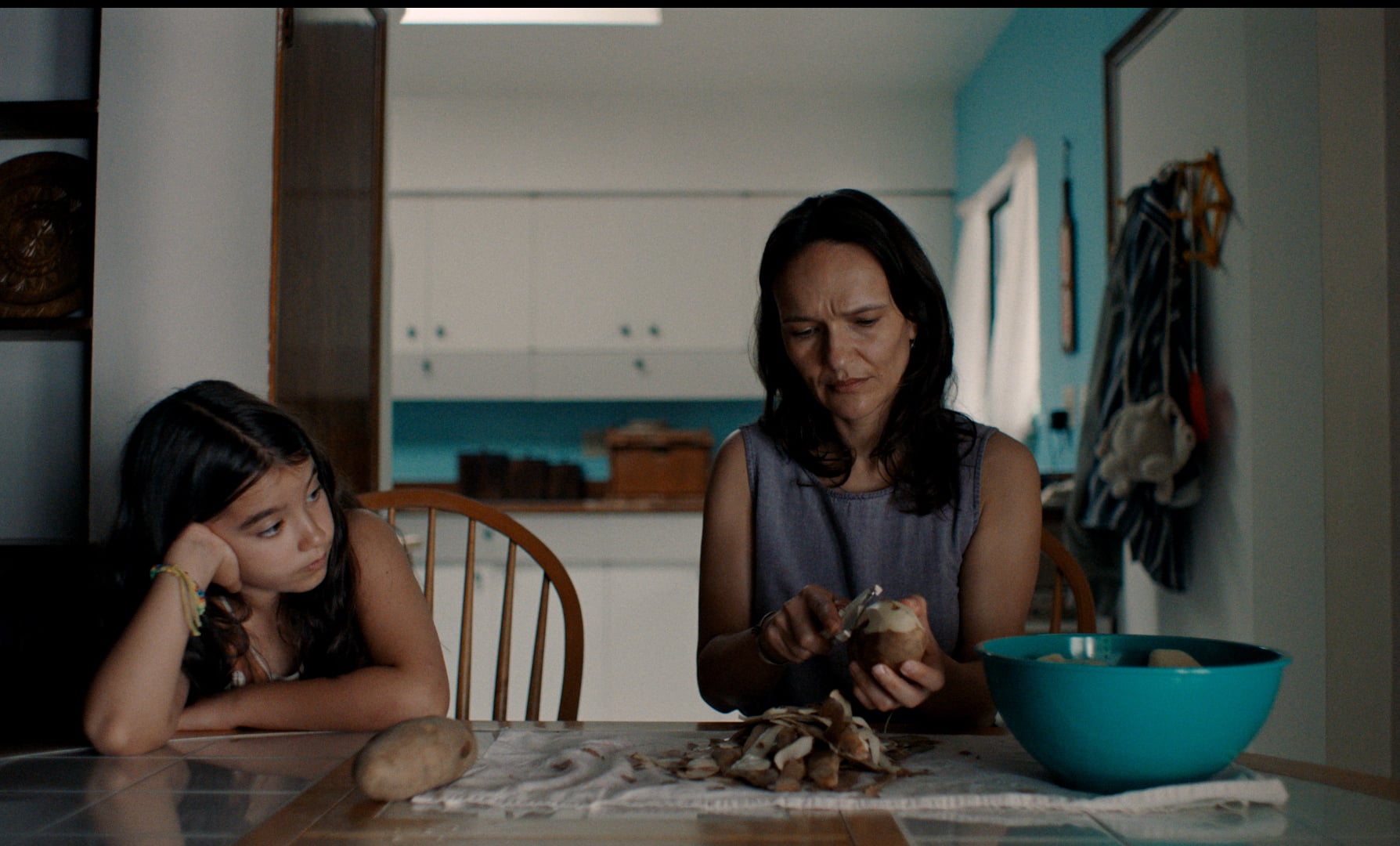
In the opening narration, adult Sasha (Amy Zimmer) details some of what she remembers of her brother, fighting her own memory to paint a clear picture of Jeremy. As she details his love of maps, we see these superimposed over the views of their neighborhood. This small visual moment, showing a sense of direction within a character who continues to act out in ways that lead to misdirection and trauma, is a beautiful detail. At the same time, Sasha is still, as an adult, looking for a way in, and if only she had a map to follow. The struggle can be heard in her voice, and looking back, this makes her character even more relatable. Those of us with negative feelings and memories about a family member know exactly what it is to wrestle with the conflicted emotions of blood versus our own painful or confusing experiences. Romvari has crafted a near-perfect screenplay that mixes an analog kind of time travel, family drama, and an exploration of flawed memories that is a gift to behold. In addition, the cinematography from Maya Bankovic manages to provide beautiful vistas that feel both awe-inspiring and emotionally distant, a combination that allows for child-like excitement and adult concern, all within single shots.
The first portions of this film feel as if they are telling one story, but Romvari is expertly laying the groundwork for the reveal that moves Blue Heron from good to excellent. As the point of view moves from child to adult, everything shifts. We come to understand, at some level, what impact these struggles have had, even without filling in every blank. In a scene in which Sasha, through her own thoughts, details to her parents what happens next, the magic coalesces. Zimmer manages to take every bit of emotion experienced, both hidden and expressed, in her family’s history and channel it through a few lines of strained, powerful dialogue that manages to be resonant, difficult, and necessary. No matter what we do, there is no changing the past. No matter how much we dig and delve, we may never fully understand the people in our lives, besides our own lived experience.
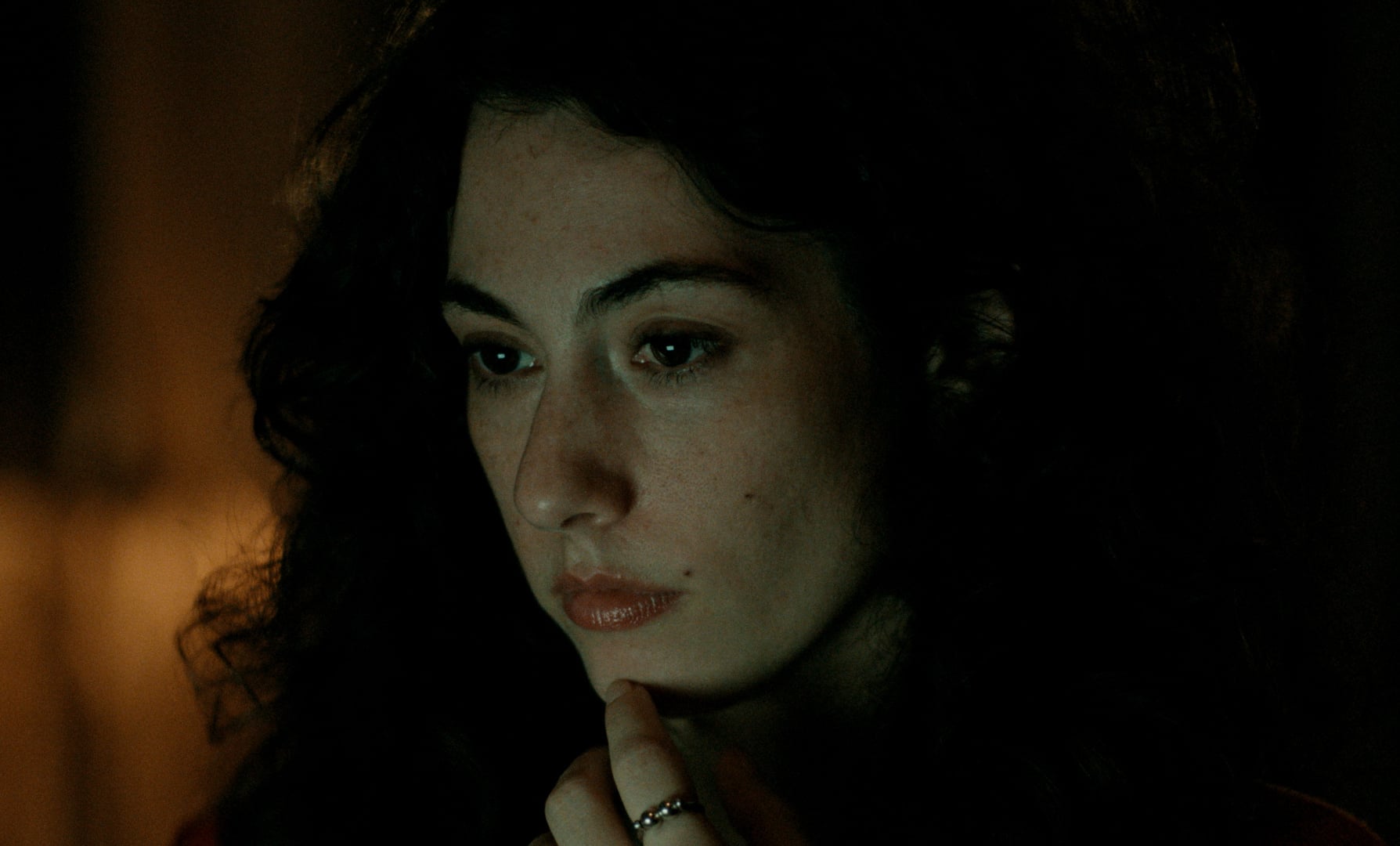
There are many points in Blue Heron at which the film could end in a satisfactory way. But Romvari, along with her protagonist, Sasha, never seems satisfied. As she pushes further than most filmmakers would, there are numerous conclusions that are drawn, but never a moment when everything is clear. Indeed, despite our best attempts, our own truth is clouded. Even when we examine others’ experiences, we cannot fully grasp the entirety of the other person.
All we have is our own perspective and experience of those moments, and we must find a way to move forward, even when we know that no answer will ever be enough. We process the best that we can and try desperately to find a way in, and that journey is worth it, even if we never succeed. Blue Heron is an absolutely breathtaking film that challenges everything that we think we know—about family, about ourselves, even about the magic of cinema.
Blue Heron is currently playing in select theaters courtesy of Janus Films.
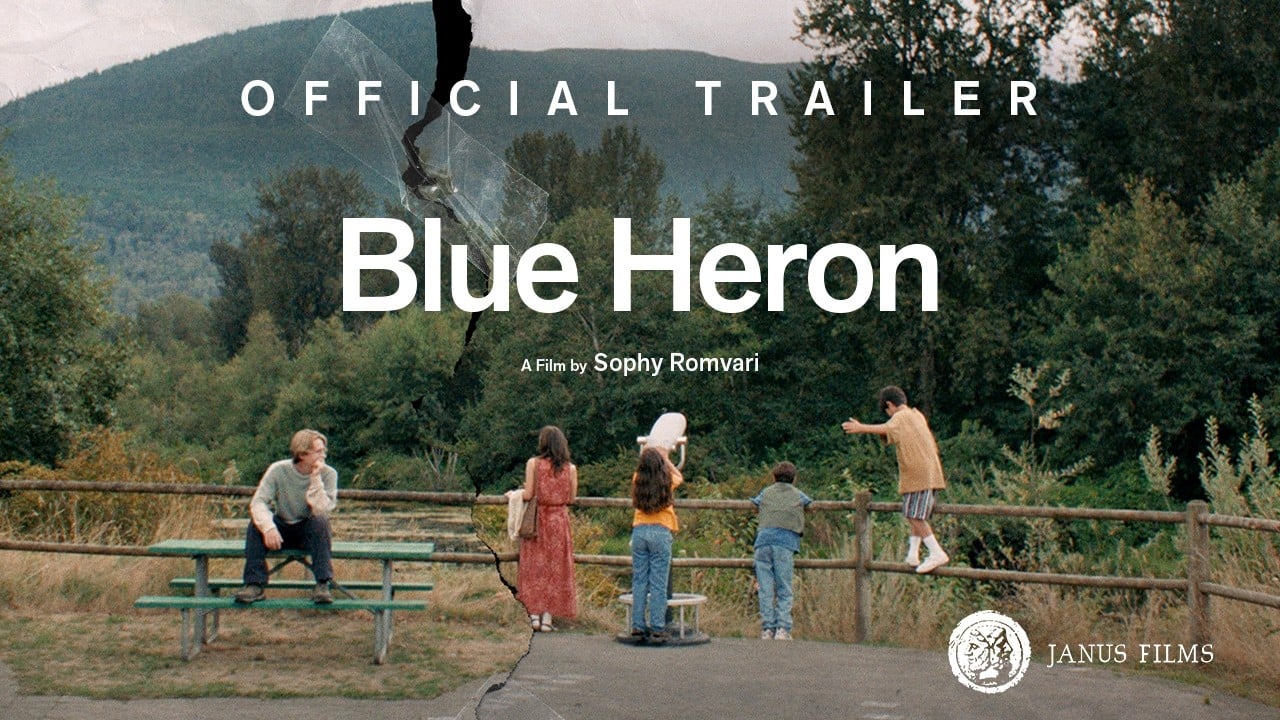
Blue Heron is an absolutely breathtaking film that challenges everything that we think we know—about family, about ourselves, even about the magic of cinema.

Dave is a lifelong film fan who really got his start in the independent film heyday of the 90’s. Since then, he has tried to branch out into arthouse, international, and avant garde film. Despite that, he still enjoys a good romcom or action movie. His goal is to always expand his horizons, through writing and watching new movies.